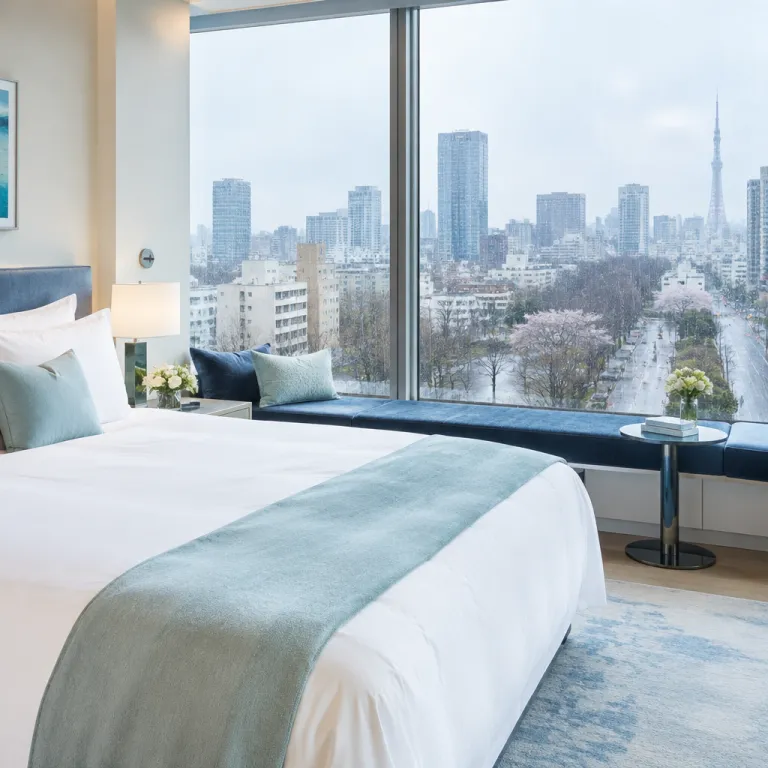
Japan’s weather in March and how it shapes luxury city breaks
Japan’s weather in March marks the shift from winter chill to gentle spring. Across the country, temperatures rise steadily through the month, yet conditions remain changeable enough to influence every luxury hotel choice. For high end travelers, understanding how early spring temperatures affect each day helps match refined urban retreats with the right wardrobe and activities.
In Tokyo, climate normals from the Japan Meteorological Agency (JMA, 1991–2020) show average highs around 14 °C and lows near 5 °C. These figures mean that during March stays you may enjoy mild afternoons, while evenings still call for cashmere layers and tailored coats. Such early spring patterns make sky bar terraces, private onsen style baths, and rooms with panoramic city views especially appealing on clear nights.
Early March can still feel close to late winter, particularly in northern cities where snow sometimes lingers. By late March and into early April, central regions often see cherry blossoms, and luxury hotels respond with seasonal menus and sakura themed afternoon teas. Because the month brings around 110 to 120 millimetres of rainfall in Tokyo, with several wet days, premium properties with generous lounges and in house art collections become valuable sanctuaries when the weather turns rainy.
Sunshine hours gradually increase through the month, giving more daylight for exploring galleries, Michelin starred restaurants, and serene gardens. These longer hours of light also enhance views from high floor suites, where guests can watch the city shift from soft spring sun to glittering nightscapes. When planning a March itinerary, consider both the likely rainfall and the growing daylight to balance outdoor excursions with indulgent indoor experiences.
Compared with the colder month of February, the transition into March feels noticeably softer, especially in central Japan. Yet the overlap between late February and early March can still bring brisk winds, so a scarf and light down jacket remain wise companions for luxury travelers. As you look ahead to April and June, remember that the March climate offers a rare blend of crisp air, emerging blossoms, and quieter hotel lobbies before the peak spring rush.
Regional contrasts in March weather and choosing the right urban retreat
Regional contrasts in Japan’s weather in March are striking, and they matter when you select a luxury hotel. Northern hubs such as Sapporo remain cold, with mean temperatures just above 1 °C, while southern cities like Naha in Okinawa enjoy averages close to 19 °C (JMA 1991–2020 normals). These different conditions shape everything from room preferences to spa usage, so aligning your destination with your comfort level is essential.
In Sapporo, March stays still feel wintry, and guests often prioritise suites with deep soaking baths, warm lighting, and direct access to heated indoor pools. Rainfall is less of a concern here than lingering snow, yet wet days can still appear, making in house dining and curated whisky tastings especially attractive. By contrast, in Okinawa the month brings milder air, more sunshine, and a softer sea breeze, so luxury travelers may favour ocean facing rooms and rooftop lounges that celebrate the gentler temperatures.
Tokyo and Kyoto sit between these extremes, offering balanced early spring weather that suits urban explorers. With moderate rainfall and a mix of clear and cloudy days, travelers can comfortably move between temples, galleries, and high end shopping districts before retreating to serene hotel spas. When you compare March and April with later June and July, you will notice that humidity remains lower in early spring, which makes city walking and garden visits far more pleasant.
For guests drawn to refined culture, Kanazawa has become a popular choice for spring city breaks. Its climate in March is cool and occasionally rainy, which pairs beautifully with stays in refined urban retreats near gardens and chaya districts. Here, the interplay between soft daylight, traditional architecture, and carefully controlled indoor temperature creates a cocoon like atmosphere after each day of exploration.
Across Japan, the sequence from January to February and then into March brings a gradual easing of cold, but not everywhere warms at the same pace. Southern regions, including Okinawa, feel closer to late spring, while northern cities still echo the chill of November and December. When planning, consider whether you prefer the crisp clarity of early spring air or the milder, almost April to June feel of the far south, then choose your luxury hotel accordingly.
Designing your March packing list for luxury hotel comfort
Thoughtful packing for Japan’s weather in March can elevate a premium hotel stay from comfortable to effortless. Because temperatures can swing between cool mornings and mild afternoons, layering is the most reliable strategy. A capsule wardrobe built around light knitwear, a tailored trench, and polished footwear will suit both city streets and elegant hotel lounges.
In Tokyo, where average highs reach the mid teens Celsius, a fine merino sweater over a shirt works for daytime, while a compact down jacket or wool coat keeps you warm during evening rooftop cocktails. Guests heading to cooler northern cities should add thermal layers, as March nights there can still feel close to mid winter. For Okinawa, lighter fabrics and a breathable jacket are enough, since the local climate profile is closer to late spring than to winter.
Rainfall patterns also influence what you place in your suitcase. With several rainy days expected in many cities, a compact umbrella and water resistant shoes are invaluable, especially when moving between station, hotel lobby, and dinner reservations. Luxury hotels often provide umbrellas, yet having your own ensures you remain prepared during longer day trips away from the property.
Because sunshine hours increase through the month, sunglasses and light sunscreen deserve a place beside your formal wear. Even on cooler days, ultraviolet levels can be noticeable, particularly in open spaces such as riverside promenades or castle parks. When you return to your suite, the contrast between crisp outdoor air and perfectly calibrated indoor climate underscores the value of high quality ventilation and heating systems in premium hotels.
Urban travelers who favour extended stays in Tokyo may appreciate the privacy and space of elegant two bedroom suites for refined urban stays. These residences allow you to unpack fully, hang coats to dry after a rainy day, and adjust room temperature to your exact preference. In every region, aligning your packing list with local March expectations ensures that each day begins and ends in comfort, no matter how the sky looks outside your window.
Seasonal rhythms: from winter to spring in Japan’s luxury cities
Japan’s weather in March sits at a fascinating crossroads between seasons, and luxury hotels respond with subtle shifts in atmosphere. Early in the month, many properties still echo the cosy mood of winter, with warm lighting, rich textiles, and hearty seasonal menus. As late March approaches, floral arrangements, lighter dishes, and terrace openings signal the arrival of spring.
The Japan Meteorological Agency notes that “March marks spring’s beginning in Japan with variable conditions across regions” (JMA seasonal commentary, 2020). This variability means that on some days, especially in central Japan, the temperature can feel almost like late October or early November, while on others it hints at the milder air of April and June. For travelers, this creates a dynamic backdrop where each day’s conditions slightly reshape how you use your hotel’s spaces.
On cooler days, guests often linger longer in spa areas, libraries, and private lounges. A rainy day can become an opportunity to schedule in room dining, sake tastings, or personalised wellness treatments, turning the hotel itself into the destination. When the sun emerges and daylight stretches, rooftop terraces, garden courtyards, and river view suites reclaim centre stage.
Compared with the sharper chill of November and December or the deep cold of January and February, March offers a gentler environment for urban exploration. Streets are generally less crowded than during peak cherry blossom weeks, which enhances the sense of exclusivity that many luxury travelers seek. This quieter ambience extends into lobbies and restaurants, where staff can often provide more personalised attention during each day of your stay.
Looking ahead, the progression from winter memories to the warmth of July and August frames March as a moment of balance. Later months such as June and July and August and September bring higher humidity and more intense rainy seasons, especially during the main rainy month. By choosing an early spring window for your trip, you position yourself between these extremes, enjoying cool clarity without the heavy heat that dominates much of the summer.
Urban retreats and onsen escapes shaped by March weather
For many discerning travelers, Japan’s weather in March is the perfect backdrop for combining urban luxury with restorative onsen escapes. Cool air outside and warm mineral rich water inside create a contrast that feels especially indulgent at this time of year. After a day of city exploration, sinking into a steaming bath while evening temperatures drop is one of Japan’s quietest luxuries.
In the mountains near Tokyo, Hakone stands out as a classic example of how early spring patterns enhance the appeal of hot spring stays. Crisp evenings, occasional mist, and the possibility of light rainfall make traditional wooden corridors and tatami rooms feel even more inviting. A stay at an authentic mountain onsen property such as Fukuzumiro ryokan in Hakone pairs beautifully with a few nights in a central Tokyo hotel, giving you both urban energy and rural calm.
Okinawa offers a different interpretation of March hospitality, where milder temperatures and longer sunshine hours encourage outdoor pools, beach walks, and open air dining. While rainfall can still appear, showers are often brief, and the overall climate feels closer to early summer than to late winter. Luxury resorts here often design their spa menus and terrace layouts around this gentler weather, inviting guests to move fluidly between indoor and outdoor spaces.
In contrast, northern cities that still flirt with snow in March encourage a more cocooned style of luxury. Guests may spend more hours inside, enjoying fire warmed lounges, curated art collections, and tasting menus that highlight seasonal seafood and mountain vegetables. These conditions make the hotel itself the primary attraction, with each day structured around slow breakfasts, spa rituals, and intimate dinners.
Across all these regions, the transition from late winter into early spring shapes how you might sequence your itinerary. You could begin with cooler city stays, then move south toward Okinawa as the month progresses and the national climate softens. By reading the weather as carefully as you read a wine list, you can design a journey where every change in temperature enhances, rather than disrupts, your experience of luxury.
Planning ahead: how March compares with other months for luxury stays
Choosing Japan’s weather in March for a luxury trip means weighing it against other months in the travel calendar. Compared with the colder month of February, March offers more comfortable daytime temperatures and longer sunshine hours, yet it remains cooler and less humid than late spring. For many guests, this balance makes early spring one of the most comfortable times for city based stays.
When you look toward April and June, you will find warmer air and more stable blossoms, but also higher demand for premium rooms and suites. By contrast, November and December bring clear skies and crisp air, yet daylight hours shorten and some outdoor facilities may reduce operations. The shoulder period from February into March often provides better availability and a calmer atmosphere in even the most popular properties.
Summer months such as June and July and July and August introduce very different conditions. Humidity rises sharply, rainy days increase during the main rainy month, and temperatures in many cities climb well above the gentle March range. While this season suits travelers who prioritise festivals and vibrant street life, it can feel heavy for those who prefer cool, tailored city walks between galleries and fine dining.
Later in the year, August and September and September and October bring lingering warmth and the tail end of typhoon influences in some regions. These months can still be appealing for Okinawa, where sea temperatures remain pleasant, but they lack the fresh, anticipatory mood that defines early spring. For urban retreats, the clarity of March light often flatters architecture and cityscapes more than the hazier skies of high summer.
Ultimately, aligning your travel dates with your personal comfort around temperature, rainfall, and daylight is the key to a successful luxury stay. If you value cool mornings, moderate afternoons, and the sense of a season just beginning, then the gentle fade of winter into spring will suit you well. By understanding how each month, from February through October and November and beyond, shapes both climate and crowd levels, you can secure the weather window that best matches your ideal hotel experience.
Key figures on Japan’s weather in March for luxury travelers
- Tokyo’s average high temperature in March is about 14 °C, while the average low is around 5 °C, according to Japan Meteorological Agency climate normals for 1991–2020, which creates mild afternoons and cool evenings ideal for layered outfits.
- Sapporo records a mean temperature close to 1.1 °C in March based on long term JMA data (1991–2020), meaning northern city stays still feel wintry and often call for thermal layers and heated indoor facilities.
- Naha in Okinawa shows a mean temperature near 19.1 °C in March in JMA records for 1991–2020, offering a much milder, almost early summer feel compared with central and northern Japan.
- Tokyo typically receives roughly 110 to 120 millimetres of rainfall during March, which translates into several rainy days and makes hotels with strong indoor amenities particularly attractive.
- Japan Meteorological Agency climate normals indicate that March brings noticeably longer sunshine hours than February, extending sightseeing time and enhancing views from high floor suites and rooftop bars.
FAQ about Japan’s weather in March and luxury hotel stays
Is it rainy in Tokyo in March ?
Is it rainy in Tokyo in March? Moderately; about 110–120 mm of rainfall is expected based on JMA normals. For luxury travelers, this means planning for a few wet days, choosing hotels with strong indoor facilities, and carrying a compact umbrella for city walks.
How cold is northern Japan in March ?
How cold is northern Japan in March? Very cold; Sapporo averages near 1–2 °C. Guests staying in high end properties there should pack thermal layers and expect to spend more hours enjoying indoor spas, lounges, and fine dining.
When do cherry blossoms usually appear during March stays ?
When do cherry blossoms bloom? Often from late March in central and southern areas. Luxury hotels in Tokyo, Kyoto, and similar cities frequently design seasonal menus and special viewing packages around these dates, though exact timing can shift slightly with each year’s weather conditions.
How does March compare with summer months for luxury city breaks ?
March offers cooler temperatures, lower humidity, and fewer crowds than June and July or July and August, when heat and moisture rise sharply. For many guests, Japan’s weather in March provides a more comfortable setting for tailored city walks, gallery visits, and extended time in hotel public spaces.
Is Okinawa a good choice for a March luxury escape ?
Okinawa in March is significantly milder than central Japan, with mean temperatures around the high teens Celsius and pleasant sunshine hours. This makes it an appealing option for travelers who want resort style luxury, outdoor pools, and beach walks without the intense heat of August and September.