When a hotel is also a cultural property
Choosing a historic hotel in Japan means sleeping inside the story of the building itself. In cities like Tokyo and Kyoto, certain hotels occupy structures designated as registered tangible cultural properties, where every beam and corridor reflects layers of Japanese culture and historical memory. This is where the main SEO idea of a historic hotel Japan heritage stay becomes concrete, because the hotel tells its own past as clearly as any museum.
These heritage hotels fall into three broad categories that matter for guests from the United States planning a stay. Some are original station hotel landmarks or former civic buildings, others are adaptive reuse projects that transform schools or banks, and a third group blends new wings with preserved traditional Japanese wings to protect fragile architecture. In each case, the property offers a different cultural experience, but all share one principle ; preservation comes first, commercial hospitality second.
For travelers comparing hotels Japan wide, this has real implications for comfort and expectations. A registered historic hotel may have thicker walls and smaller windows, because the historical façade and cultural proportions cannot be altered freely. You are not just booking a hotel room in Japan ; you are accepting a role as temporary custodian of a heritage space, and that shift in mindset shapes how guests enjoy every part of the experience.
Conservation rules versus modern comfort
Staying in a heritage hotel in Tokyo or Kyoto means living with the quiet tension between conservation rules and contemporary luxury. Fire regulations, seismic reinforcement and accessibility standards must coexist with original wooden staircases, shoji screens and fragile plasterwork that define the historic character. The result is a layered experience where modern systems are hidden behind traditional architecture, and where every renovation choice is negotiated with cultural authorities.
Registered cultural properties often face strict limits on drilling, window replacement or visible air conditioning units. That is why some rooms in an imperial era station hotel or an early modern imperial hotel annex may feel more compact, with lower ceilings or slightly uneven floors that testify to the historical structure. When you check availability at such hotels, it helps to read room descriptions carefully, because the most historical suites may trade expansive layouts for authentic experience and proximity to original details.
Preservation led design can still feel indulgent when handled by a skilled Japanese équipe of architects and hoteliers. The restoration of the Imperial Hotel Kyoto inside Yasaka Kaikan, for example, shows how a heritage hotel can integrate contemporary comfort while respecting a protected shell, and you can explore this approach in depth through this detailed look at the Imperial Hotel Kyoto restoration inside Yasaka Kaikan. Guests enjoy heated floors discreetly installed beneath tatami, subtle lighting that highlights cultural ornament rather than overpowering it, and bathrooms engineered to modern standards without erasing the building’s historical soul.
From ryokan and temple stays to adaptive reuse
Not every historic hotel in Japan looks like a grand urban landmark ; some of the most meaningful heritage hotels are former ryokan or temple stays in quiet districts. Traditional Japanese inns, or Japanese inns known as ryokan, often preserve timber frames, irori hearths and serene onsen baths that have anchored local communities for generations. These properties offer an immersive cultural experience where the line between private home, spiritual retreat and hotel stay becomes intentionally blurred.
Temple stays represent another strand of Japan rich hospitality heritage, where guests sleep in tatami rooms within active temple compounds and follow monastic rhythms. While not all temple stays are classified as registered cultural properties, many sit within historical precincts where architecture and ritual are inseparable from the cultural experience. Here, guests enjoy vegetarian shōjin ryōri, morning prayers and gardens designed for contemplation rather than spectacle, which creates an authentic experience that differs sharply from a conventional hotel Tokyo skyline view.
Adaptive reuse projects push the idea of a historic hotel Japan heritage stay even further. One of the most striking examples is the transformation of a Meiji era prison into a luxury property, explored in detail in this preview of what 48 suites in a Meiji prison actually mean. In such hotels, thick brick walls, barred windows and long corridors become part of the narrative, and the hotel tells a complex story about justice, modernity and Japanese culture while still offering refined service and carefully calibrated comfort.
How heritage changes your role as a guest
When you stay in a registered heritage hotel, you are not just a customer ; you are a temporary guardian of a shared asset. Every step across creaking floorboards or tatami mats participates in the ongoing life of the building, and that awareness subtly changes how you move, speak and even unpack. Couples who arrive from the United States expecting only a romantic escape often find that the historical setting invites slower rituals and more attentive behavior.
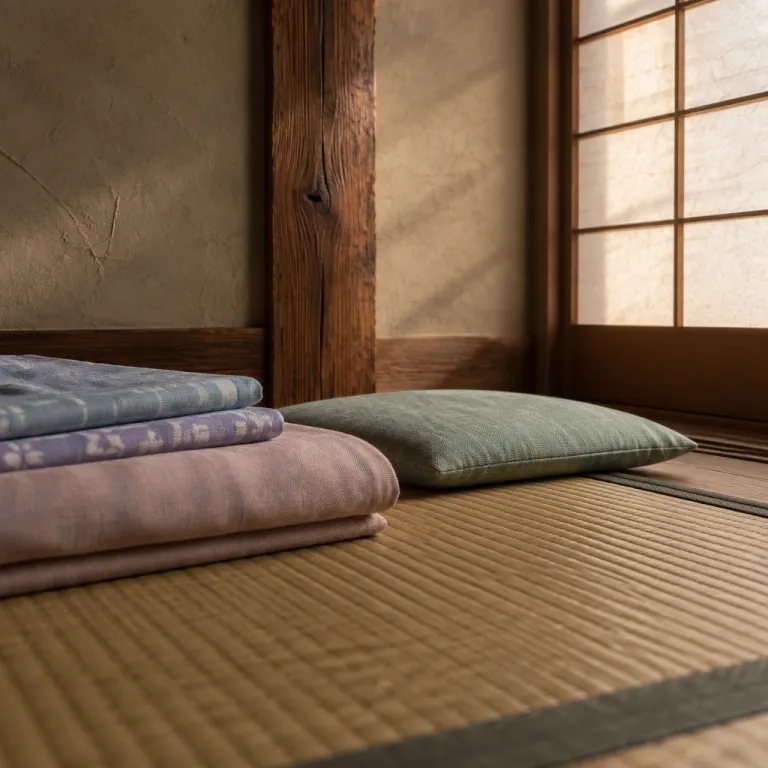
In a traditional Japanese ryokan with a serene onsen, for example, staff may explain how to slide doors, where to place luggage and how to fold futons to protect delicate surfaces. This is not fussy etiquette for its own sake, but a way to ensure that many future guests enjoy the same cultural experience you are having now. The same applies in a station hotel near Tokyo Station or a mountain heritage hotel where original beams and paper screens require care, and where the hotel tells you clearly how to balance comfort with respect.
Heritage settings also heighten your sense of time and season. Watching cherry blossom petals fall into a courtyard of weathered stone or dark timber feels different when you know that generations have watched the same scene from similar rooms in similar hotels. A stay at a refined mountain retreat such as the property profiled in this guide to a historic mountain hotel in Karuizawa shows how Japan rich seasonal rhythms, from snow to fresh green, become part of the architecture itself.
Reading between the lines: real preservation versus heritage washing
As heritage themed hotels multiply across Japan, it becomes crucial to distinguish meaningful preservation from superficial heritage washing. A genuine historic hotel Japan heritage property will be transparent about its registration status, the scope of its restoration and the craftspeople involved in maintaining its architecture. You should expect clear explanations of which parts of the building are original, which are reconstructed and how the hotel balances historical integrity with safety.
When you check availability on a hotel Tokyo booking page, look beyond nostalgic photographs and marketing language. Serious heritage hotels often provide floor plans that show preserved wings, mention collaborations with local artisans and explain any limitations that guests might notice, such as narrower staircases or fewer elevators. By contrast, a property that leans heavily on vague references to Japanese culture without naming specific historical periods, carpentry schools or preservation efforts may be offering style rather than substance.
Practical signals help. Does the hotel share stories of the Japanese inns or temple stays that inspired its design, or does it simply scatter antiques in the lobby without context ? Are there guided tours, bilingual plaques and staff trained to explain cultural details, or is heritage reduced to a backdrop for photos ? When comparing hotels Japan wide, prioritize places where the hotel tells a coherent story, where guests enjoy an informed, authentic experience and where availability is managed with respect for the building’s limits rather than a drive for maximum occupancy.
FAQ
What makes a hotel a registered heritage property in Japan ?
In Japan, a hotel becomes a registered heritage property when its building is designated as a tangible cultural property by national or local authorities. The criteria focus on historical, cultural or architectural significance, such as rare construction methods or links to important events. Once registered, any renovation or expansion must respect strict preservation guidelines that shape how the hotel operates.
Are heritage hotels less comfortable than modern luxury hotels ?
Heritage hotels can match modern comfort, but in different ways. You may find slightly smaller rooms, lower ceilings or unusual layouts because the historical structure cannot be radically altered. In return, you gain character, craftsmanship and a deeper cultural experience that many travelers consider more rewarding than standardized luxury.
How should I prepare for a stay in a traditional Japanese ryokan or temple lodging ?
Before staying in a ryokan or temple lodging, read the property’s guidance on etiquette, clothing and meal times. Expect to remove shoes, sleep on futons and follow bathing rituals carefully, especially when using a serene onsen. Packing light, bringing a small bag for communal baths and arriving with an open attitude will make the experience smoother and more meaningful.
Is it worth paying more for a room in the most historic part of a hotel ?
Paying more for a room in the most historic wing makes sense if you value atmosphere and storytelling over space. These rooms often contain original beams, shoji or period details that define the property’s identity. If you prioritize large bathrooms, abundant outlets and maximal soundproofing, a newer wing within the same hotel may suit you better.
How can I tell if a hotel is engaging in heritage washing ?
Signs of heritage washing include vague references to history without specific dates, craftspeople or preservation projects. If a hotel emphasizes antiques and nostalgic décor but offers no information on registration status, restoration work or cultural partners, be cautious. Authentic heritage hotels are usually proud to share detailed, verifiable information about their building and its ongoing care.