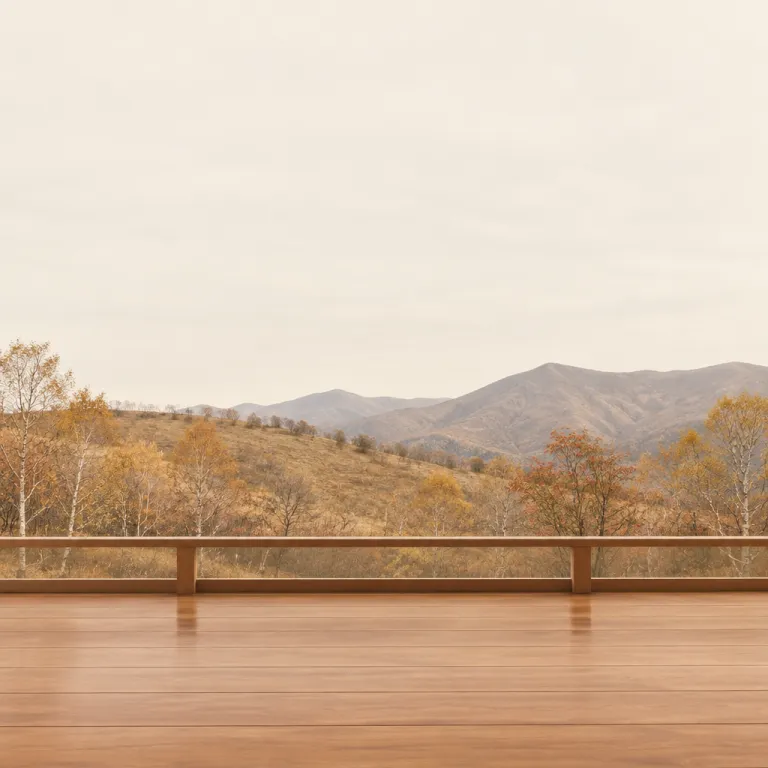
Why autumn reaches Hokkaido first
Autumn reaches Hokkaido before the rest of Japan because cooler air masses sweep down from Siberia and meet the island’s high volcanic plateaus. This early chill turns the foliage in Daisetsuzan National Park and other alpine zones long before Kyoto’s temple gardens even hint at color, creating a distinct hokkaido autumn foliage luxury window for travelers who value space and quiet. For families planning a first visit to Japan, this northern timing means you can enjoy crisp air, vivid leaves and relaxed service while central Honshu is still in late summer mode.
In practical terms, the best time for early fall foliage in Hokkaido’s highest ranges is from mid September, when Daisetsuzan’s ridgelines start to flame, through foliage mid season in late September on the middle slopes. By early October, the autumn foliage band has descended toward lakes and river valleys, and hokkaido autumn stays become ideal for guests who prefer shorter walks and easier access to onsen. Because Kansai’s famous gardens do not peak until much later, you can view fall colors in the north first, then fly south for a second wave of autumn leaves if your itinerary allows.
For luxury travelers, this staggered pattern across Japan is a gift, because it lets you pair different styles of stay with different stages of color. You might spend the foliage early period at a remote onsen lake lodge in central Hokkaido, then shift to a refined city hotel in Sapporo once the red leaves reach the parks and tree lined avenues. The key is to treat hokkaido autumn foliage luxury planning as a moving front, not a single date, and to book mountain properties before the best rooms vanish in late September and early October.
Mountain bases in Hokkaido: lakes, onsens and quiet trails
For families and couples chasing hokkaido autumn foliage luxury, the central lakes form a natural circuit that balances scenery with comfort. Lake Shikotsu, less than ninety minutes from Sapporo, offers glassy water, steep forested walls and several hot spring resorts where you can watch the colors shift from green to gold to deep red. Around foliage mid season in early to mid October, the surrounding park trails give you gentle half day walks that suit children while still delivering serious view fall moments for photographers.
Lake Akan, further east, feels wilder and works well once the foliage late phase reaches the lowlands in mid to late October. Here, luxury lakeside properties frame the autumn leaves through wide picture windows, and private onsen baths let you soak while steam mingles with the cool air rising off the lake. If you time your visit for late October, you often see both lingering red leaves on the hills and the first dusting of snow on distant peaks, a combination that defines hokkaido autumn at its most cinematic.
Families who prefer a softer landing should consider Jozankei onsen as their base, because it combines easy access from Sapporo with a deep valley setting. The town sits along a river corridor where the autumn foliage wraps the slopes in layers of yellow, orange and red, and several high end ryokan style properties offer large family rooms and child friendly kaiseki. This is also where the green to autumn onsen shoulder season feels most tangible, as outdoor baths shift from summer lushness in foliage early September to crisp, misty mornings by mid October, echoing the way Hakuba’s luxury lodges pivot from hiking to winter mode as described in this guide to a refined mountain escape in summer Hakuba: what ski town lodges offer when the snow melts.
From Sapporo to Shiretoko: where to stay for serious color
Using Sapporo as a gateway works well for hokkaido autumn foliage luxury trips, because you can pair a polished city stay with forays into the mountains. In the city itself, parks such as Maruyama Park and the avenues around Hokkaido University turn into corridors of autumn leaves from mid October, giving you easy urban strolls between meals and museums. A top tier hotel in central Sapporo also simplifies transfers to Jozankei, Lake Shikotsu and the blue pond area near Biei, where the surreal turquoise water contrasts sharply with the surrounding red and gold foliage.
For travelers who want a deeper immersion in nature, Shiretoko on the eastern peninsula offers one of Japan’s most dramatic national park landscapes. Here, the combination of rugged coastline, dense forest and onsen fed lodges creates a very different expression of fall foliage compared with the gentler central lakes. The best time to visit Shiretoko for autumn foliage usually falls between early and late October, when the hillsides above the sea blaze with colors and you can return from a hike to a private hot spring bath overlooking the water.
Couples who value seclusion should look for small scale luxury properties in Shiretoko and around Lake Akan that limit guest numbers and emphasize quiet. These stays echo the refined mountain escape ethos seen in Hakuba’s higher end lodges, where the focus is on view fall experiences from your room as much as on guided excursions, a philosophy explored in depth in this elegant guide to Hakuba’s finest hotels: refined mountain escape in Hakuba. When you combine such properties with a night or two in Sapporo at the start or end of your journey, you create a hokkaido autumn itinerary that feels both polished and elemental.
Timing, routing and booking strategy for northern koyo
Planning a hokkaido autumn foliage luxury trip starts with accepting that the season is a gradient, not a single weekend. Daisetsuzan’s highest zones usually peak between about 15 and 25 September, which makes mid September to foliage mid season ideal for hikers who want crisp air and strong colors without snow underfoot. Families with younger children often prefer early October, when the focus shifts from steep ridges to lakeside promenades and riverside paths around Jozankei onsen and Lake Shikotsu.
One effective routing is to begin in central Hokkaido during foliage early to mid September, then move gradually north and east as the colors descend. You might start with two nights near the blue pond and Biei’s rolling hills, continue to a lakeside stay at Lake Akan in mid October, then finish with a Shiretoko national park lodge in late October when the coastal forests reach their peak. This pattern lets you experience autumn foliage in multiple expressions, from alpine reds to lowland golds, while keeping daily travel times manageable for children.
Because the best rooms at onsen and onsen lake properties sell out quickly, especially those with private hot spring baths and guaranteed red leaves views, advance booking is essential. Use a specialist platform that understands Japanese seasonality and can distinguish between merely new hotels and genuinely well run luxury stays, and read criteria driven advice such as this guide to what separates a great hotel from a marketed one: questions that separate a great stay from a marketed one. For many guests, the sweet spot is to travel from late September into late October, avoiding both the humidity of summer and the crowd pressure that hits Kyoto and Tokyo once their own autumn leaves finally turn.
FAQ
What is the best time to see autumn foliage in Hokkaido ?
The best time to see autumn foliage in Hokkaido depends on altitude and region, but a reliable window runs from mid September in the highest parts of Daisetsuzan to late October around lakes and coastal areas. Hikers who want intense color on alpine trails should aim for roughly 15 to 25 September, while families who prefer lakeside walks and onsen stays usually find early to mid October more comfortable. By late October, lowland parks near Sapporo and lakes such as Lake Akan often still show strong colors, though the earliest red leaves will have already fallen.
Where should luxury travelers base themselves for early koyo in the north ?
For early koyo, luxury travelers should consider mountain lodges near Daisetsuzan, lakeside resorts at Lake Shikotsu and Lake Akan, and refined ryokan style properties in Jozankei onsen. These bases give direct access to trails, boat cruises and scenic drives that highlight autumn leaves without long transfers. Many of the best properties also offer private onsen baths, multi course dinners and family friendly room layouts, which makes them ideal for guests who want both comfort and immersion in nature.
How does Hokkaido compare with Kyoto for autumn colors ?
Hokkaido’s autumn colors arrive several weeks before Kyoto’s, because the northern latitude and higher average elevation bring cooler temperatures earlier in the season. This means you can enjoy peak foliage in Hokkaido from mid September to mid October, then travel south to Kyoto later if you want a second round of koyo. Hokkaido also offers more national park landscapes, lakes and onsen towns, while Kyoto focuses on temple gardens and historical streets, so the experiences complement rather than duplicate each other.
Is Hokkaido suitable for families with children during autumn ?
Hokkaido works very well for families in autumn, because the weather is cooler than in central Japan and many trails around lakes and parks are gentle enough for younger children. Onsen towns such as Jozankei and lakeside areas like Lake Shikotsu offer short walks, boat rides and easy access to hot spring baths, which help balance activity and downtime. Luxury properties in these regions often provide larger rooms, Western style bedding and flexible dining, making them practical bases for multi generational trips.
Do I need to rent a car to enjoy Hokkaido’s autumn foliage ?
Renting a car gives you the most flexibility for a hokkaido autumn foliage luxury itinerary, especially if you want to combine multiple lakes, onsen towns and national park viewpoints in a single trip. That said, it is still possible to enjoy key areas such as Jozankei onsen, Lake Shikotsu and some parts of Daisetsuzan using trains and buses from Sapporo, provided you plan around limited timetables. For travelers who prefer not to drive, arranging private transfers through your hotel can bridge the gap between public transport and remote trailheads.