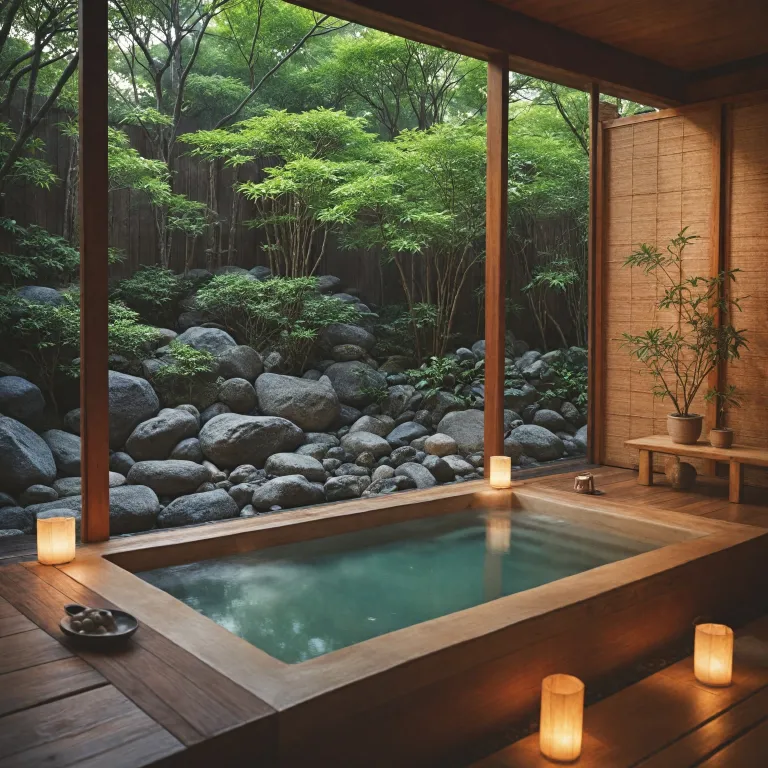
Tokyo private onsen escapes in the heart of the city
Securing a refined tokyo private onsen stay in the capital requires clarity about what you truly value. Some travelers prioritise a traditional ryokan atmosphere with tatami guest rooms, while others want sleek urban comfort with an onsen room and skyline view. Alternating between these priorities helps you compare each hot spring option with confidence.
In Tokyo, Prostyle Ryokan Tokyo Asakusa illustrates how an onsen ryokan can blend classic hospitality with modern privacy. Here, selected guest rooms feature a private onsen bath, allowing you to enjoy natural onsen water without using public baths or sharing air baths with strangers. These private rooms are especially appealing for a guest who prefers baths private for cultural, religious, or personal reasons.
Urban properties often cannot drill their own hot spring wells, so they may pipe in onsen water or recreate hot spring style baths. This means the term hot spring can cover both genuine spring sources and carefully heated onsen water that mimics the mineral feel. When you compare rooms open to a terrace or balcony, check whether the air bath is truly fed by a spring or simply a hot bath with a good view.
Because demand for onsen private facilities is rising, availability in each room category can be limited. Book your preferred onsen room well in advance, especially if you need rooms private for couples, families, or guests with tattoos. Many ryokans and hotels now state clearly whether tattoos are allowed in public baths, so always verify this policy before finalising a reservation.
Choosing between ryokan charm and premium hotel comfort
When planning a tokyo private onsen stay, you will often choose between a traditional ryokan and a premium hotel. A ryokan emphasises tatami floors, futon bedding, and kaiseki dinners served directly in the guest rooms, while a luxury hotel focuses on polished service, technology, and international dining. Both styles can offer a private onsen bath, but the ambience and rituals around the baths differ significantly.
For travelers who value curated amenities, a premium property with refined wellness facilities can be ideal. You might pair an onsen private terrace bath with spa treatments, club lounge access, and elevated in room dining for a seamless experience. To understand how these details enhance a stay, you can review guidance on premium hotel amenities in Japan for discerning travelers and align them with your own expectations.
By contrast, ryokans such as Shima Onsen Kashiwaya Ryokan, located in the mountains yet still convenient from Tokyo, focus on intimate hot spring rituals. This property offers three private onsen baths that are free for each guest when vacant, which is particularly helpful for visitors with tattoos who may feel uncertain about public baths. In these air baths, you can enjoy an open air bath under the sky, then return to a quiet room for a multi course japanese dinner.
Premium hotels in the capital may not call themselves onsen ryokan, yet they increasingly integrate onsen room categories. These rooms open onto compact terraces with open air tubs, giving you a partial city view while you soak in hot water. When comparing ryokans and hotels, consider whether you prefer the ceremony of shared hot spring culture or the discretion of baths private to your own room.
Understanding etiquette, tattoos, and privacy in onsen culture
Even in a tokyo private onsen setting, understanding etiquette will make your stay smoother and more respectful. Before entering any bath, whether a public baths area or a private onsen attached to your room, you must wash thoroughly at the shower stations. This practice keeps the onsen water clean for every guest and reflects long standing japanese bathing customs.
Many international visitors worry about whether tattoos are allowed in onsen facilities. Policies vary widely, with some onsen ryokan and hotels welcoming tattooed guests in private rooms but restricting access to shared air baths or large hot spring halls. Because rules can change, always confirm whether tattoos are allowed in both public baths and private onsen spaces before you book.
Private rooms with an onsen bath offer a discreet solution for guests who prefer more control over their environment. In these rooms open to a balcony or small garden, you can adjust the air, water temperature, and timing of your baths without concern for other guests. Families with children, couples seeking quiet, and solo travelers who feel shy about nudity often find an onsen private experience more relaxing than large communal baths.
Remember that even in a private onsen room, some ryokans request that you avoid adding soaps or oils to the bath. This protects the mineral balance of the hot spring water, especially when it is piped directly from a spring. If you are unsure, ask the staff in your ryokan or hotel, as they are accustomed to guiding first time visitors through every step of japanese bathing etiquette.
Tokyo stays and nearby escapes to hakone and beyond
While a tokyo private onsen stay offers unmatched convenience, many travelers extend their trip to nearby hot spring towns. Hakone onsen is one of the most popular choices, combining easy rail access with views of mount fuji on clear days. In this region, you will find both traditional ryokans and contemporary resorts, many with guest rooms that feature an open air bath on the terrace.
Some hakone ryokan properties specialise in rooms private to couples or families, where each onsen room includes a dedicated hot spring tub. These baths private to your accommodation allow you to enjoy onsen water at any hour, without navigating public baths or checking whether tattoos are allowed. When a room opens directly to a garden, the air bath becomes a tranquil retreat framed by trees, stones, and seasonal flowers.
Beyond Hakone, ikaho onsen and Shima Onsen offer quieter alternatives that still pair well with a stay in Tokyo. Shima Onsen Kashiwaya Ryokan, for example, continues to provide private onsen facilities that can be reserved when vacant, giving each guest flexible access to hot spring baths. In these mountain towns, the air feels cooler and cleaner than in the capital, which enhances the pleasure of soaking in a steaming bath.
Back in Tokyo, you can balance these rural experiences with premium urban hotels that offer sophisticated service and convenient transport. Some travelers choose a night in a view ryokan style property near the city, then shift to a central hotel with easy access to Shinjuku or Ginza. This combination lets you enjoy both the serenity of a hot spring retreat and the energy of Japan’s largest metropolis.
Maximising comfort in guest rooms with private onsen
To fully enjoy a tokyo private onsen stay, pay close attention to the layout and features of your chosen guest rooms. An onsen room should provide enough space to move comfortably between the sleeping area, the bath, and any terrace or balcony. When rooms open directly to an outdoor deck, you gain a more immersive open air experience, especially at night when the city lights shimmer.
Some properties design their private rooms so that the bath sits beside a large window, creating a view ryokan effect even in a high rise hotel. In these cases, the air baths may technically be indoors, yet the sensation of floating above Tokyo’s skyline can be just as memorable as a rural hot spring. Check whether the onsen water is continuously flowing from a spring source or filled on demand, as this affects both temperature stability and ambience.
Ventilation is another important factor, because hot baths generate steam that can affect air quality in compact spaces. A well designed air bath area will include windows or vents that allow fresh air to circulate without cooling the hot spring water too quickly. When evaluating rooms private to your party, look for thoughtful details such as non slip flooring, handrails, and seating that make the baths comfortable for all ages.
Travelers who value seamless service may appreciate properties that coordinate meal times with bathing schedules. For example, staff can prepare your japanese breakfast to arrive just after a morning soak, or arrange dinner to follow an evening session in your onsen private tub. This level of coordination transforms a simple bath into a holistic wellness ritual that defines your stay.
Planning and booking refined onsen stays with confidence
Thoughtful planning is essential when booking a tokyo private onsen experience through a luxury or premium platform. Start by clarifying whether you prefer a central city location, such as Asakusa or Shinjuku, or a nearby hot spring town like hakone onsen or ikaho onsen. Then, filter options by room type, ensuring that the onsen room you select truly includes a private onsen bath rather than shared public baths only.
Online travel platforms and official ryokan websites are the primary tools for researching onsen ryokan options. Many sites now provide detailed floor plans, photos of air baths, and clear notes on whether tattoos are allowed in each facility. When you see terms such as onsen private or baths private in the description, verify whether this refers to guest rooms, reserved time slots, or both.
For travelers seeking a blend of hot spring relaxation and urban sophistication, it can be helpful to review curated guides to premium hotel experiences. Resources such as this overview of premium hotel experiences in Tokyo’s Shinjuku district illustrate how high end properties integrate wellness, dining, and design. By comparing these features with those of ryokans like onsen kashiwaya in Shima Onsen, you can decide whether to prioritise city convenience or rural tranquillity.
As you refine your shortlist, remember that there are approximately 500 public bathhouses in Tokyo, according to the World Monuments Fund. This abundance means you can easily complement a stay in private rooms with visits to traditional sento or larger hot spring complexes. Nearby onsen towns include Hakone, Kusatsu Onsen, and Shima Onsen, each offering traditional hot spring experiences.
Key statistics for tokyo private onsen stays
- Approximately 500 public bathhouses operate within Tokyo, offering a wide range of bathing styles alongside private onsen options.
- Nearby onsen towns such as Hakone, Kusatsu Onsen, Shima Onsen, and ikaho onsen can typically be reached from Tokyo within a few hours by train or bus.
- Urban innovation has led to a growing number of guest rooms that integrate open air baths and onsen water into high rise hotel designs.
Essential questions about tokyo private onsen experiences
Are there private onsen baths available in Tokyo ?
Yes, some accommodations in Tokyo, such as Prostyle Ryokan Tokyo Asakusa, offer rooms with private onsen baths. These facilities allow guests to enjoy hot spring style baths in complete privacy, which is ideal for those who feel uncomfortable in public baths. When booking, confirm that your chosen room category specifically includes a private onsen bath rather than shared facilities only.
What are some nearby onsen towns to Tokyo ?
Nearby onsen towns include Hakone, Kusatsu Onsen, and Shima Onsen, each offering traditional hot spring experiences. These destinations feature a wide range of ryokans and hotels with guest rooms that include open air baths and direct access to natural springs. Many travelers combine a stay in Tokyo with one or two nights in these towns to experience both urban energy and rural hot spring tranquillity.
Trusted references for further planning
- Japan National Tourism Organization (JNTO)
- Tokyo Metropolitan Government official travel guide
- World Monuments Fund – data on Tokyo public bathhouses