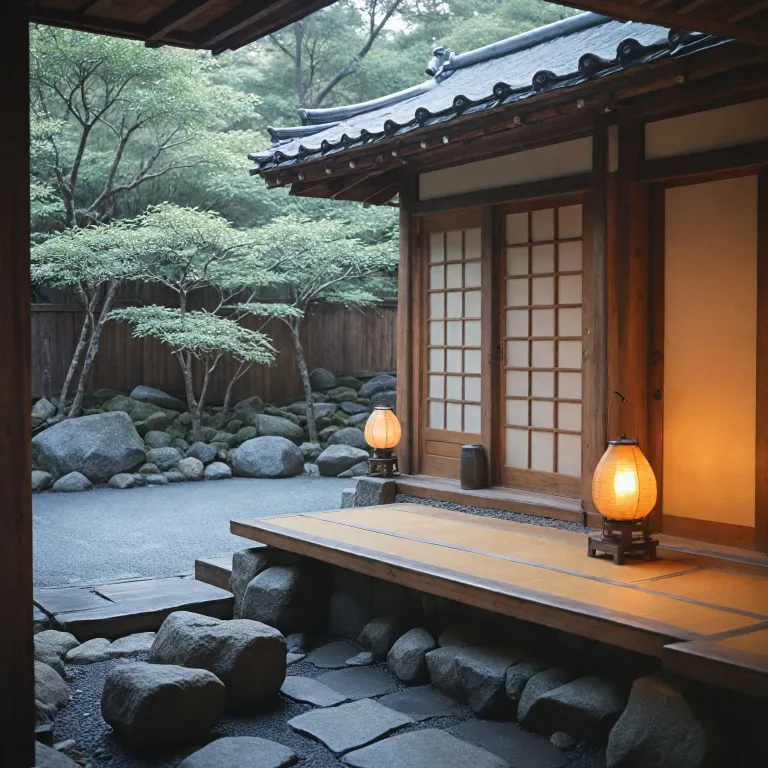
Choosing a ryokan in Hokkaido for an elegant onsen escape
Planning a ryokan Hokkaido stay begins with understanding what defines this traditional Japanese inn experience. A ryokan is a traditional Japanese inn featuring tatami-matted rooms, communal baths, and local cuisine. In Hokkaido, these ryokans combine centuries of hospitality with pristine landscapes, where each night feels carefully choreographed for comfort and calm.
Across Hokkaido, many ryokan properties sit near mineral rich onsen, giving guests direct access to hot spring culture. These onsen Hokkaido retreats often feature both communal and private baths, allowing guests to choose between social immersion and quiet reflection. Some ryokans Hokkaido wide now offer modern rooms open to forest or lake views, while still preserving a deeply Japanese style of architecture and service.
Luxury travelers comparing each hotel or ryokan in Hokkaido should check availability early, especially around national holidays and ski seasons. With an average of only 14 rooms per property in many traditional ryokans, last minute bookings can be challenging for guests who want specific room categories or a private onsen. Book in advance, especially during peak seasons.
When you check in, staff will guide you through customs such as removing shoes, wearing yukata, and timing your breakfast and dinner. Are meals included in a ryokan stay? Traditionally, meals are included, but some ryokan now offer meal plans separately. This flexibility helps international guests tailor their night to personal preferences, from light breakfast options to elaborate kaiseki dinner courses.
Do ryokan have private bathrooms? Some ryokan offer private bathrooms, while others have shared facilities. Before you confirm the latest prices for any ryokan Hokkaido property, carefully check room descriptions, onsen access, and whether your stay includes breakfast dinner combinations or room only plans. This attention to detail ensures your chosen hotel or ryokan aligns with your expectations for comfort, privacy, and cultural immersion.
Iconic onsen regions and lakes for a ryokan Hokkaido itinerary
Designing a ryokan Hokkaido itinerary often starts with mapping the island’s most atmospheric hot spring regions. Noboribetsu Onsen, home to Takinoya Ryokan, is renowned for its dramatic volcanic landscape and varied hot spring waters. Here, guests can enjoy multiple spring baths in one stay, moving from milky sulfur pools to clear sodium chloride waters that soothe tired muscles after a long travel day.
At Takinoya Ryokan in Noboribetsu Onsen, rooms range from classic tatami layouts to suites with a private onsen on the terrace. These private onsen spaces allow guests to bathe at any hour of the night, listening to the surrounding forest while steam rises into the cool Hokkaido air. Many rooms open toward garden views, creating a seamless connection between indoor comfort and the region’s rugged natural beauty.
Further inland, lake Akan and lake Shikotsu offer tranquil settings for ryokans Hokkaido travelers prize for their views and cultural depth. Around lake Akan, some ryokan Hokkaido properties integrate Ainu cultural elements, while still providing refined Japanese style rooms and elaborate dinner courses. Near lake Shikotsu, spring baths often overlook the caldera lake, and guests can check availability for rooms that frame the water through wide picture windows.
For travelers combining urban stays with onsen retreats, the route from Sapporo Station to Noboribetsu, lake Shikotsu, or lake Akan is straightforward by train or bus. Many guests choose a night or two in a central Sapporo hotel before transferring to a quieter ryokan Hokkaido property. Those interested in broader Japanese luxury circuits can also explore refined central Tokyo luxury hotels as a contrasting city experience.
When comparing latest prices across ryokans Hokkaido wide, consider the added value of included breakfast dinner plans, onsen access, and seasonal activities. Some ryokan Hokkaido stays near lakes include guided walks, cultural performances, or spa treatments, which can transform a simple hotel booking into a memorable immersion. Always check availability early for lake view rooms, as these limited categories are often the first to sell out.
Lake Toya and Toya Tsuruga stays for panoramic open air baths
Lake Toya is one of the most sought after destinations for a ryokan Hokkaido escape focused on scenery and relaxation. The caldera lake remains unfrozen even in winter, creating ethereal morning mists that guests can admire from open air baths. Many hotel and ryokan properties here orient every room toward the water, ensuring that each night includes a serene lake view.
Among the most notable options is the Toya Tsuruga resort, where rooms open toward sweeping lake Toya panoramas and carefully landscaped gardens. At this tsuruga resort, guests can choose between Western beds or Japanese style futons, often within the same room category. Several suites feature a private onsen or semi open air bath on the balcony, allowing guests to enjoy hot spring waters while watching the changing light over lake Toya.
The toya tsuruga property exemplifies how ryokans Hokkaido wide are modernizing while preserving traditional hospitality. Public onsen areas may include multiple hot spring pools, indoor and outdoor air baths, and dedicated spring baths for different temperatures. After a long soak, guests typically return to their room for a multi course dinner that highlights Hokkaido seafood, local vegetables, and delicately prepared Japanese dishes.
Breakfast at lake Toya ryokan Hokkaido stays often combines Japanese style offerings with Western options, catering to diverse international guests. Families and couples can check availability for connecting rooms or suites with a private onsen, especially if they prefer to bathe together rather than in gender separated public baths. When reviewing latest prices, remember that breakfast dinner inclusions, spa access, and lake view guarantees significantly influence overall value.
Travelers building a wider luxury itinerary sometimes pair lake Toya with Kyoto, balancing northern hot spring landscapes with classical temples and gardens. For inspiration on the Kansai portion of your journey, you can review top luxury resorts in Kyoto that complement a ryokan Hokkaido stay. This combination allows guests to experience both volcanic lakes and historic cityscapes, all while maintaining a consistent standard of refined service and carefully curated rooms.
Secluded luxury at Zaborin and other private villa ryokans
For travelers seeking maximum privacy, Zaborin Ryokan near Niseko represents a pinnacle of ryokan Hokkaido luxury. This property offers standalone villas, each with its own indoor and open air baths fed by natural hot spring sources. Guests can move between their private onsen and living spaces without ever entering a public corridor, creating a deeply personal retreat.
At Zaborin, rooms open onto forest clearings rather than busy streets, and every night feels removed from the usual rhythms of resort life. The design blends Japanese style elements such as tatami and shoji with contemporary lines, ensuring comfort without sacrificing cultural character. Many guests choose to take all meals in their villa, where breakfast dinner sequences unfold at a relaxed pace with attentive yet discreet service.
This approach reflects a broader trend among ryokans Hokkaido wide, where innovation focuses on privacy, wellness, and tailored experiences. Some properties now offer spa menus that complement onsen bathing, including massages and treatments using Hokkaido botanicals. Others provide curated activities, from guided walks to cultural workshops, which guests can book when they check availability or upon arrival.
Because villa style ryokan Hokkaido stays often have very few rooms, securing your preferred dates requires early planning. Travelers should carefully check each room description, noting whether the private onsen is fully enclosed, semi open air, or entirely outdoors. These distinctions affect how comfortable the air baths feel in different seasons, especially during Hokkaido’s colder months.
When comparing latest prices between Zaborin and other secluded ryokans Hokkaido offers, consider what is included beyond the room itself. Many villa properties bundle breakfast dinner, spa access, and sometimes transfers from nearby stations, which can offset higher nightly rates. For those who value quiet, space, and personalized service, this style of ryokan Hokkaido stay often delivers exceptional long term memories.
Practical booking strategies for premium ryokan Hokkaido stays
Securing the right ryokan Hokkaido reservation involves more than simply choosing a hotel with an onsen. Travelers should begin by clarifying priorities such as proximity to Sapporo Station, access to specific lakes like lake Akan or lake Shikotsu, and the importance of a private onsen. Once these preferences are clear, it becomes easier to check availability across multiple ryokans Hokkaido wide and compare options fairly.
When reviewing room categories, pay close attention to whether rooms open toward a garden, mountain, or lake view. Lake Akan and lake Toya rooms with unobstructed vistas often command higher latest prices, but they also transform each night into a visual experience. Guests who value privacy may prioritize a room with an air bath or semi open air hot spring, even if the overall floor area is smaller.
Meal planning is another crucial factor in any ryokan Hokkaido booking. Many properties offer packages that include breakfast dinner, while others allow guests to book room only and add meals later. For travelers with dietary requirements, contacting the ryokan before you check in is essential, as Japanese style kaiseki dinners are highly structured and rely on seasonal ingredients.
Loyalty minded travelers using a premium hotel booking website can also benefit from curated collections of ryokans Hokkaido wide. These platforms often highlight properties like Takinoya Ryokan, Zaborin, and tsuruga resort locations, making it easier to compare inclusions and guest reviews. For deeper insight into maximizing value, consider guidance on premium hotel loyalty programs in Japan that complement ryokan stays.
Finally, remember that many ryokan Hokkaido properties maintain strict check in and check out times to coordinate onsen cleaning and dinner service. Guests arriving from Sapporo Station or other hubs should allow generous transfer time, especially in winter. By aligning transport, room selection, and meal preferences in advance, you ensure that your first night unfolds smoothly, allowing you to focus on the restorative rhythm of hot spring baths and refined hospitality.
Enhancing your stay: etiquette, wellness, and cultural depth
Once you arrive at your chosen ryokan Hokkaido property, understanding etiquette will help you relax into the experience. Staff will usually guide guests through the process of changing into yukata, storing luggage, and preparing the room for night time futon arrangements. Following these cues shows respect for Japanese style hospitality and enhances the sense of calm that defines many ryokans Hokkaido wide.
Onsen etiquette is particularly important, whether you are using a public hot spring or a private onsen attached to your room. Guests should wash thoroughly before entering any spring baths, keep towels out of the water, and move quietly to preserve the tranquil atmosphere. In open air baths and indoor air baths alike, this shared respect allows everyone to enjoy the mineral rich waters, whether at lake Akan, lake Toya, or lake Shikotsu retreats.
Wellness at a ryokan Hokkaido stay extends beyond the onsen itself. Many properties now integrate spa services, meditation spaces, or gentle stretching sessions that complement the effects of hot spring bathing. After a sequence of soaks and treatments, returning to your room for a carefully prepared breakfast dinner combination feels both indulgent and restorative.
Culturally, ryokans Hokkaido properties often showcase local crafts, ceramics, and seasonal cuisine that reflect the surrounding region. At lake Akan, this might include Ainu inspired motifs, while at a tsuruga resort near lake Toya, design elements may echo volcanic landscapes. Guests who take time to ask questions, observe details, and savor each course gain a deeper appreciation of how traditional Japanese inns support local artisans and food producers.
As you check out after one or several nights, consider how the interplay of room design, onsen rituals, and attentive service shaped your perception of Japan. Whether you stayed near Sapporo Station, at a secluded villa like Zaborin, or beside a caldera lake, the ryokan Hokkaido experience offers a rare blend of privacy, cultural immersion, and natural beauty. This combination explains why many travelers return repeatedly, exploring new ryokans Hokkaido wide while seeking that same feeling of quiet, refined hospitality.
Key statistics about ryokan stays in Japan
- Estimated number of ryokan across Japan : 72 600 establishments.
- Average number of rooms in a traditional ryokan : 14 rooms.
- Many ryokan operate year round, with seasonal peaks around holidays and winter.
Essential questions about ryokan Hokkaido stays
What is a ryokan?
A ryokan is a traditional Japanese inn featuring tatami-matted rooms, communal baths, and local cuisine. In Hokkaido, many ryokans also provide access to natural onsen and scenic views of lakes or mountains. These properties emphasize hospitality, seasonal food, and a slower pace of travel.
Are meals included in a ryokan stay?
Traditionally, ryokan stays include both breakfast and dinner, often served in your room or a dedicated dining hall. However, some ryokans now offer flexible plans, allowing guests to book room only or add meals separately. It is important to check availability and inclusions carefully before confirming your reservation.
Do ryokan have private bathrooms?
Facilities vary widely between ryokans, especially in Hokkaido where some properties are historic and others newly built. Some ryokan offer private bathrooms and even a private onsen attached to the room, while others rely on shared communal baths. Guests who require private facilities should review room descriptions and latest prices closely before booking.