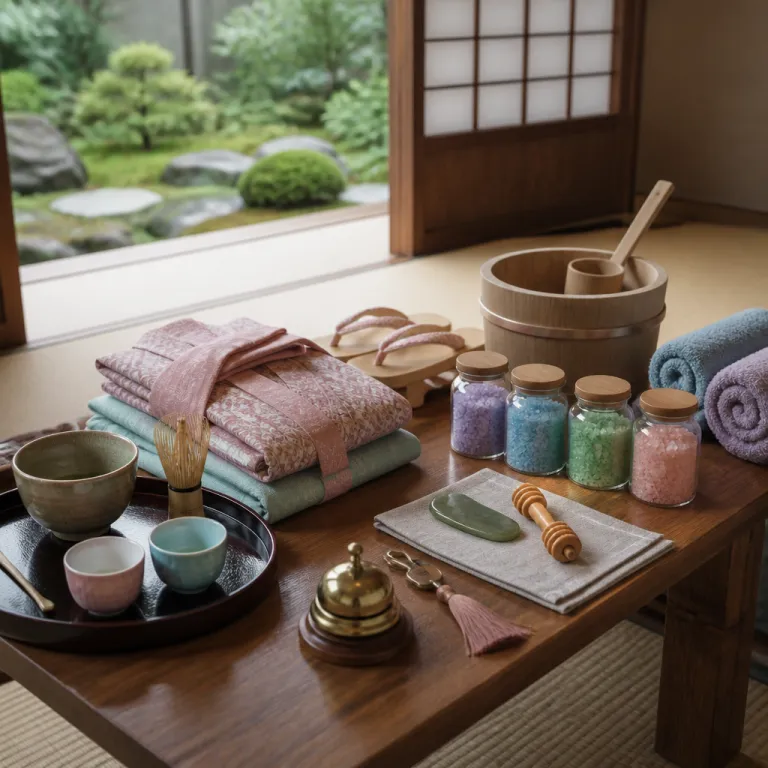
Resort Japan for luxury travelers: retreat, not just recreation
In resort Japan, the word resort means retreat before recreation. For many luxury guests used to inclusive resorts in the Maldives or Caribbean, this shift in emphasis can feel quietly radical and deeply restorative. A Japanese resort stay is built around immersion in nature, slow rituals and precise hospitality rather than a schedule of pool games and buffet rotations.
Across japan, the most coveted resorts sit in landscapes where the elements dictate the rhythm of the day. In Hokkaidō or the Nagano prefecture, a ski resort is defined as much by its onsen culture and mountain resort silence as by its ski areas and snow quality. On Okinawa or Miyako Island, a coastal resort spa frames the Pacific not only as a view from your rooms and suites but as a living presence that shapes the architecture, cuisine and daily rituals.
Families arriving from a major city such as Tokyo or Osaka often expect a large outdoor pool and kids club as the core amenities. In resort Japan, the equivalent anchors are thermal bathing, forest walks, craft workshops and seasonal cuisine that introduce children to regional japanese culture. This is why luxury hotels across asia Japan increasingly describe themselves as retreats or ryokan style properties rather than classic beach resorts.
Brands such as FUFU Japan, MUWA Niseko and Hyakuna Garan illustrate how the country’s resorts blend traditional architecture with contemporary comfort. Their hotels use local materials, collaborate with artisans and place onsen or spa resort facilities at the heart of the layout instead of a central snow park style pool complex. For premium families, this means a resort stay in japan is less about constant entertainment and more about shared experiences that unfold slowly across the day.
Onsen instead of pool: how Japanese resorts reframe water and wellness
Water sits at the center of resort Japan, but not in the form of a chlorinated infinity pool. In many japanese luxury hotels, the onsen is the primary gathering place where guests follow quiet rituals of washing, soaking and cooling down between indoor and outdoor baths. These mineral rich springs turn a simple resort spa into a wellness journey that can easily replace a week at an overseas thalasso retreat.
Amanemu in the Ise Shima area is the clearest expression of this philosophy, pairing ryokan inspired suites with private onsen that open towards Ago Bay. Here, the resort spa is not an add on but the architectural spine, with paths leading from rooms and suites to steaming pools that change character with the seasons. The property’s approach to forest bathing and pilgrimage trails has been explored in depth in this guide to Amanemu’s wellness signature in Ise Shima.
Families who might normally search for an outdoor pool at inclusive resorts in Southeast Asia quickly understand that japanese children grow up with a different relationship to water. At a snow resort in japan Hokkaidō or a ski resort in the Nagano prefecture, an evening onsen session after time in the snow often replaces the afternoon pool hour. Parents soak in rotenburo baths while children learn quiet etiquette, turning wellness into a shared cultural lesson rather than a separate kids activity.
Resorts Japan that take this approach include MUWA Niseko in Niseko Village, where ski in ski out access meets a wellness program built around hot springs and spa treatments. On Okinawa and Miyako Island, properties such as Hyakuna Garan and the forthcoming Rosewood Miyakojima use ocean facing baths and low slung pavilions instead of water slides and loud snow park style features. Across japan, this reframing of water and wellness is what makes a resort stay feel both intensely local and surprisingly luxurious.
Nature archetypes: forest, coast, mountain and village resorts in Japan
Resort Japan can be mapped through four nature archetypes that help travelers choose the right stay. Forest resorts such as Aman Kyoto or HOSHINOYA Fuji place guests in cedar and maple groves where architecture dissolves into the landscape. Coastal resorts in Okinawa or along the Kii Peninsula lean into sea breezes, coral reefs and long horizons rather than crowded beach clubs.
HOSHINOYA Fuji, often described as Japan’s first luxury glamping resort, sits above Lake Kawaguchi with Mount Fuji framed between trees. This mountain resort uses timber decks, tented cabins and fire pits instead of a conventional seasons hotel tower, giving families space to slow down and watch the light change across the snow capped peak. In winter, the same region becomes a soft snow resort landscape, while in other seasons it turns into a base for canoeing, hiking and quiet stargazing.
Village style resorts Japan, such as HOSHINOYA Taketomi in Okinawa prefecture, recreate traditional town patterns with low stone walls, red tiled roofs and sandy lanes. Here, guests move through the resort as they would through a small town, greeting staff who remember preferences and children’s names. This approach contrasts sharply with the vertical hotel Tokyo model, where elevators and corridors define movement more than gardens and lanes.
Families planning a longer trip across japan often default to the classic Tokyo Kyoto Osaka loop. For premium travelers focused on resort stays, this pattern can be limiting, as argued in this analysis of the case against the standard Tokyo Kyoto Osaka itinerary. Swapping one city night for a forest resort near Kyoto, a coastal retreat in Okinawa or a mountain resort in japan Hokkaidō often delivers more rest, better food and a deeper sense of place.
Winter ski luxury versus summer islands: seasonal resort Japan
Seasonality defines resort Japan more sharply than in many other destinations. In winter, the focus shifts to ski resorts in Hokkaidō and the Japanese Alps, where deep snow and refined hospitality create a very different experience from European or North American slopes. By summer, attention moves south to Okinawa and Miyako Island, where warm seas and long days invite slow coastal living rather than high energy water sports.
Niseko Village in japan Hokkaidō has become the emblem of japanese ski luxury, with properties such as MUWA Niseko offering ski in ski out access, extensive spa resort facilities and design that balances timber, stone and glass. Here, the ski areas are only part of the story, as guests move from powder runs to onsen baths, kaiseki dinners and quiet lounges that feel closer to a ryokan than a typical town ski hotel. Families can book rooms and suites that connect, allowing grandparents, parents and children to share a single mountain resort base.
Elsewhere in the prefecture, resorts Japan such as Kiroro and Furano offer a softer, more local atmosphere with fewer international crowds. These ski resorts often sit near small city centers or villages where japanese daily life continues largely unchanged by tourism. For families, this means easy access to casual restaurants, local festivals and snow park style play areas that feel authentic rather than manufactured.
When the snow melts, attention turns to Okinawa and Miyako Island, where coastal resorts such as Hyakuna Garan and Rosewood Miyakojima offer a different expression of resort Japan. Instead of a vast outdoor pool complex, you find intimate courtyards, quiet beaches and resort spa programs built around Ryukyu healing traditions. A week at one of these luxury hotels often costs less than an equivalent stay at a top tier Maldives resort, especially when you factor in shorter flights from major asia Japan hubs and the ability to combine the trip with a few nights in Tokyo or Kyoto.
Family friendly luxury: what replaces kids clubs in Japanese resorts
Parents planning a resort Japan itinerary often worry about the lack of conventional kids clubs. In practice, japanese resorts replace scheduled entertainment with layered experiences that families share together, from onsen rituals to craft workshops and guided nature walks. This shift suits premium families who prefer meaningful activities over screens and mascots.
At forest resorts near Kyoto or in the Kii Peninsula, children join parents for slow hikes, tea roasting sessions and simple gardening rather than being parked in a playroom. Coastal properties in Okinawa prefecture or on Miyako Island might offer glass bottom boat trips, coral friendly snorkeling and traditional music evenings where guests of all ages participate. In ski resorts such as Niseko Village or Hakuba, ski schools and gentle snow park areas become the daytime equivalent of a kids club, with instructors who understand both safety and cultural nuance.
Room configurations in resorts Japan also reflect this family focus, with many properties offering flexible rooms and suites that can be combined. A mountain resort in japan Hokkaidō might pair a tatami room with a western style bedroom, allowing grandparents to sleep on futons while parents use beds and children move between both. In coastal resorts, villas with small outdoor pools or private gardens give families space to relax without disturbing other guests.
For those building a longer itinerary across japan, mixing city hotels in Tokyo or Kyoto with two or three resort stays creates a balanced rhythm. A detailed planning guide such as this overview of alternatives to the standard city loop can help identify where to swap an urban night for a resort stay. The key is to check availability early, especially during peak ski seasons and school holidays, as many japanese luxury hotels are small and fill quickly.
How to choose and book: reading the fine print in Japanese luxury resorts
Selecting the right resort Japan property starts with understanding how japanese hotels describe themselves. Many luxury resorts blend ryokan traditions with contemporary design, which means room categories, meal plans and onsen access can differ sharply from Western norms. Reading the details carefully before you check availability will prevent surprises on arrival.
Properties such as FUFU Japan, Gora Kadan Fuji and Hyakuna Garan show how this hybrid model works in practice. They use traditional architecture, local materials and partnerships with artisans, culinary experts and wellness professionals to create resorts Japan that feel deeply rooted in their prefecture. Some operate closer to inclusive resorts, with half board or full board plans built around kaiseki dinners, while others follow a more flexible city hotel model where guests dine in nearby restaurants.
Location also matters, especially when balancing resort stays with time in major hubs such as Tokyo or Kyoto. A hotel Tokyo property with a strong spa resort program can serve as a soft landing before heading to a more remote mountain resort or coastal retreat. For those interested in extending their journey beyond the usual circuit, this guide to elegant stays in Hiroshima shows how a secondary city can anchor a sophisticated itinerary.
When comparing costs, a week at a top tier japanese resort often matches or slightly undercuts equivalent stays in Bali or the Maldives once flights and transfers are included. The difference lies in what you receive for that investment, as japanese properties prioritize personalized service, seasonal cuisine and wellness programs over large scale entertainment. As one industry overview notes, “Japan's luxury resorts blend traditional hospitality with modern amenities.”
Key figures that shape luxury resort stays in Japan
- There are an estimated 15 luxury ryokan style properties across Japan that meet strict international standards for high end service and design, according to Japan Ryokan Guide, which means availability is limited during peak seasons.
- Resort openings such as MUWA Niseko in Niseko Village and Gora Kadan Fuji near Mount Fuji illustrate a steady expansion of luxury inventory, with new properties focusing on wellness, ski access and strong architectural identity.
- Many leading japanese resorts now operate year round, shifting from ski focused programming in winter to hiking, cycling and cultural activities in warmer months, which improves occupancy and offers better value for long haul guests.
- Adults only properties such as Hyakuna Garan in Okinawa prefecture coexist with family friendly resorts, so checking age policies before booking is essential for both couples and parents.
FAQ about luxury resort stays in Japan
What is a ryokan and how does it differ from a resort
A ryokan is a traditional Japanese inn offering hospitality and cultural experiences. Many modern resorts Japan borrow elements from ryokan design, such as tatami rooms, kaiseki dinners and onsen baths, but add larger facilities and international service standards. When choosing between a ryokan and a resort, consider whether you prefer an intimate, ritual focused stay or a property with broader amenities and more flexible dining.
Are children allowed in luxury resorts across Japan
Policies vary; some resorts are adults-only. Family friendly properties in resort Japan often provide connecting rooms and suites, gentle onsen options and nature based activities instead of formal kids clubs. Always check age rules and extra bed policies before you check availability, especially in ski resorts and coastal retreats where room counts are low.
Do Japanese luxury resorts usually offer onsen facilities
Many luxury resorts feature private or public onsen baths. In ski areas such as Niseko Village or in mountain resort regions near kogen plateaus, hot springs are often the centerpiece of the wellness program. Coastal resorts in Okinawa prefecture and on Miyako Island may use heated pools or bathhouses instead when natural springs are not available, but they still follow japanese bathing rituals.
How far in advance should I book a luxury resort in Japan
For peak ski seasons in japan Hokkaidō and major holidays around Tokyo and Kyoto, booking six to nine months ahead is prudent. Smaller resorts Japan with fewer rooms and suites, especially high end ryokan style properties, can fill even earlier. Shoulder seasons offer more flexibility, but it is still wise to check availability as soon as international flights are confirmed.
How does the cost of a Japanese luxury resort compare to other destinations
Nightly rates at top tier resort Japan properties are broadly comparable to leading resorts in Bali or the Maldives. However, shorter internal flights, efficient rail links and the ability to combine city hotels with resort stays often improve overall value. Many guests also find that the depth of service, seasonal cuisine and wellness programs in japanese resorts justifies the investment.