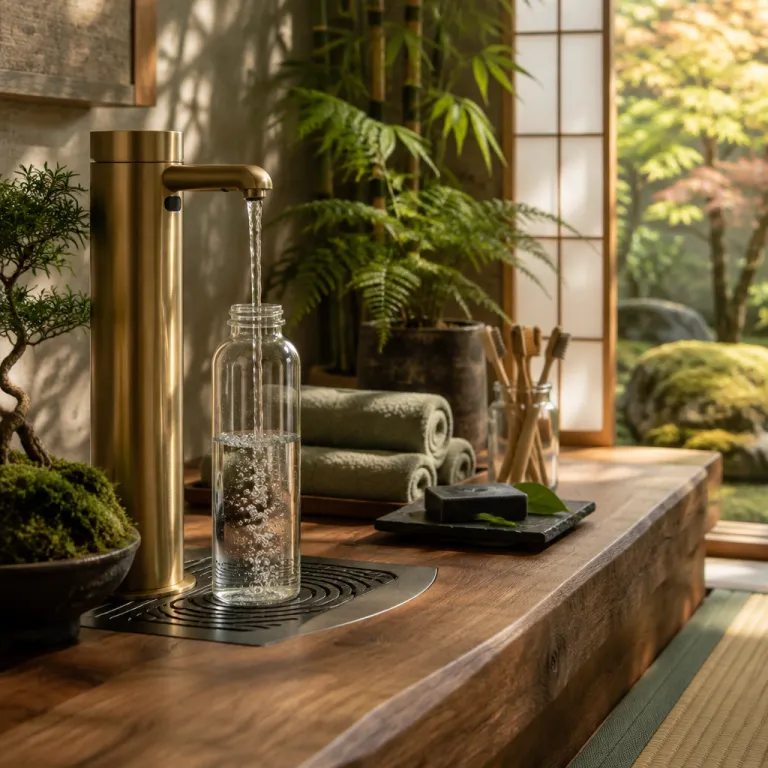
World Tourism Day and the new map of responsible luxury in Japan
World Tourism Day lands in Japan just as luxury travel faces a reckoning. The pressure of tourism concentrates on a narrow corridor from Tokyo to Kyoto, while sustainable tourism in Japan luxury conversations finally move from slogans to structural change. For high end travelers, this is the moment to align every hotel choice with sustainable travel values rather than only seeking the newest design trend.
Overtourism in japan is not abstract ; it is visible in crowded Kyoto lanes, strained hot spring towns and fragile nature around famous shrines. Luxury hotels can either amplify that pressure or redirect demand toward rural areas, national parks and lesser known coastal regions where sustainable accommodation supports local communities. When you travel Japan with an eco conscious mindset, your booking power can shift energy, employment and environmental stewardship in very concrete ways.
Responsible luxury now means asking how each hotel manages waste, energy and food waste, not just how large the suite feels. The most forward looking japanese properties treat sustainability as part of omotenashi, integrating eco friendly practices so discreetly that the guest experience becomes more refined, not less indulgent. In this context, sustainable tourism in Japan luxury is no longer a niche; it is the standard by which serious travelers quietly judge both individual hotels and the wider tourism ecosystem.
What responsibility looks like at the luxury hotel level
At the top end of accommodation in Japan, responsibility starts with how a hotel hires, trains and retains its local équipe. A genuinely sustainable hotel in Tokyo or Osaka will prioritize local employment, invest in skills for japanese staff and channel tourism revenue into neighborhood projects rather than only global loyalty schemes. When you evaluate sustainable tourism in Japan luxury options, ask how many leadership roles are held by people rooted in the community and how the property supports traditional japanese crafts or food producers.
Supply chains reveal as much as spa menus. Eco conscious hotels now map every step of their sourcing, from renewable energy contracts to partnerships with farmers who reduce plastic waste and food waste through careful planning. At the luxury environmental tier, the most interesting experiences come when a property links its tasting menus, bar programs and wellness offerings to nearby nature, national parks and seasonal harvests, turning sustainability into a narrative rather than a checklist.
Energy use and waste management are where marketing claims meet measurable sustainability. Look for hotels that publish clear goals on reducing plastic waste, cutting overall waste volumes and shifting to renewable energy, even if the transition is still in progress. When you read a detailed environmental stewardship statement before booking a suite at a flagship property such as the one reviewed in our Grand Hyatt Tokyo luxury review, you gain a sharper sense of whether sustainable tourism in Japan luxury is embedded in operations or confined to a single eco friendly amenity.
Routing around the crush: rural areas, national parks and low impact stays
The golden route between Tokyo, Kyoto and Osaka will always attract first time visitors, yet sustainable travel in Japan asks you to look beyond it. By shifting even two nights of accommodation into rural areas or a lesser known national park, you ease pressure on crowded districts while accessing deeper experiences Japan rarely shows to day trippers. This is where sustainable tourism in Japan luxury becomes most rewarding, because the pace slows and every interaction with local hosts feels intentional.
Properties near japan national parks now design low impact experiences that balance comfort with environmental protection. Guided walks capped at small numbers, quiet canoe trips and stargazing sessions replace high traffic bus tours, while eco conscious guides explain how environmental stewardship shapes trail maintenance and wildlife protection. When you choose a sustainable accommodation in these landscapes, you support both conservation budgets and the continuity of traditional japanese rural life.
Treeful Treehouse in Okinawa is a clear example of how a single eco friendly concept can reshape expectations of luxury. Elevated suites immerse guests in nature while minimizing land disturbance, and the team constantly refines energy use, waste systems and guest experiences to keep the footprint low. Similar principles guide high end ryokan in Gifu or Nagano, where a stay such as those featured in our Takayama ryokan guide pairs hot spring rituals, traditional japanese kaiseki and local materials with a quiet commitment to sustainable tourism in Japan luxury.
How discerning travelers can vote with their bookings
For business leisure travelers extending a Tokyo trip into a long weekend, responsibility begins before the plane even lands. When you plan to travel Japan for both meetings and rest, build in time for lower impact rail journeys, shoulder season dates and stays that connect you with local culture rather than only international brand familiarity. Sustainable tourism in Japan luxury is shaped by these micro decisions, repeated thousands of times across the year.
On the booking page, read beyond room size and loyalty benefits. Study how each hotel talks about sustainable accommodation, eco friendly operations, renewable energy adoption and concrete steps to reduce plastic waste and food waste across restaurants, banquets and in room amenities. If a property highlights environmental stewardship with specific examples, from energy efficient systems to partnerships with nearby artisans, you can be confident that sustainability is part of the guest experience rather than a seasonal campaign.
Policy shifts also matter for high end travelers. Japan has tripled its departure fee from July, a move that subtly reshapes how often some visitors will travel Japan and how they think about the value of each trip ; our analysis in this article on the impact of the new departure fee on luxury travelers explains why longer, more sustainable travel patterns are likely to follow. When you combine fewer but richer experiences, carefully chosen hotels and a clear preference for eco conscious, low impact stays, you help define what sustainable tourism in Japan luxury will mean for the next decade.
FAQ
How can a luxury traveler make their trip to Japan more sustainable without sacrificing comfort ?
Start by choosing accommodation that publishes clear sustainability goals and details on energy, waste and local sourcing. Opt for rail over domestic flights where possible, and favor eco friendly experiences with small group sizes and low impact access to nature. You keep the luxury level high while aligning every stage of your travel with sustainable tourism in Japan luxury principles.
Which regions in Japan are best for eco conscious high end stays away from crowds ?
Rural areas in Hokkaido, Tohoku and Kyushu, along with mountain regions in Nagano and Gifu, offer strong combinations of hot spring resorts, access to national parks and high quality traditional japanese hospitality. These destinations spread tourism benefits beyond the main cities and often integrate environmental stewardship into daily operations. For many travelers, the most memorable experiences Japan offers now happen in these quieter landscapes rather than on the busiest urban streets.
What should I look for in a hotel sustainability policy when booking online ?
Seek specific commitments on renewable energy use, reduction of plastic waste, food waste management and partnerships with local suppliers. A serious sustainable accommodation will describe concrete actions, such as energy efficient systems, on site separation of waste and long term support for community projects. Vague language about being eco friendly without measurable steps is usually a sign of marketing rather than deep sustainability.
Are traditional japanese ryokan compatible with sustainable tourism in Japan luxury ?
Many ryokan are inherently aligned with sustainable travel because they rely on seasonal menus, local materials and hot spring resources managed over generations. When these properties update insulation, energy systems and waste practices while preserving rituals such as kaiseki dining and onsen etiquette, they offer a powerful model of luxury environmental responsibility. Choosing such accommodation in smaller towns helps sustain both cultural heritage and regional economies.
How does traveling in shoulder seasons support sustainable tourism in Japan luxury ?
Visiting outside peak cherry blossom and autumn foliage periods spreads tourism flows more evenly across the year, easing pressure on infrastructure and nature. Hotels can maintain stable local employment, manage energy use more efficiently and offer richer experiences when they are not overwhelmed by short spikes in demand. For travelers, shoulder seasons often mean quieter national park trails, more attentive service and a deeper connection with everyday japanese life.