Discover why Nago in northern Okinawa is one of the best areas for refined beach resorts, ocean-view hotels, wellness thalasso facilities and easy access to top sights like Yanbaru and Kouri Island.
Why Nago works so well for a refined Okinawa stay
Head north from Naha on Route 58 and the landscape changes quickly. Sugarcane fields give way to deep green hills, then to a coastline of pale sand and quiet coves around Nago. For travelers choosing a hotel in Nago, Okinawa, Japan, this stretch of the main island offers a rare balance: resort comfort, real nature, and enough distance from the crowds further south while still feeling connected to wider Okinawa Japan.
Most luxury hotels in Nago line the western shore between Kyoda and the Busena area, facing the East China Sea. That orientation matters. It means long, slow sunsets from your terrace, ocean view rooms that actually deliver, and the option to walk straight from the lobby to the beach rather than crossing a road. Guests who care about calm will notice the difference after one night, especially compared with busier resort Okinawa zones further south.
Compared with the southern resorts near Chatan or Naha, Nago feels more grown-up. Less nightlife, more horizon. It suits adults who want space, couples planning a longer room night stay, and families who prefer pools and shallow bays over city distractions. If you want to explore the north – the forests of Yanbaru, Kouri Island, Cape Manzamo – Nago is the most practical luxury base, with most key sights within 30 to 60 minutes by car and a wide choice of hotels Nago offers at different price points.
Understanding the Nago coastline and its hotel zones
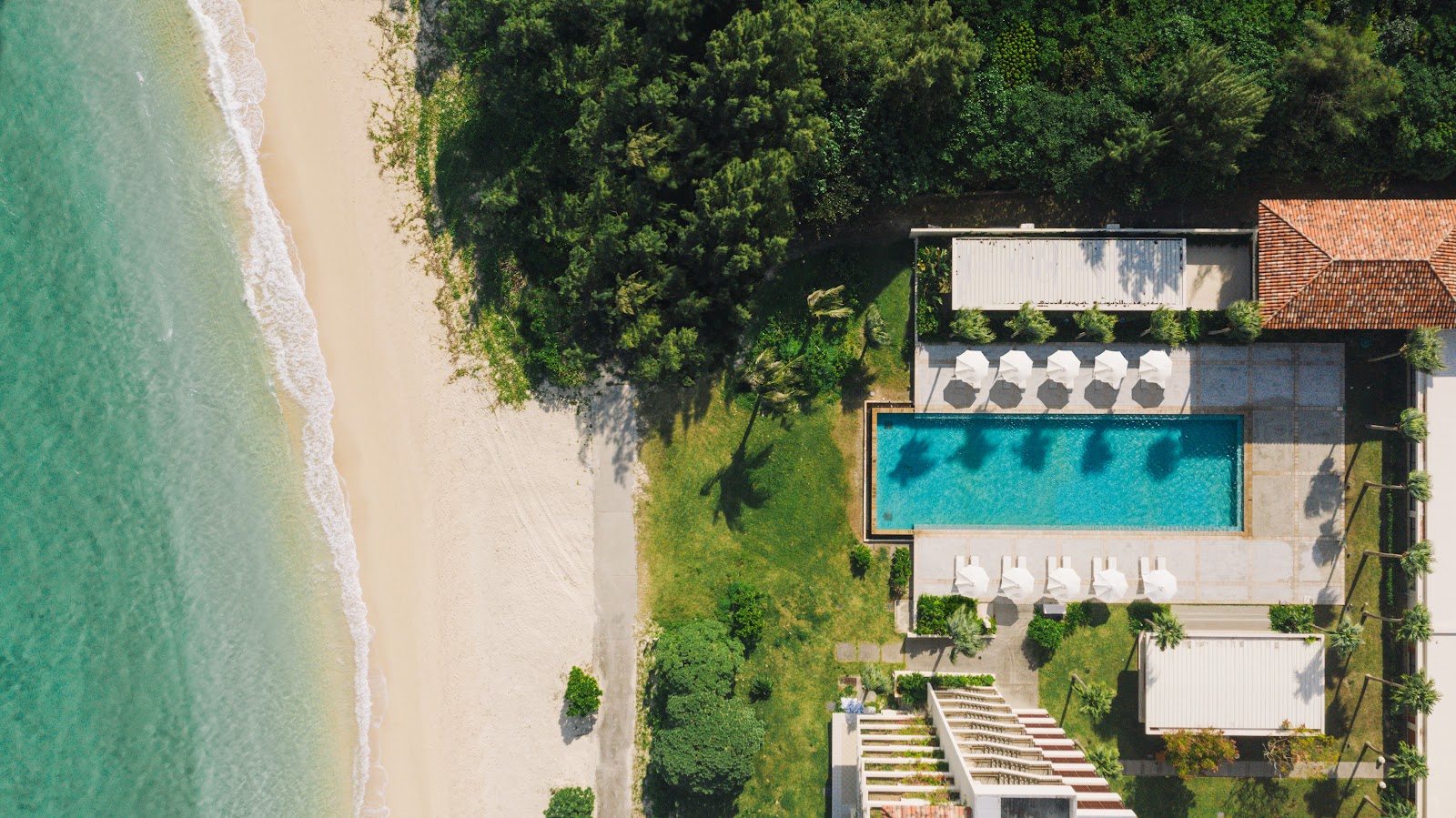
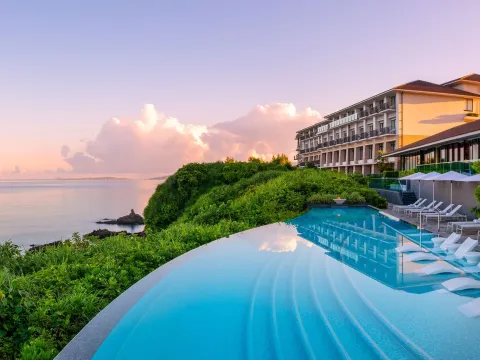
From Kyoda down to the Busena peninsula, the coast breaks into small, distinct pockets. One cluster of hotels in Nago sits directly on compact sandy beaches, with an outdoor pool just above the shoreline and guest rooms stacked to maximize the view. Another cluster occupies low headlands, where terraces are cut into the slope and the ocean feels closer, almost at eye level from your room, especially in higher categories.
The Busena area is the most developed. Here you find large resort Okinawa properties with multiple pools, several restaurant options, and a clear focus on guests who plan to stay on site most of the day. A few kilometres north, smaller Okinawa hotel complexes feel more discreet, with fewer buildings and more garden between them. The trade-off is simple: more facilities versus more quiet, and you feel it in everything from lobby lounge buzz to how busy the beach becomes at sunset.
On the eastern side of Nago, around the bay near Route 331, the mood changes again. Hotels tend to be lower rise, the beaches narrower, and the atmosphere closer to a residential neighborhood. You lose the dramatic sunset view but gain easier access to local life – small izakaya, family-run eateries, and the everyday rhythm of Okinawa Japan beyond the resort gates. For some guests, this side of Nago offers a more authentic, low-key version of a hotel in Nago Okinawa Japan.
Room types, views and what to check before you book
Room descriptions in Nago hide important nuances. “Ocean view” can mean a full, frontal panorama from a wide terrace, or a partial glimpse over a car park and palm trees. Before you commit to a room night, check whether the room faces directly west, southwest, or at an angle toward the bay; the difference decides whether you watch the sun drop into the sea or only catch reflected light on the water and hills.
Most upscale hotels offer a clear hierarchy of rooms: standard guest rooms on lower floors, larger corner rooms with wraparound windows, and suites with extended balconies or private terraces. Some properties add club wellness floors or dedicated wings where adults have access to quieter lounges, separate pool outdoor areas, or more personalized front desk service. If you value calm, these sections are usually worth the premium, particularly on weekends and during school holidays.
Families should look closely at bedding and layout. Not every room comfortably fits three or four guests, even if the maximum occupancy suggests it. Ask yourself how you will actually use the space – afternoon naps, in-room dining, or simply sleeping – and whether a slightly larger category will change the stay. For longer trips, a small seating area or a terrace deep enough for two chairs and a table often matters more than an extra square metre on paper, especially in ocean view rooms where you will spend time just watching the sea.
Beach access, pools and wellness culture in Nago
Sand quality varies along this coast. Some Nago beaches are natural, with a mix of coral fragments and fine grains, while others are carefully maintained strips in front of a resort. If you plan to swim daily, check whether the hotel’s beach is directly accessible from the grounds or reached by a short shuttle or path. Direct access makes spontaneous early-morning swims or late-evening walks much more likely and is a key difference between the best hotels in Nago and more urban Okinawa hotel options.
Pool culture is strong in this part of Okinawa. Many hotels combine a main outdoor pool with a quieter secondary pool outdoor space, sometimes reserved for adults. A few properties add an indoor pool for days when the weather turns or for guests who prefer lane swimming to lounging. The atmosphere around each pool differs: some play music and encourage a resort Okinawa mood, others keep noise low and focus on relaxation, with shaded cabanas and poolside service.
Wellness in Nago often leans toward thalassotherapy – treatments and pools using heated seawater. Facilities branded as wellness thalasso or thalasso Busena typically offer circuits of jets, baths, and relaxation areas that face the sea. These are not just spa add-ons; they can shape your entire rhythm, from a morning seawater session to a quiet afternoon tea in a nearby lounge. If you are serious about recovery and rest, prioritize hotels with integrated wellness zones rather than simple massage rooms, and look for packages that bundle room night, breakfast, and thalasso access.
Dining, lounges and how you will actually spend your evenings
Evenings in Nago are slow by design. After sunset, most guests drift from the beach or pool to the lobby lounge, where soft lighting, live music on some nights, and a clear view of the water set the tone. This is where you feel the character of a hotel most strongly – in the way staff remember your preferred drink, in how easily you find a quiet corner, in whether the space invites you to linger rather than rush through to dinner.
Restaurant options in the larger resorts usually span Japanese, Okinawan, and Western menus, sometimes with a dedicated grill or teppan counter. Smaller hotels may focus on a single main restaurant with a concise menu that changes seasonally. If food is central to your trip, check how many outlets are on site and whether they welcome outside guests; a restaurant that attracts diners from other hotels in Nago is often a good sign and can make a hotel in Nago Okinawa Japan feel like a local dining hub.
Afternoon tea has become a quiet ritual in several high-end properties along this coast. Served in a terrace club lounge or a sea-facing café, it offers a different way to enjoy the view without the formality of dinner. For adults traveling without children, this mid-day pause – tea, local sweets, maybe a glass of sparkling wine – can become the anchor of the day, especially when combined with a late swim or a walk along the beach before returning to the lobby lounge for a final drink.
Access, movement and choosing the right base in Nago
From Naha Airport to the main resort strip in Nago, the drive along the expressway and Route 58 takes roughly 70 to 90 minutes, depending on traffic. Some higher-end hotels provide an airport shuttle at fixed times, while others rely on taxis and rental cars. If you plan to explore beyond the property – to Cape Hedo, the aquariums in Motobu, or the cafés around Kise – renting a car remains the most flexible option and is often cheaper than multiple long taxi rides.
Distances here are measured in short, manageable segments. From the Busena area to central Nago city, with its local restaurants and shops along Route 58 and the streets near Nago City Hall, you are only a few kilometres away. A hotel a few miles further north may feel more secluded, but you will spend more time in transit for every dinner outside the resort. Decide whether you prefer to be anchored near a cluster of services or slightly removed in exchange for extra quiet and darker, starrier nights.
Inside each property, pay attention to how movement is organized. Some resorts spread guest rooms across several wings, with long internal corridors and elevators that connect directly to the beach and pool levels. Others are more vertical, with a compact footprint and a central core that leads from the front desk to the sea in just a few steps. If mobility or simplicity matters to you, this layout – rarely highlighted in reviews – can significantly shape your stay and is worth checking on hotel maps or photos before you book.
Service style, atmosphere and who Nago suits best
Service in Nago’s upper-tier hotels tends to be quietly attentive rather than theatrical. You feel it at the 24-hour front desk when staff handle early check-in after a long flight, or when they arrange a last-minute taxi for a dinner reservation in town. The best teams anticipate patterns – the family that always needs extra towels after the pool, the couple who prefers a specific table on the terrace – and adjust without fuss, which is part of what makes the best hotels in Nago stand out.
The overall atmosphere leans toward relaxed refinement. Guests move between the lobby lounge, the beach, and the pools in resort wear, but there is an underlying sense of order: well-kept gardens, calm public spaces, and a clear separation between lively family zones and quieter corners for adults. If you are looking for nightlife, this is not your area. If you want to hear the sea from your room at night, it probably is, especially in ocean view rooms on higher floors.
Nago works best for travelers who value time and space over constant stimulation. Couples on longer stays, multi-generational families who appreciate both kids’ pools and calm terraces, solo travelers seeking a restorative break – all find the rhythm here natural. When you compare hotels Nago offers, focus less on headline features and more on how you imagine a full day unfolding: wake, swim, breakfast, explore, rest, dinner, one last look at the ocean view from your terrace. If that sequence appeals, Nago is the right choice and a strong alternative to more crowded resort Okinawa areas.
Top Hotels in Nago Okinawa Japan
Nago, on the western coast of Okinawa’s main island, is an excellent choice if you want resort comfort, direct beach access, and easy access to the northern part of Okinawa Japan. The best hotels in Nago combine ocean view rooms, thoughtful service, and strong wellness and pool facilities, often with both outdoor pool and indoor pool options. When choosing among hotels Nago offers, compare room orientation, beach access, wellness thalasso or spa facilities, and how the public spaces – from terrace club lounges to lobby lounges – match the way you like to spend your day. For adults and families seeking a calm, sea-focused stay with good access to nearby nature and sights, Nago stands out as one of Okinawa’s most balanced bases.
FAQ
Is Nago a good base for exploring northern Okinawa?
Yes, Nago is one of the most practical bases for exploring northern Okinawa. From the main resort strip near Busena, you can reach Cape Manzamo, Kouri Island, and the forested Yanbaru region in about 30 to 60 minutes by car, while still having access to a wide choice of hotels, restaurants, and beaches.
What should I check before booking a hotel in Nago?
Before booking, check the exact room orientation and whether the ocean view is full or partial, how close the hotel is to the beach, and whether there is direct access from the property. It is also worth confirming the type of pools available, any wellness or thalasso facilities, and how far the hotel is from central Nago if you plan to dine outside the resort.
Do Nago hotels usually have direct beach access?
Many higher-end hotels in Nago are built directly on the coastline with private or semi-private beach access from the grounds. However, some properties sit slightly back from the shore or on small headlands, so it is important to verify whether you can walk straight from the hotel to the sand or need to use a path or short shuttle.
Is Nago better for couples or for families?
Nago works well for both, but in different ways. Couples often appreciate the quieter atmosphere, ocean-facing terraces, and wellness facilities, while families benefit from large pools, shallow bays, and spacious guest rooms. If you prefer calm, look for adult-oriented zones or club wellness floors; if you travel with children, prioritize properties with family-friendly pools and easy beach access.
How long should I stay in Nago?
A stay of three to five nights in Nago allows enough time to enjoy the beach and pools, explore nearby sights such as Kouri Island and the northern forests, and still have unstructured days to rest. For travelers using Nago as a base for deeper exploration of northern Okinawa, a week offers a more relaxed rhythm without feeling rushed.