Planning a stay on Ishigaki Island, Japan ? Discover how to choose between town hotels and oceanfront resorts, what to expect from rooms, and who each area suits best.
Why Ishigaki Island is worth planning your whole trip around
Coral-blue water, sugarcane fields, and a sky so dark you can trace the Milky Way with your finger. Ishigaki Island is not a quick detour from mainland Japan ; it is a destination that can quietly become the highlight of a trip. For travelers choosing a hotel on Ishigaki, the decision is less about a single property and more about which version of the island you want to wake up to every morning.
Stay near the main town and you step out to cafés around Misakichō and the ferry terminal, with local izakaya a few minutes’ walk from most hotels. Choose an ocean-facing resort on the western or northern coast and your days revolve around the tide, the reef, and the slow arc of the sun over the Pacific. Both options can feel luxurious, but they suit very different guests and rhythms of stay.
For a first visit, Ishigaki works best as a three to five night hotel base, with day trips to nearby islands such as Taketomi or Iriomote. The island is compact, roughly 30 km across, yet the contrast between town, countryside, and remote beaches is striking. A well-chosen room with an ocean view or a quiet garden terrace becomes more than a place to sleep ; it becomes your lens on this subtropical corner of Okinawa.
Choosing your area: town convenience vs ocean seclusion
Taxi meters start running almost as soon as you leave Ishigaki Airport, so location matters. Hotels clustered around the central bus terminal and the port put you within a short walk of restaurants, local markets, and ferries to the Yaeyama archipelago. This is where you find compact city properties, efficient rather than sprawling, with rooms stacked over several floor levels and a steady flow of business travelers mixed with island hoppers.
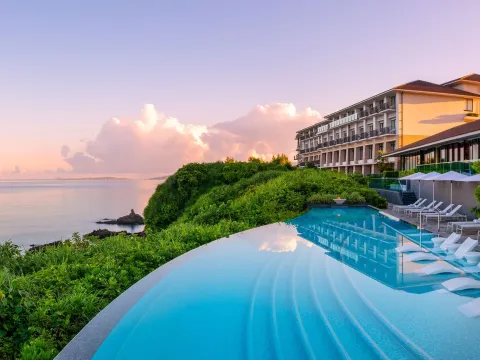
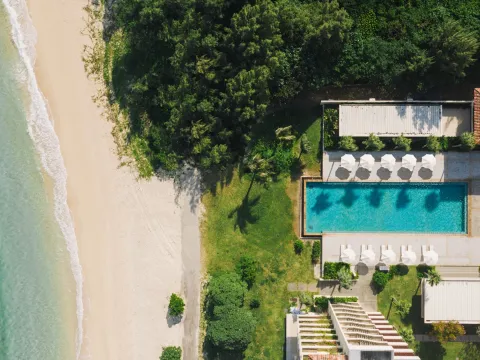
Shift west along the coast road towards the Kabira area and the mood changes. Here, low-rise resort complexes open directly onto the beach, with long lawns, palm trees, and wings of rooms angled to maximize the ocean view. Guests wake to the sound of waves rather than traffic, and the night sky is noticeably darker, ideal for those starry sky photographs Ishigaki is quietly famous for.
Further north, beyond the main ring road, the island thins out into farmland and forest. A handful of secluded properties sit back from the ocean behind limestone walls or in lush gardens, often with fewer rooms and a more private feel. These are better suited to travelers who value silence, slow mornings, and the sense of being far from everything, even if that means a longer drive for dinner or a late-night drink.
Resort-style stays: what to expect from Ishigaki’s coastal hotels
Oceanfront resorts on Ishigaki Island tend to follow a similar grammar : a main building with lobby and restaurants, one or more wings of guest rooms, and a direct axis from reception to the beach. You walk through cool stone or tile, past a bar with a wide terrace, and the horizon opens in front of you. The best-designed properties use this procession deliberately, so that every arrival and every return from the pool feels like a small reveal of the ocean.
Rooms in these coastal hotels are usually larger than in town, with sliding windows or balconies that frame the sea or the gardens. Many offer a choice between an ocean wing and a garden or harbor wing, a trade-off between uninterrupted views and slightly more sheltered, quieter corners. For couples, a higher floor with a clear ocean view is worth prioritizing ; families might prefer ground-level rooms that open towards lawns where children can move freely.
Breakfast becomes a central ritual in this style of stay. Expect generous buffets with Okinawan touches – local fruits, island vegetables, perhaps sata andagi doughnuts – alongside international standards. A good resort will let you linger over coffee while watching the light shift over the reef, turning a simple meal into a slow start to the day. At night, the same dining spaces often dim the lights, letting the darkness outside and the sound of the waves carry more of the atmosphere.
Staying in town: Ishigaki-jima for ferries, food, and flexibility
Streets around the Euglena Mall and the ferry terminal form the practical heart of Ishigaki-jima. Hotels here are rarely about the pool or the private beach ; they are about access. You step out of the lobby and within a few minutes’ walk you can be boarding a boat to Taketomi, browsing local crafts, or slipping into a counter seat for a plate of Yaeyama soba.
City properties typically stack their rooms vertically, with compact footprints but efficient layouts. A standard room might be smaller than at an Ishigaki resort, yet still comfortable for a few nights, especially if you plan to spend most of your time outside. Higher floors often have partial harbor or town views, while lower floors trade outlook for the convenience of quick elevator rides and easy access to the street.
This area suits travelers who value spontaneity. You can check availability for ferries on the same morning, adjust your plans according to the weather, and return late at night without worrying about long taxi rides along dark coastal roads. For solo travelers or small groups who want to sample multiple islands in one trip, a central night hotel in town is often the most practical base.
Rooms, atmosphere, and what to check before you book
Room categories on Ishigaki can be deceptively similar on paper. “Ocean view”, “harbor view”, “garden view” – the labels repeat across hotels, but the actual experience varies sharply. Before you commit, pay attention to which wing your room sits in, how far it is from the main facilities, and whether the view is angled or truly frontal to the ocean. A room facing west can mean golden sunsets ; a room facing east can mean soft, early light and quieter evenings.
Guest profiles also shape the atmosphere. Larger resorts attract families and groups, especially during school holidays, with pools, casual restaurants, and activity desks that keep guests on property. Smaller town hotels lean towards couples, divers, and independent travelers who spend their days out and return mainly to sleep and shower. Neither is inherently better, but the wrong match can make a stay feel off-key.
When reading hotel reviews, look less at the overall score and more at patterns in comments. Consistent praise for staff attention, breakfast quality, and room cleanliness is a good sign. Repeated mentions of noise, tired rooms, or crowded common areas may matter more than a handful of excellent reviews that focus only on the ocean view. For a premium stay, it is worth confirming details such as whether your chosen floor is accessible by elevator only, how far it is to the nearest beach, and if any complimentary services – for example, a free shuttle between the hotel and Ishigaki Airport – are offered.
Who each Ishigaki hotel style suits best
Couples planning a slow, restorative stay tend to be happiest in ocean-facing resorts with generous balconies and direct beach access. The ability to drift between room, pool, and shore without watching the clock is a quiet luxury, especially when the night sky is clear enough to see constellations from a deck chair. If you imagine long evenings listening to the waves rather than the hum of town, prioritize a resort setting.
Active travelers – divers, snorkelers, hikers – often benefit from a split stay. Two or three nights in town for early ferries and flexible dining, followed by a few nights in a more remote wing of an island resort once the main excursions are done. This pattern lets you enjoy both the convenience of Ishigaki-jima’s compact center and the slower rhythm of the coast without constant transfers.
Families with younger children may prefer properties where everything is contained : on-site restaurants, easy beach access, and simple logistics from room to pool to breakfast. In that case, check how far the kids’ facilities are from your room, whether the beach is sandy or rocky at low tide, and how long the drive is from Ishigaki Airport. For multi-generational trips, consider booking adjacent rooms on the same floor rather than a single large suite ; it often gives grandparents a little more quiet while keeping everyone close.
Practical tips for a seamless Ishigaki hotel stay
Seasonality shapes the island more than many first-time visitors expect. April to June and September to November usually bring the most pleasant balance of warmth and manageable humidity, which in turn affects how you experience your hotel’s outdoor spaces. During these months, terraces, balconies, and open-air lounges become true extensions of your room, not just decorative extras.
Transport logistics are straightforward but worth planning. Most properties sit within a 30 to 40 minute drive of Ishigaki Airport, with taxis lined up outside the terminal and buses connecting to the central station near the port. If you plan to explore beyond the immediate beach – for example, up towards the lighthouse at Hirakubo-zaki or inland to the sugarcane fields – renting a car for at least part of your stay gives you more freedom than relying on sporadic buses.
At the booking stage, think in terms of daily rhythm rather than just amenities. If sunrise swims appeal, choose a hotel where the beach is a genuine two or three minute walk from your room, not a distant strip across a road. If you know you will return late from dinners in town, a central night hotel may make more sense than a remote resort. And if stargazing is on your list, look for properties that keep light pollution low in their gardens and along the shore, allowing the starry sky above Ishigaki to be part of your stay rather than a missed opportunity.
Is Ishigaki Island a good choice for a first trip to Japan?
Ishigaki Island works well for a first trip to Japan if you combine it with time in a major city such as Tokyo or Osaka. The island offers a very different pace, with coral reefs, quiet beaches, and a compact town center that is easy to navigate. Hotels range from efficient city properties near the port to full-scale resorts on the coast, so you can match your stay to your comfort level. For travelers who value nature, ocean views, and a slower rhythm after urban sightseeing, Ishigaki is an excellent complement.
How many nights should I stay on Ishigaki for a hotel-based holiday?
A stay of three to five nights is ideal for most travelers using Ishigaki as a hotel base. Three nights allow you to settle into one property, enjoy at least one full day on the beach, and take a day trip to a nearby island. Four or five nights give you time to explore different parts of Ishigaki itself – from Kabira Bay to the northern cape – without rushing. If you plan multiple excursions or a split stay between town and a resort, lean towards the longer end of that range.
Is it better to stay in Ishigaki town or at a beach resort?
Staying in Ishigaki town is better if you prioritize easy access to ferries, restaurants, and shops, and if you expect to be out most of the day. A beach resort suits travelers who want the hotel itself to be the main destination, with direct ocean access, pools, and more spacious rooms. Many visitors choose a combination : a couple of nights in town for flexibility, followed by a few nights at a coastal property for relaxation. The right balance depends on how much you value convenience versus seclusion.
Do hotels on Ishigaki Island offer English-speaking service?
Most higher-end hotels and larger resorts on Ishigaki Island have English-speaking staff at the front desk and in key guest-facing roles. In-town properties used to hosting international travelers are generally comfortable handling check-in, basic questions, and local guidance in English. Smaller or more remote accommodations may rely more on simple English and gestures, but hospitality standards remain high. If language support is important to you, focus on established hotels and resort-style properties.
What should I check before booking a hotel on Ishigaki?
Before booking, confirm the hotel’s exact location, distance from the beach or port, and typical transfer time from Ishigaki Airport. Look closely at room descriptions to understand whether your view is truly ocean-facing or partially obstructed, and which wing or floor you will be in. When reading reviews, pay attention to recurring comments about cleanliness, noise levels, and breakfast quality rather than isolated opinions. Finally, consider how the hotel’s atmosphere – family-oriented, quiet, or activity-focused – matches the kind of stay you want.