Kyoto · Hotels
Tomoya Residence Hotel Kyoto
What convinced us is how much room Tomoya Residence Hotel gives its guests, in a...
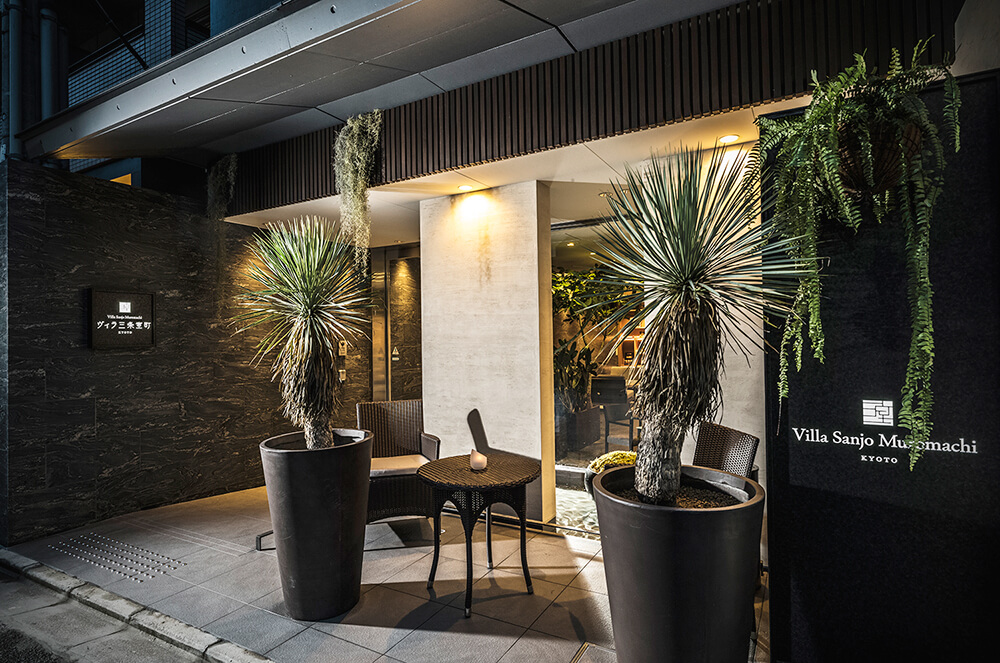
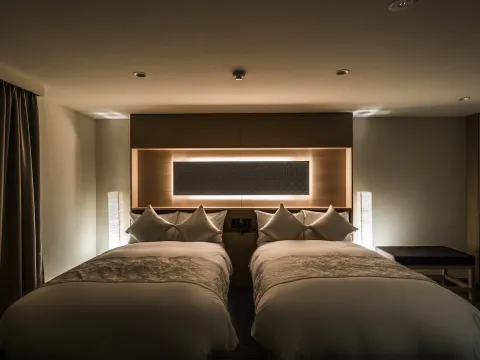
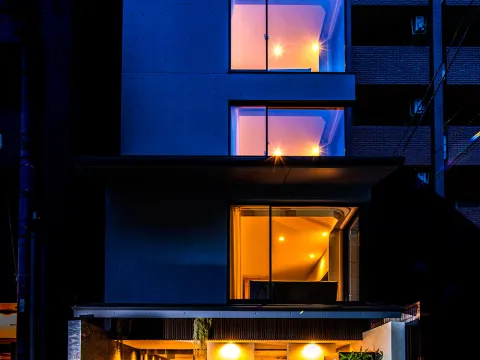
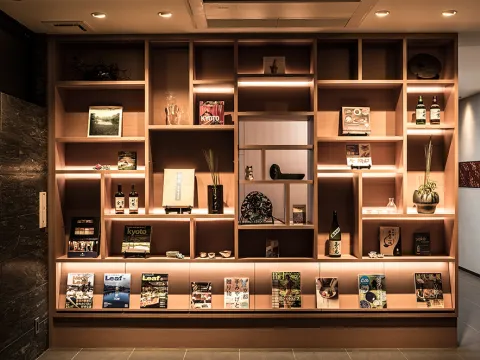
Villa Sanjomuromachi Kyoto opened in July 2016 at the crossroads of Sanjo and Muromachi streets, once the center of the city's kimono textile trade and still lined with the wholesale houses that built that history. The hotel is run by a Kyoto-based publishing company with more than two decades covering the city's culture, and it carries that editorial instinct into the building itself, under a stated design philosophy of innovation learned from tradition and tradition learned from innovation. Rather than commission anonymous furnishings, the owners worked directly with named local makers, from a four-hundred-year-old paper workshop to a Nishijin textile weaver, to fill twelve rooms with objects that have a traceable origin.
We liked this hotel because its small scale, twelve rooms in total, lets that level of sourcing actually show rather than disappearing into a much larger property. Decorative paper comes from Karacho, a workshop with four centuries of history, textiles from the Nishijin weaver HOSOO, and breakfast is served on pottery from named Kyoto kilns rather than generic hotel china. A lacquer piece by artist Yui Higashibata adds a further point of local craft. The hotel states it was listed in the Michelin Guide Kyoto, Osaka 2020 as a recommended place to stay, a recognition that fits a property built around specific, attributable craftsmanship rather than a general sense of luxury.
The Sanjo-Muromachi crossroads sits in one of central Kyoto's most historically layered districts, a short walk from Nishiki Market and Nijo Castle in one direction and the Kyoto International Manga Museum in the other. Karasuma Oike subway station, served by both the Karasuma and Tozai lines, is three to five minutes on foot, putting the rest of the city within easy reach without a taxi. During the Gion Festival, the hotel's own materials note that its position on this historic merchant route gives guests a rare close-up view of the festival floats as they pass, a detail tied directly to the neighborhood's old role in the city's trade and festival routes.
Price: EUR EUR EUR / design heritage
Vibe: Craft-driven, intimate, locally sourced
Rooms: 12, across five layouts from Superior Double to a garden Maisonette
Best For: Travelers who care where a hotel's materials actually come from
Our Favorite Thing About the Hotel: Breakfast served on pottery from named Kyoto kilns
Dining: Rouge Bar until past midnight, a first-floor lounge pouring wine and sake
Amenities: Terrace, concierge, private check-in and check-out, family rooms
Attractions: Nishiki Market, Nijo Castle, Kyoto International Manga Museum, Karasuma Oike station
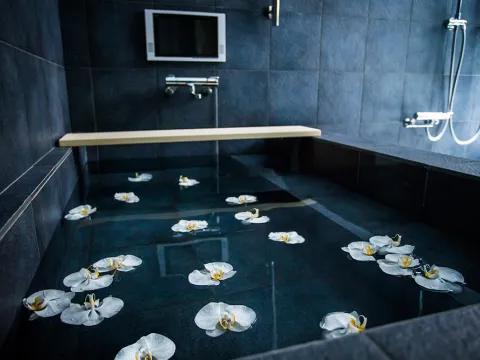
The twelve rooms split into five categories. A single Maisonette Twin, at 65 square meters, is the largest, with its own private garden, a spiral staircase, and a bathroom set on the lounge level rather than tucked beside the bedroom. Three Deluxe Twins and three Deluxe Doubles, each 42 square meters, bring large windows and Simmons beds to a more conventional two-room footprint. Four Superior Doubles keep things compact at 25 square meters with a minimalist aesthetic and Serta beds, and a single Premium Double on the top floor adds a balcony at the same 25-square-meter size. Across all five types, the room count stays small enough that the hotel can still call its check-in private.
The first-floor lounge keeps a shelf of books on Kyoto, contemporary craft, and antique tableware alongside a short list of wine and Japanese sake, more a place to sit with a glass than a conventional hotel bar. Rouge Bar, open from five in the evening until one in the morning, covers the later hours. Breakfast carries the same craft focus as the rooms, served on tableware from named kilns including Kosyun and Ganka, a detail that turns a routine hotel breakfast into another small introduction to the city's working ceramicists rather than an afterthought before checkout.
What convinced us is how much room Tomoya Residence Hotel gives its guests, in a...
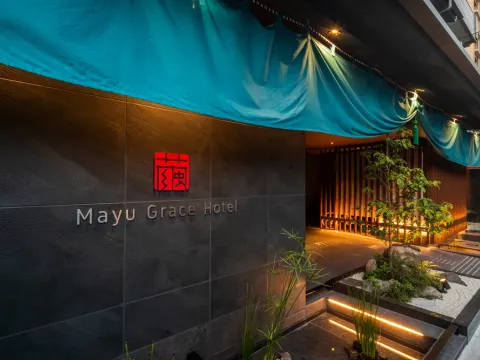
What won us over here is the thought behind every detail, starting with the name....
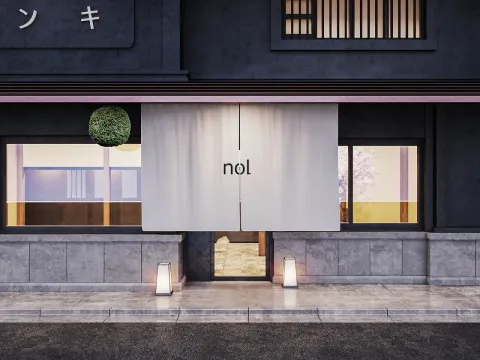
We selected nol kyoto sanjo for what it keeps rather than what it adds: a...