Planning where to stay in Kyoto city? Compare Kyoto Station, downtown Shijo–Kawaramachi, southern Higashiyama, and Imperial Palace–Nijo Castle areas, with example hotels, room sizes, and tips for choosing the best Kyoto hotel or ryokan-style stay for your trip.
Kyoto city at a glance: is it the right place to stay?
Stepping out of Kyoto Station and into the city, you feel it immediately: this is Japan’s former imperial capital, but also a living, working city. Trains slide in under the vast steel-and-glass roof, while buses fan out toward central Kyoto, southern Higashiyama, and the quieter northern districts. For most travelers, staying in Kyoto city itself is the best choice; you gain fast access to temples, restaurants, and transport without sacrificing atmosphere.
The core decision is simple yet decisive. Do you want to be based near the station for seamless day trips, or in downtown Kyoto for evenings spent walking between lantern-lit streets and late-opening cafés? Both areas offer a wide range of hotels in Kyoto, from contemporary towers to intimate properties with a Japanese style of hospitality. Ryokan-style stays, with tatami rooms and onsen baths, are scattered through the city, especially near temple districts.
Kyoto city works particularly well for first-time visitors, short stays of two or three nights, and travelers planning to walk Kyoto’s main sights rather than rely on taxis. The compact centre means that from many hotels, you are within walking distance of the Kamo River, the shopping streets around Shijo and Kawaramachi, and at least one major temple or garden. For a deeper, slower stay Kyoto also rewards longer visits, but the right location matters more than the length of your trip.
Quick area comparison (at a glance)
As of early 2024, broad patterns are consistent even as individual hotel details change. In summary: Kyoto Station excels for rail access and late arrivals; downtown Kyoto (Shijo–Kawaramachi) is strongest for food, nightlife, and shopping; southern Higashiyama offers classic temple scenery and traditional streets; and the Imperial Palace–Nijo Castle zone provides calmer, more residential surroundings with good subway links.
Kyoto Station area: ultra-convenient hub for explorers
Escalators from the Shinkansen platforms bring you almost directly into the station-front hotel zone. Several large Kyoto hotels are located either inside the station complex or within a few minutes walk of the central exit. This area is the most practical base if you plan day trips to Osaka, Nara, or Himeji, or if you are arriving late at night with luggage and want a straightforward arrival.
Representative hotels near Kyoto Station
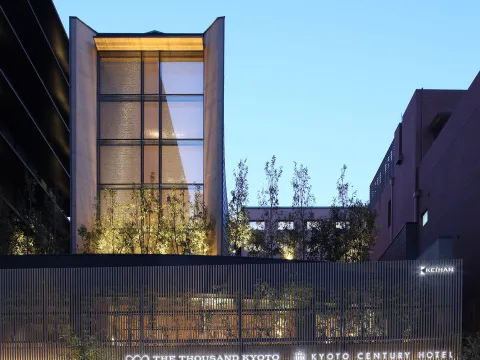
For a full-service option, Hotel Granvia Kyoto sits above the station concourse; standard doubles are typically around 26–30 sqm, with many rooms overlooking the tracks or city skyline (figures based on publicly listed room data in 2023–2024). Just across the road, Kyoto Century Hotel offers slightly smaller rooms (roughly 20–25 sqm) but a calmer lobby atmosphere. Travelers watching their budget often choose Daiwa Roynet Hotel Kyoto Ekimae, where compact doubles of about 18–20 sqm trade space for value and a two to three minutes walk to the central exit.
Rooms here tend to be efficient rather than romantic. Expect clean lines, generous beds, and clear data on room size in square metres (sqm), which helps when comparing a compact twin room with a more spacious corner room. Many properties offer higher floors with wide city views, where previous guests appreciate watching the trains glide in while the mountains darken at sunset. The atmosphere is urban and energetic rather than traditionally Japanese.
The trade-off is distance from Kyoto’s most atmospheric evening streets. From the station, it is roughly a 10 to 15 minutes walk to the edge of downtown Kyoto, or a short ride on the subway north to Shijo or Karasuma. If you value convenience above all else, or if you are travelling with children, heavy luggage, or a tight schedule, the station area is hard to beat. If your priority is to stay Kyoto in its most historic form, you may prefer a different district.
Downtown Kyoto, Shijo and Kawaramachi: best for food and nightlife
Neon reflections on the Kamo River near Shijo Bridge, the hum of conversation spilling from izakaya along Kiyamachi-dori, the glow of lanterns in side alleys off Kawaramachi. This is downtown Kyoto at night, and for many travelers it is the best location to feel the city’s contemporary pulse. Hotels Kyoto offers here range from polished high-rises to discreet properties tucked behind sliding doors on quieter side streets.
Where to stay around Shijo and Kawaramachi
Close to the river, Cross Hotel Kyoto places you about 5 minutes walk from Kawaramachi Station and roughly 10–12 minutes on foot from Gion; standard rooms start around 23–25 sqm, with family-friendly layouts (sizes based on hotel information current to 2023–2024). A little further inland, Hotel Gracery Kyoto Sanjo offers compact but efficient doubles of about 18–20 sqm, around 6–8 minutes walk to the Kamo River. For a more boutique feel, Good Nature Hotel Kyoto near Shijo-dori combines eco-conscious design with rooms typically in the 24–30 sqm range and easy access to Nishiki Market in under 10 minutes walk.
Staying near Shijo or Kawaramachi means you can walk Kyoto’s main shopping streets, duck into depachika food halls, and reach Gion in around 10 to 15 minutes walk depending on your exact address. Central Kyoto in this area is dense and walkable; you can move from a riverside cocktail bar to a traditional soba shop in minutes. Rooms vary widely in sqm, so pay attention to floor plans if you value space for luggage or a separate seating area.
This district suits guests who prioritise dining, bars, and flexible evenings over immediate proximity to major temples. It is also a strong choice if you want to experience both modern Kyoto and its older quarters without long commutes. The compromise is that you are slightly removed from the quiet of temple gardens at dawn, and some streets can feel busy late into the night. For many, that energy is precisely the appeal of a hotel Kyoto stay in the heart of the city.
Southern Higashiyama and the temple belt: for classic Kyoto scenery
Stone-paved lanes climbing toward the hills, wooden townhouses with noren curtains, and the silhouette of pagodas at dusk. Southern Higashiyama delivers the Kyoto of postcards, especially around the slopes leading up from Kiyomizu-michi and the streets of Ninen-zaka and Sannen-zaka. Hotels located in this area often lean into a more traditional, Japanese style of design, with tatami flooring, sliding shoji screens, and views toward temple roofs or small inner courtyards.
Notable stays near the temples
On the lower slopes near Kiyomizu-dera, Hotel The Celestine Kyoto Gion blends modern comfort with Japanese accents; standard rooms are around 23–28 sqm, and you can walk to Yasaka Shrine in roughly 8–10 minutes and to Kiyomizu-dera in about 20 minutes uphill (distances based on typical walking routes as of 2024). For a more intimate ryokan-style experience, Yuzuya Ryokan beside Yasaka Shrine offers tatami rooms that vary from about 20–35 sqm, with kaiseki dinners and a short 10–12 minutes stroll to the Gion-Shijo Station area. Slightly further south, boutique properties around Kiyomizu-michi typically sit within a 15–20 minutes walk of the Kamo River.
Many properties here borrow from the ryokan tradition, even if they operate as modern hotels rather than full-board inns. You may find rooms that combine futon bedding with Western-style bathrooms, or suites that open onto a compact private garden where you can sit with tea after a day of sightseeing. From these addresses, you are usually within walking distance of major sights in southern Higashiyama, while Gion and the Kamo River are often a short taxi or bus ride away.
The atmosphere is quieter once the day-trippers leave, but access can be less straightforward than in central districts. Streets are narrower, slopes steeper, and public transport less direct, which can matter if you plan frequent trips back to the hotel during the day. This area suits travelers who want to wake up near temple bells, accept a little logistical complexity, and treat their stay Kyoto as an immersion in the city’s historic fabric rather than a purely practical base.
Imperial Palace, Nijo Castle and quieter central districts
North of Shijo-dori, the city opens up. Wide avenues, residential streets, and pockets of greenery around the Kyoto Imperial Palace and Nijo Castle create a calmer version of central Kyoto. Hotels located in these neighbourhoods often attract guests who have already stayed in the busier downtown and now prefer a more measured rhythm, or families who appreciate parks and quieter streets.
Calmer central Kyoto options
Near Nijo Castle, ANA Crowne Plaza Kyoto sits just across the road from the castle grounds; standard rooms are typically 22–28 sqm, and Nijojo-mae Station is about 2–3 minutes walk, with trains to Kyoto Station in roughly 10 minutes. Closer to the Imperial Palace, Noku Kyoto offers design-focused rooms around 24–30 sqm, about 1–2 minutes walk from Marutamachi Station and roughly 15–20 minutes by subway to Kyoto Station. Smaller guesthouses and apartment-style hotels in this zone often provide extra floor space and kitchenettes, appealing to longer stays.
Staying near the Imperial Palace places you within easy reach of its expansive grounds, which are ideal for morning runs or evening strolls under pine trees. From some hotels, it is a comfortable minutes walk to subway stations that connect back to Kyoto Station or downtown Kyoto without the crowds. Around Nijo Castle, you are close to one of the city’s key historical sites while still being only a short ride from the shopping and dining of Shijo and Kawaramachi.
Rooms in these areas sometimes offer more generous sqm for the same category, with layouts that include a separate living corner or a well-defined workspace. The trade-off is that nightlife is more subdued; you will likely head toward the river or downtown for dinner and drinks. For travelers who value space, calm, and easy access to both cultural sites and transport, this part of Kyoto central can quietly be one of the Kyoto best choices.
Understanding room types, layout and Japanese-style details
Floor plans matter more in Japan than in many destinations. A 22 sqm room can feel either cramped or surprisingly comfortable depending on how the space is organised. When comparing Kyoto hotels, look closely at whether the bed is placed against a wall, how much open floor remains for suitcases, and whether there is a small seating area by the window. For couples or friends, a twin room can sometimes offer more flexibility than a double, especially when beds are slightly separated.
Key layout checks before you book
Scan photos and floor plans for: (1) clear space at the foot of the bed for opening large suitcases; (2) whether the bathroom door swings into valuable floor area; (3) any step up into the bathroom, which is common in Japanese hotels; and (4) the presence of a small desk or table if you plan to work. In many mid-range Kyoto hotels, a standard double runs 18–22 sqm, while more comfortable twins or corner rooms start around 23–28 sqm.
Japanese style details change the experience. Tatami flooring invites you to remove your shoes and move differently; low tables and floor cushions encourage slower evenings in the room. Some hotels in Kyoto city integrate these elements into otherwise contemporary rooms, while others keep a fully Western layout. Decide early whether you want a ryokan-like feel or a more familiar hotel configuration, then filter your options accordingly.
Garden access is another quiet luxury. Even a compact inner garden, visible from a lobby lounge or a handful of rooms, can transform your sense of place. Properties near temple districts sometimes offer views of neighbouring shrine roofs or borrowed scenery from established gardens. In more urban areas like around Kyoto Station or Kyoto Shijo, higher floors trade greenery for sweeping city panoramas. Both have their charm; the choice depends on whether you prefer to feel grounded or elevated above the city.
How to choose the right Kyoto hotel for your trip
Start with your daily rhythm, not with a list of famous names. If your priority is to explore multiple cities by rail, a hotel directly connected to Kyoto Station or within a short minute walk will save time and energy. If you imagine evenings spent wandering along the Kamo River and slipping into small restaurants, focus on addresses around Shijo, Kawaramachi, and the riverfront. For temple-focused stays, southern Higashiyama or the quieter streets west of the hills will feel more aligned.
Top picks by budget and travel style
For convenience-focused stays, mid-range doubles at Daiwa Roynet Hotel Kyoto Ekimae or similar business hotels near the station often fall in the lower price band for Kyoto city, while larger rooms at Hotel Granvia Kyoto or comparable station towers sit in a higher bracket but add facilities and views. Food and nightlife fans usually gravitate toward mid- to upper-mid-range properties like Cross Hotel Kyoto or Good Nature Hotel Kyoto, paying a premium for walkability. For classic Kyoto scenery, ryokan-style stays such as Yuzuya Ryokan or design-forward hotels like Hotel The Celestine Kyoto Gion tend to cost more per night but include richer atmosphere and, in some cases, meals.
Next, match the property style to your comfort level. A full ryokan stay, with set meal times and futon bedding, offers deep immersion but less flexibility. A Kyoto hotel that borrows elements of Japanese hospitality while keeping international comforts can be a more balanced choice for longer trips or mixed-ability groups. Consider who you are travelling with; what delights a solo traveler may not suit a family with young children or older relatives.
Finally, pay attention to the micro-location. Being on the river side of Kawaramachi versus several blocks inland changes how quickly you can walk Kyoto’s most atmospheric streets. A hotel on a quiet lane just off Kyoto Shijo can feel surprisingly residential despite being in the heart of the city. Look at maps, estimate real walking distance to the places you care about most, and choose the address that will make your days flow naturally. That, more than any single amenity, defines a successful stay Kyoto.
Best hotels in Kyoto City Japan: key things to know before you book
Kyoto city is an excellent base for most travelers, offering a compact centre, strong transport links, and a wide range of hotels from contemporary towers to ryokan-inspired properties. The main decision is between the convenience of Kyoto Station, the energy of downtown Kyoto around Shijo and Kawaramachi, the historic charm of southern Higashiyama, and the calmer streets near the Imperial Palace and Nijo Castle. Room size in square metres, layout, and the degree of Japanese style in the design all significantly affect comfort, especially for longer stays. Choosing a location that matches your daily rhythm and preferred evening atmosphere will matter more than any single feature, and is the best way to ensure your hotel Kyoto stay feels both practical and memorable.
FAQ: Where is the best area to stay in Kyoto city?
The best area depends on your priorities. For maximum convenience and easy day trips, the Kyoto Station area is ideal. For dining, shopping, and nightlife, downtown Kyoto around Shijo and Kawaramachi works best. Travelers seeking classic temple scenery often prefer southern Higashiyama, while those wanting calmer streets and parks may choose the districts near the Imperial Palace or Nijo Castle.
FAQ: Is it better to stay near Kyoto Station or in downtown Kyoto?
Staying near Kyoto Station is better if you plan frequent rail trips, arrive with heavy luggage, or value direct transport above all else. Downtown Kyoto around Shijo and Kawaramachi is better if you want to walk to restaurants, bars, and the Kamo River in the evening. Many travelers split their stay between the two for different parts of their trip.
FAQ: What is the difference between a hotel and a ryokan-style stay in Kyoto?
A hotel in Kyoto typically offers Western-style beds, flexible dining options, and familiar services, sometimes with subtle Japanese design touches. A ryokan-style stay focuses on traditional elements such as tatami rooms, futon bedding, and set-course meals, often in a more intimate setting. Some properties blend both approaches, offering Japanese-style rooms within a modern hotel structure.
FAQ: How important is room size in Kyoto hotels?
Room size, usually listed in square metres, is important because many Kyoto hotel rooms are compact by international standards. A few extra sqm can mean space for open suitcases, a small seating area, or a more comfortable twin room layout. For longer stays or for guests travelling with large luggage, checking room dimensions and layout before booking is highly recommended.
Many central Kyoto hotels are within walking distance of key areas such as the Kamo River, Gion, and the shopping streets around Shijo and Kawaramachi. Some temple districts, like parts of southern Higashiyama or the grounds of the Imperial Palace and Nijo Castle, may require a short subway, bus, or taxi ride depending on your exact location. Choosing a hotel close to the sights you care about most will reduce travel time and make your days smoother.