Kyoto · Hotels
Tomoya Residence Hotel Kyoto
What convinced us is how much room Tomoya Residence Hotel gives its guests, in a...
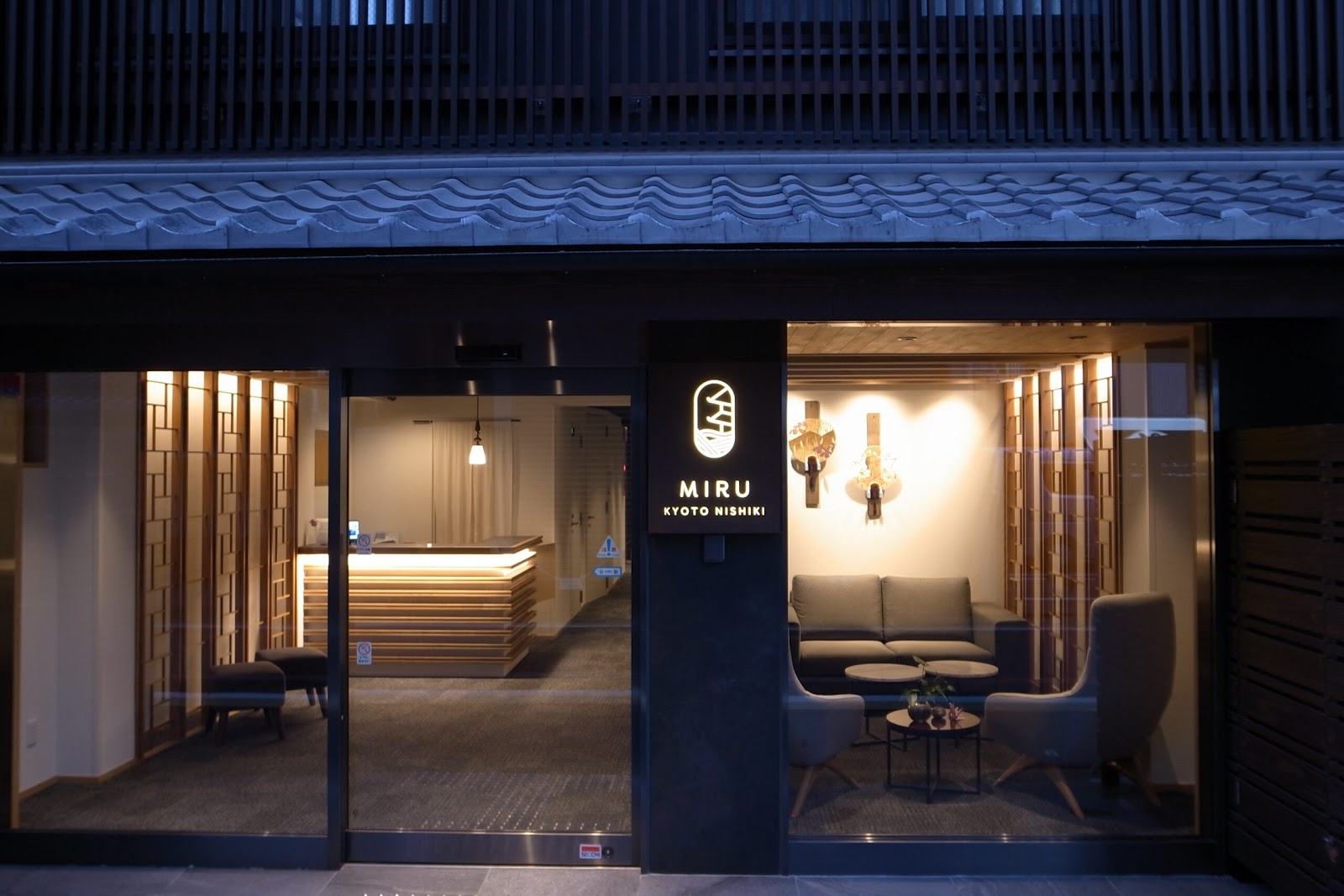
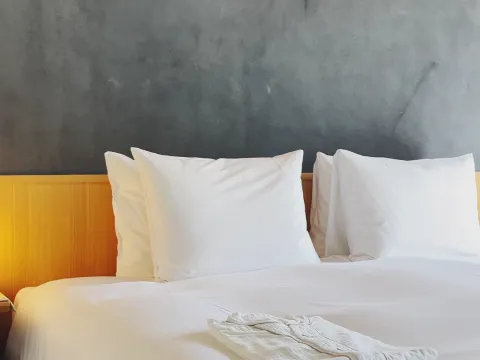
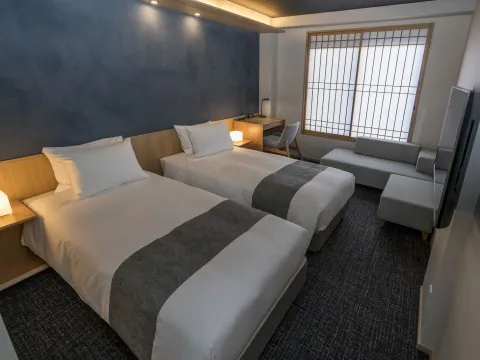
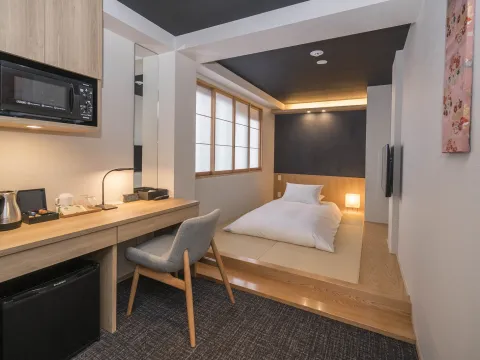
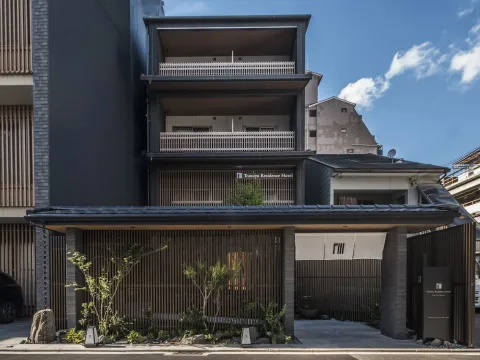
Part of the Miru Collection, a small Japanese group built around “a union of design, nature and culture,” this 23-room property sits on Yanaginobanba-dori in downtown Kyoto, close enough to Nishiki Market to hear the stalls open. The interiors lean on craft rather than minimalism for its own sake: obi sashes, the woven belts traditionally worn with kimono, dress the beds, and timber surfaces run through the public spaces and the rooms alike. It reads as considered rather than themed — a hotel built from a local material language instead of a mood board, in a city where that distinction is easy to fake and hard to deliver.
We chose this address because the design commits to a point of view instead of defaulting to generic Kyoto-boutique neutrals. Reusing obi as decor is a specific, researched choice, not a motif borrowed for effect, and it shows up alongside practical comforts guests actually use: a 43-inch screen, a kettle with coffee pods, and a complimentary smartphone pre-loaded with data and domestic calls. Rooms run a little larger than the Kyoto average, so the design has room to breathe instead of being squeezed into a standard footprint, and the 558 reviews behind its 9.5 score suggest the idea holds up beyond a first impression.
Yanaginobanba-dori places the hotel a short walk from Nishiki Market’s few hundred metres of food stalls and specialty shops, with Karasuma Station five minutes on foot for onward trains toward Gion, the Imperial Palace or the Kamo River. It’s a working downtown street rather than a tourist strip, which keeps the neighbourhood close to how Kyoto residents actually use it — bakeries, cafés and izakaya rather than souvenir shops lined up for coach groups.
Prix: €€€
Vibe: crafted, warm, downtown, understated
Chambres: 23 Western-style ensuite rooms, slightly larger than the Kyoto average
Best For: travellers who want to walk everywhere and skip a resort-style lobby
Our Favorite Thing About the Hotel: obi sashes from kimono repurposed as bedroom decor
Dining: no on-site restaurant — Nishiki Market and its bakeries and cafés sit at the door
Amenities: complimentary smartphone with data and domestic calls, 43-inch smart TV, coffee machine with pods
Attractions: Nishiki Market, Karasuma Station (Hankyu line), downtown Kyoto on foot
The Miru Collection describes its properties as “a union of design, nature and culture,” and the Kyoto house follows through on that rather than treating it as a slogan. Obi sashes on the beds and timber throughout are the most visible signals, but the effect is less about any single object than a consistent material logic running from the entrance to the rooms — the kind of detail that rewards a second look rather than announcing itself on arrival. It’s the same instinct the brand applies at its sister properties in Niseko and Amami, adapted here to a dense downtown footprint instead of open landscape.
Rooms carry the practical additions that make a longer city stay easier: a 43-inch smart TV, a microwave and dishes, a coffee machine with pods, and notably strong water pressure in the shower, a detail Kyoto guests flag often enough to be worth naming. The complimentary smartphone, loaded with data and free domestic calls, removes the usual friction of a foreign SIM for a short stay, and staff are consistently singled out as attentive rather than merely polite.
There is no on-site breakfast, which suits a location built around Nishiki Market’s own food culture rather than a hotel dining room. Mattresses and pillows run on the firmer side, worth knowing if that’s a dealbreaker. It fits travellers who want a crafted, design-led base within walking distance of central Kyoto, over those after a full-service resort experience with pools, spas or multiple restaurants on site.
What convinced us is how much room Tomoya Residence Hotel gives its guests, in a...
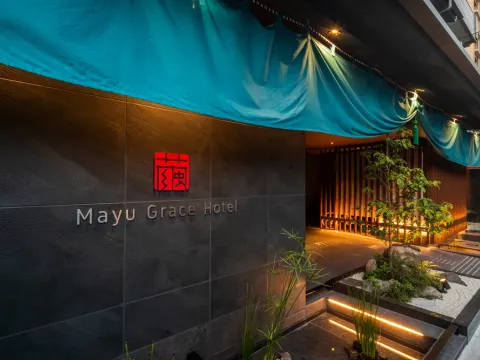
What won us over here is the thought behind every detail, starting with the name....
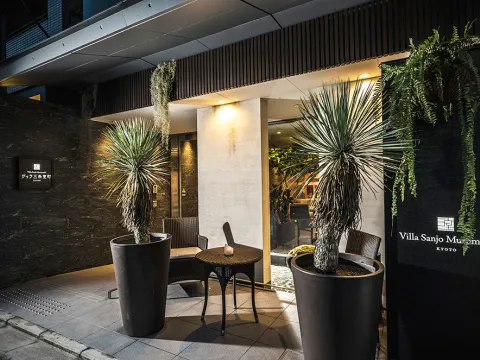
We liked Villa Sanjomuromachi Kyoto for how deliberately it sources its own interior: decorative paper...