Kyoto · Hotels
Tomoya Residence Hotel Kyoto
What convinced us is how much room Tomoya Residence Hotel gives its guests, in a...
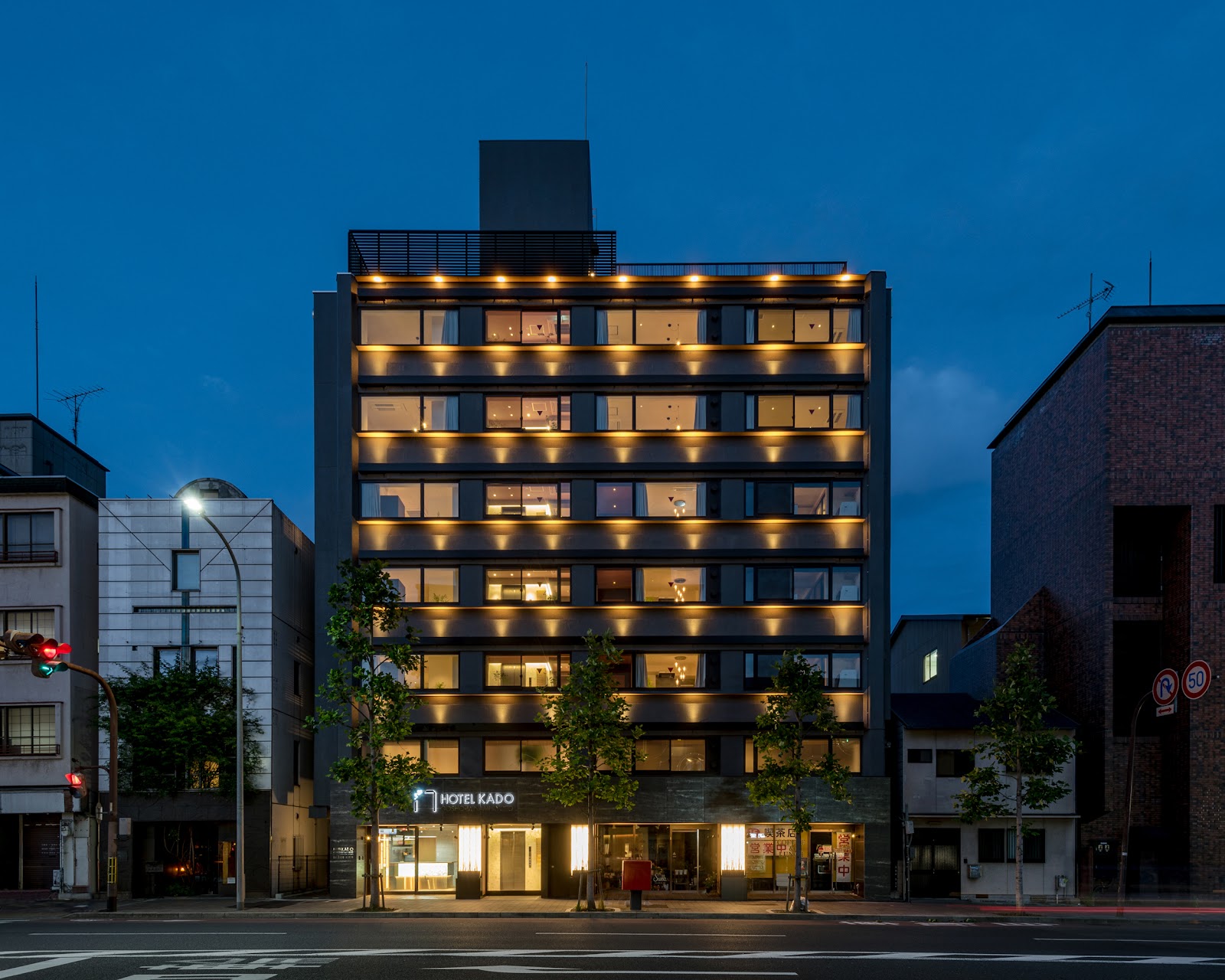
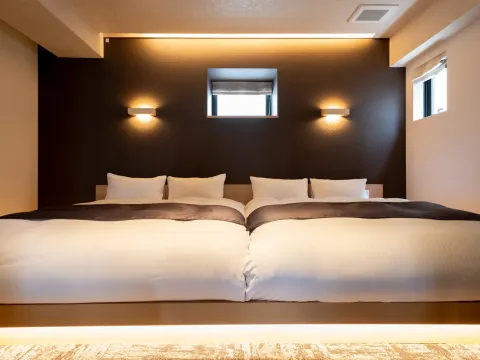
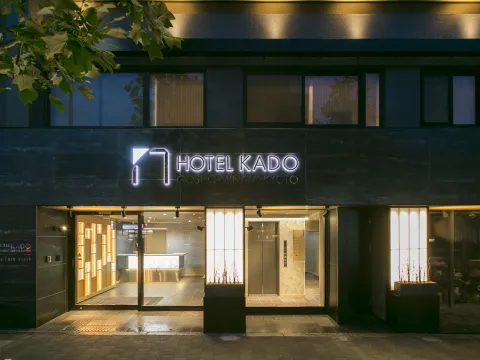
Hotel Kado occupies a former office building at the corner of Karasuma-dori and Marutamachi-dori, directly across from the Kyoto Imperial Palace, and its Japanese name plays on that position: kado means both corner and gate. The design team, led by Junpei Fujitani with design work by Tatsuya Yamada, built the whole property around a single idea rendered in English on the hotel's own site as living, not staying, converting the block into condominium-style rooms rather than standard hotel floors. The result feels closer to borrowing a well-designed Kyoto apartment than checking into a hotel room.
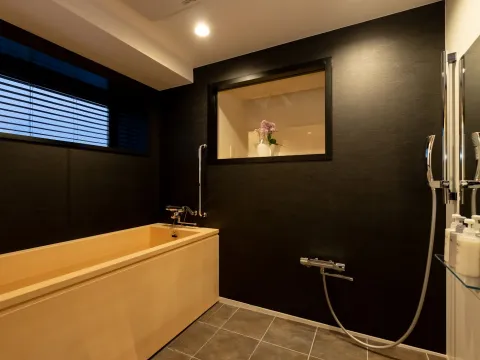
We chose this address because the living concept runs all the way to the fittings: every room keeps a kitchenette, a hinoki wood bathtub and hand-folded origami decorations rather than the framed prints and minibar of a standard business hotel. A dining table cut from a single piece of Tochigi wood anchors the ground floor, and the facade itself was redesigned with new eaves to sit comfortably in a streetscape opposite the Imperial Palace. Few hotels in this price bracket commit this far to a single design idea.
The hotel sits directly across from the Kyoto Imperial Palace and its surrounding park, in the Nakagyo Ward, reachable via Marutamachi Station on the Karasuma subway line. That puts central Kyoto's shopping streets, the Nijo Castle grounds and the Gion district within a short subway ride or a longer walk, while the immediate neighbourhood stays quiet, residential and close to one of the city's largest green spaces rather than sitting inside the tourist-dense blocks nearer Kyoto Station.
Price: Premium
Vibe: converted office block, residential, design-led
Rooms: 13, condominium-style with kitchenettes
Best For: travellers wanting to settle into Kyoto rather than pass through it
Our Favorite Thing About the Hotel: the single-piece Tochigi-wood dining table anchoring the ground floor
Amenities: hinoki wood bathtubs, hot-spring mist therapeutic room, small courtyard garden, rooftop terrace
Attractions: Kyoto Imperial Palace (across the street), Nijo Castle, Gion district
Getting Around: Marutamachi Station, Karasuma subway line, Exit 3
The ground-floor dining area is built around a table made from one piece of Tochigi wood, a material choice the design team singled out as the room's centrepiece rather than a side detail. Around it, the layout was planned to bring together a counter kitchen and a slightly raised floor area meant to encourage guests to linger and talk rather than eat and leave, with a small courtyard and water feature giving the room a semi-outdoor feel despite sitting inside a converted office block.
Each room's hinoki wood bathtub brings a material long associated with Japanese bathhouses and temple architecture into a private ensuite, and the hotel adds a hot-spring mist therapeutic room to the building's shared amenities, a detail more associated with an onsen ryokan than a city hotel. Combined with the origami Orihana decorations placed through the entrance, front desk and rooms, the bathing and design details read as a deliberate, unified statement about Kyoto craft rather than scattered decorative touches.
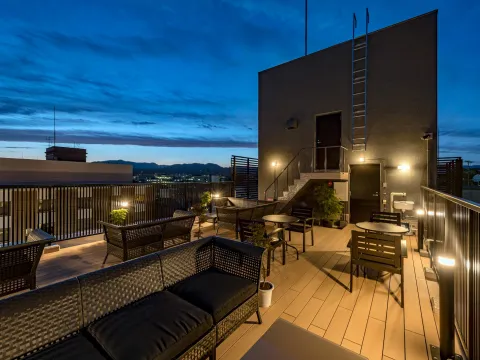
A rooftop terrace gives the hotel its one clear view over the neighbourhood, looking across the low rooflines that still define much of central Kyoto near the Imperial Palace. It functions as a shared dining and gathering space for guests, the kind of vantage point a converted office building would not have offered in its previous life, and it rounds out a property built as much around communal, apartment-style living as around any single room.
What convinced us is how much room Tomoya Residence Hotel gives its guests, in a...
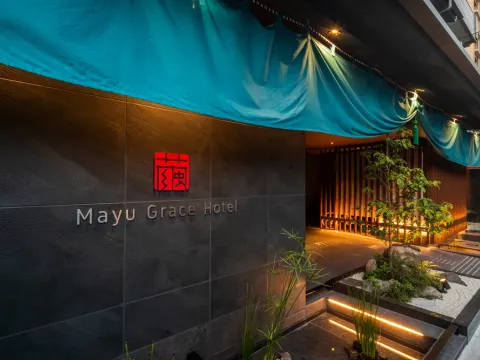
What won us over here is the thought behind every detail, starting with the name....
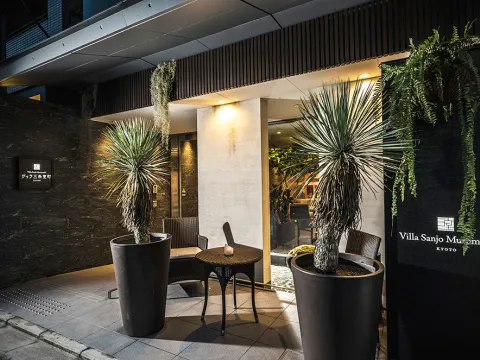
We liked Villa Sanjomuromachi Kyoto for how deliberately it sources its own interior: decorative paper...