Kanazawa · Hotels
HOTEL 101 KANAZAWA
What won us over here is scarcity by design: this restored Kanazawa machiya holds a...
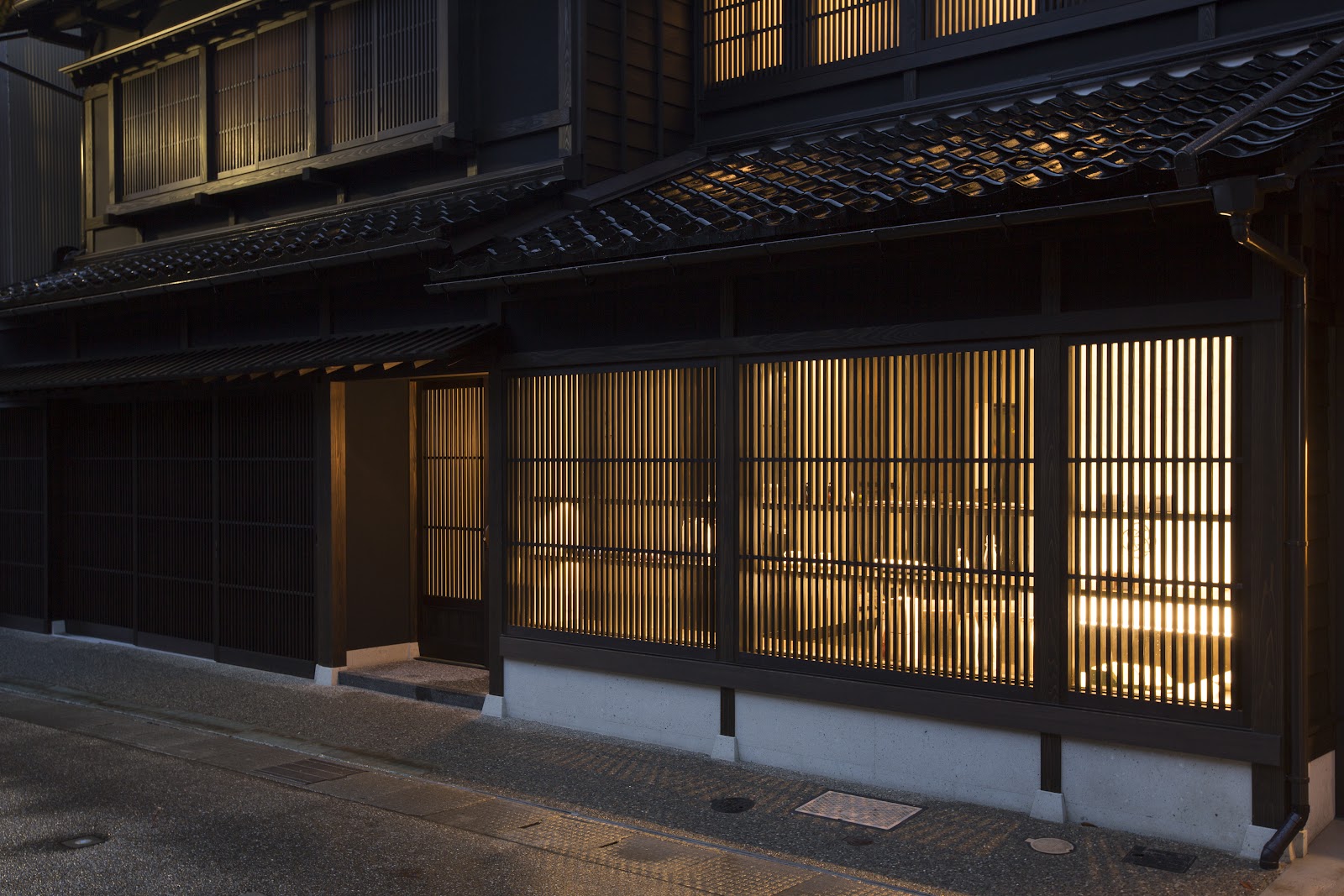
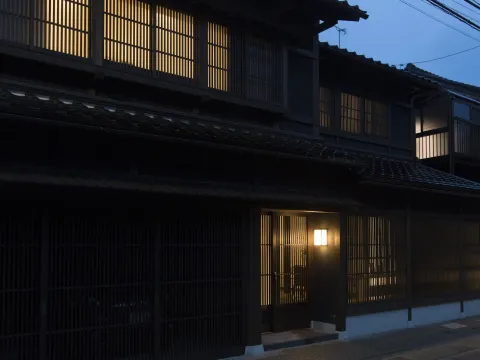
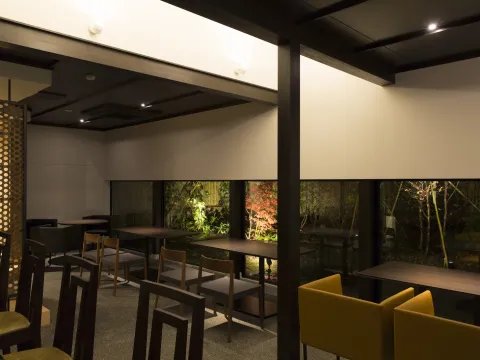
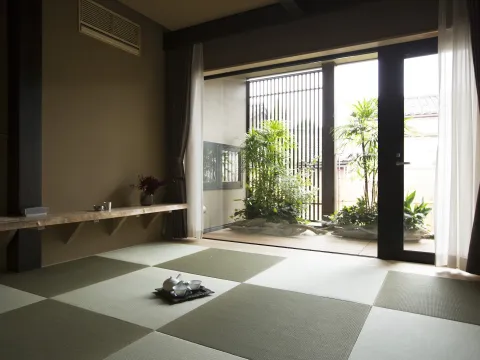
Maki no Oto sits inside Higashi Chaya, Kanazawa's best-preserved geisha quarter, in a building whose design was singled out by the city government for respecting the old town's character rather than working against it. The ryokan runs on an intimate scale, a handful of rooms split between a Japanese-style main house and a newer annex, and the whole property reads less like a hotel with a restaurant than a serious kitchen that happens to have beds attached, in a town better known for its craft traditions than its dining scene.
We chose this address because it takes cuisine as seriously as the setting, plating avant-garde Japanese cooking on locally made Kutani ceramics and offering the choice between chef-counter seating and a table facing the garden. A property this small in a district this historic could easily coast on location alone; instead it earns its place on the strength of what arrives at dinner, and the city's own recognition of its design confirms it is not simply borrowing the neighborhood's reputation to sell an ordinary stay at a premium.
Higashi Chaya's lattice-fronted teahouses and narrow streets are among the most complete examples of a geisha district left in Japan, and staying inside it rather than in central Kanazawa changes the rhythm of an evening: the crowds thin after the shops close, and the neighborhood's own geisha and tea-house culture becomes something to arrange an evening around rather than glimpse in passing on a daytime walk through with everyone else.
Prix: €€€€
Vibe: intimate, food-led, deeply local
Chambres: a small handful, split between Japanese-style and contemporary Western rooms in a main house and annex
Best For: food-focused travelers wanting Kanazawa's old town as a base, not a backdrop
Our Favorite Thing About the Hotel: dinner at the chef's counter, watching Kutani-plated courses come together course by course
Dining: avant-garde Japanese cuisine, seasonal breakfast from regional produce, counter or garden-view seating
Amenities: private check-in, garden and terrace, concierge arrangements for geisha performances and sake tastings
Attractions: Higashi Chaya's teahouse streets, the Noguchi Naohiko sake institute nearby, central Kanazawa a short taxi away
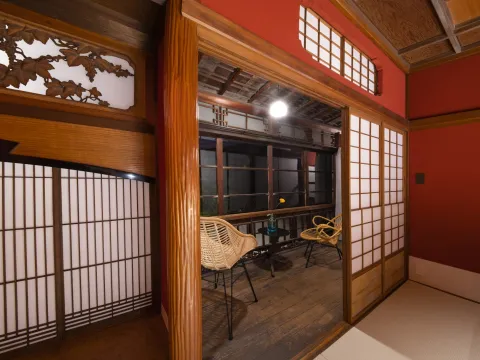
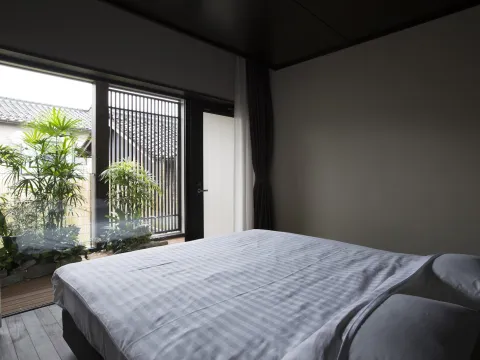
The main house pairs a Japanese-style room with tatami and twin beds against a Western-style room built around a queen bed, while the annex adds a tatami room facing the garden and a more contemporary Western space. None of the four reads as a variation on the others, which suits a property built around individual attention rather than a repeatable template, and it gives returning guests a reason to book a different room next time.
Concierge arrangements can extend a stay into the neighborhood itself: a private geisha performance, or a guided visit and tasting at the nearby Noguchi Naohiko sake institute, both drawing on Higashi Chaya's own traditions rather than a generic hotel activity list. It turns a night at the ryokan into an entry point for the district's culture rather than a self-contained stay that could sit anywhere in the city.
With only a few rooms across the whole property, availability is the main constraint, particularly around Kanazawa's autumn foliage and spring seasons, and the intimate scale means this suits a couple or a small party rather than a larger group. Travelers who want extensive resort facilities alongside their ryokan stay should look toward a larger property; the appeal here is precision, not scale, and it rewards travelers who have already done Kanazawa's major sights and want the city's quieter, more considered side instead.