Kanazawa · Hotels
Maki No Oto Kanazawa
Our pick here comes down to scale and cuisine in equal measure: a handful of...
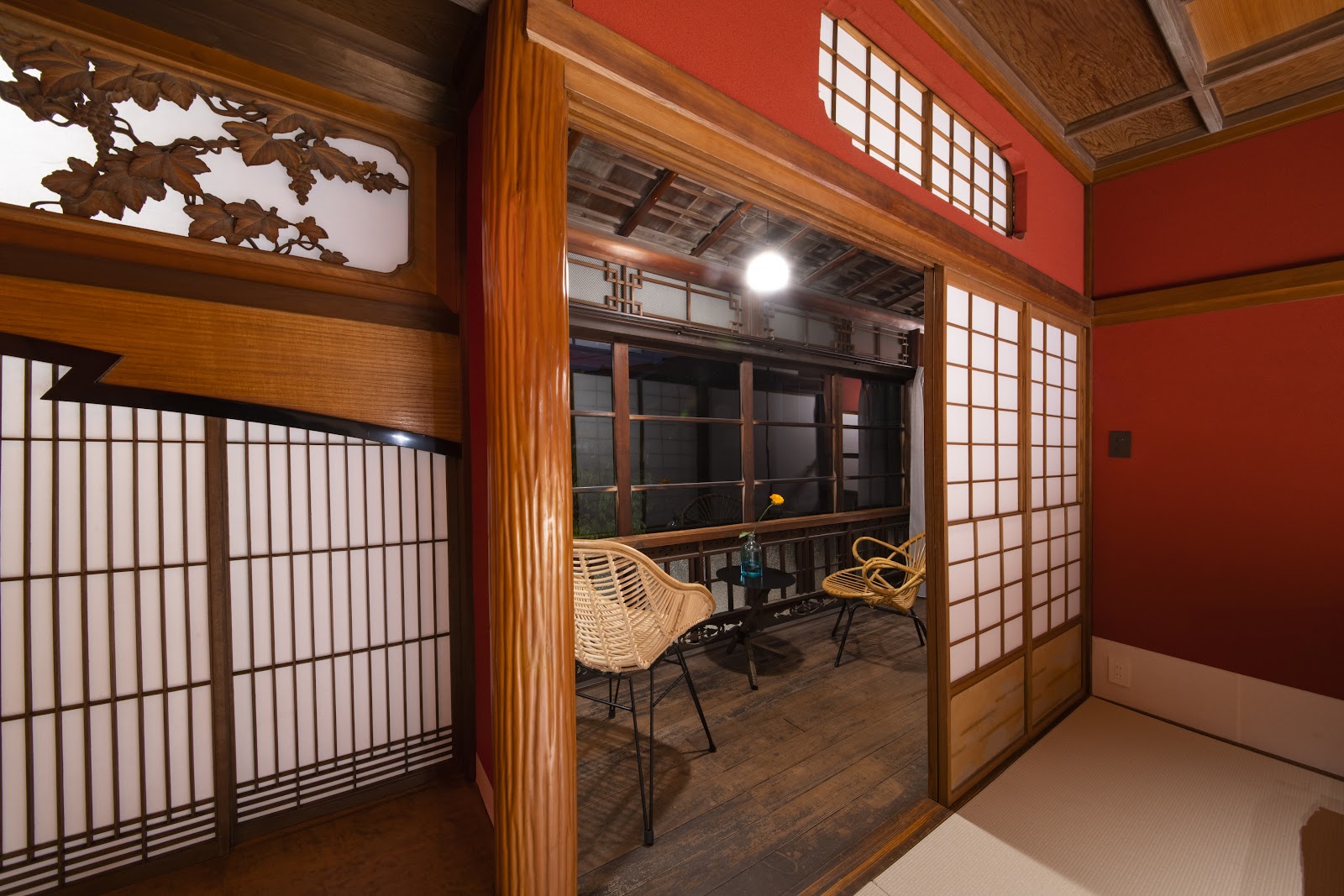
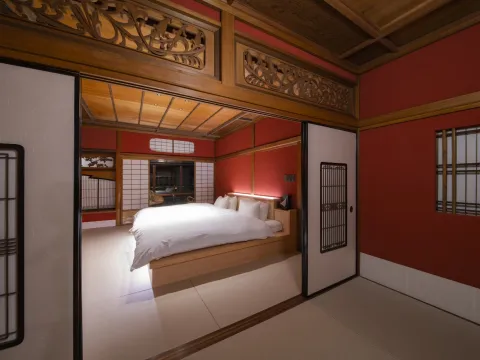
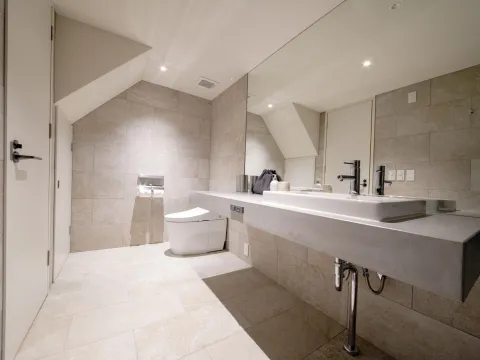
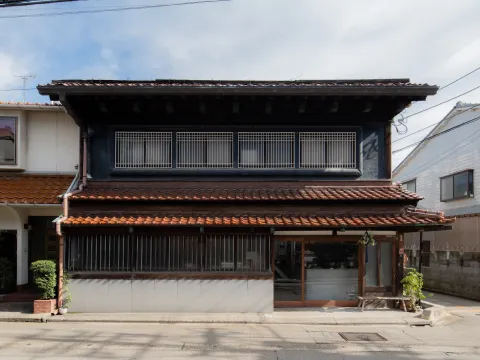
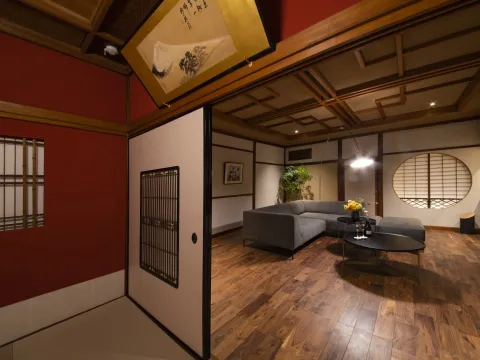
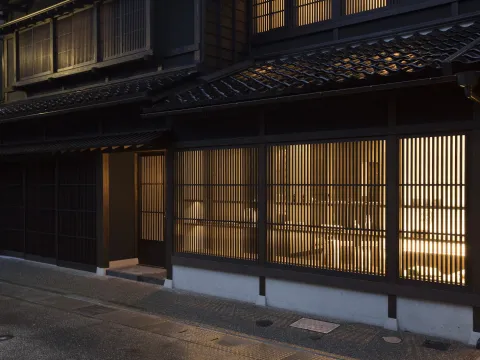
Downtown Kanazawa is full of restored townhouses turned into shops and cafes, but Hotel 101 takes the idea further: the century-old machiya has been converted into a single suite, booked whole, one party per night. Original timber framing and sliding screens sit alongside modern comforts, and at the centre of the building a hidden inner garden does the work a courtyard does in any traditional Japanese house, pulling light and quiet into rooms that would otherwise face a busy street. The building itself predates the postwar hotels that line most of the city, which is part of why it reads less like a hotel room and more like borrowing a well-kept house for a few nights.
We chose this address because exclusivity here is structural, not a marketing label: there is nowhere else to be in the building. That means no shared corridors, no lobby traffic, and a private terrace and courtyard that belong to whoever is staying that night. Add an Italian restaurant built into the same walls and a location inside Kanazawa's old merchant quarter, and the case for a stay built around privacy and place is straightforward.
The house sits inside Kanazawa's downtown core, on streets still lined with gold-leaf workshops and samurai-era houses, a short taxi ride from Kanazawa Station's shinkansen platforms. Omicho Market, the city's working fish and produce market, is a ten-minute walk, as is the Yasue Gold Leaf Museum and the Terashima Kurando Samurai Villa. Kenrokuen, ranked among Japan's three great landscape gardens, sits a short walk further on. It is a location for guests who want to cover Kanazawa's old town on foot, market visit and garden included, without factoring in a taxi for every outing.
Price: Luxury
Vibe: restored machiya, exclusive-use, quiet
Rooms: 1 suite, two bedrooms, booked whole per night
Best For: families or couples wanting full privacy in central Kanazawa
Our Favorite Thing About the Hotel: the hidden inner courtyard garden behind the townhouse facade
Dining: Origo, an Italian restaurant built into the same building
Amenities: private terrace, inner garden, bathrobes, free on-site parking
Attractions: Omicho Market, Kenrokuen Garden, Yasue Gold Leaf Museum, Terashima Kurando Samurai Villa
Inside, the single suite splits into two separate bedrooms, making the house workable for a family or two couples travelling together rather than only a honeymoon crowd. A private terrace and the inner courtyard extend the living space outdoors, an unusual amount of open-air room for a property in the middle of a historic city centre. Because the whole machiya is one booking, groups get the run of the house rather than a room carved out of a larger hotel floor plan, down to deciding for themselves which bedroom looks onto the garden.
Origo, the restaurant occupying part of the building, serves Italian cooking with what its own description calls a contemporary twist on traditional roots, a deliberate contrast to the machiya's Edo-era bones. Dinner without leaving the property matters here precisely because the house sits inside a quiet residential stretch of downtown Kanazawa, rather than the restaurant strip nearer the station, and because the whole point of booking the building is not having to go back out once the day's walking is done.
The surrounding streets were built on the gold-leaf trade that still supplies roughly the entire country's output, and the Yasue Gold Leaf Museum a short walk away traces that craft's history. Samurai-era architecture survives close by at the Terashima Kurando Samurai Villa, and the produce stalls of Omicho Market give the neighbourhood a working, lived-in counterpoint to the more manicured Kenrokuen a few minutes beyond it.