Discover the best hotels in Kanazawa City, Japan, including top areas near Kanazawa Station, Omicho Market, and Higashi Chaya, plus tips on choosing between Western-style hotels and traditional ryokan stays.
Top Hotels in Kanazawa City Japan: Best Areas, Ryokan, and Western-Style Stays
Why Kanazawa is a strong choice for a hotel stay
Gold leaf shops on Musashi-dōri, the curve of tiled roofs around the geisha district, the hush of Kenrokuen Garden at opening time – Kanazawa rewards travelers who slow down. Staying in the city, rather than day-tripping, lets you feel that rhythm. For most visitors, a hotel in Kanazawa City Japan is not just a bed near a station; it is your base for walking between a traditional Japanese chaya district, a contemporary art museum, and a local seafood stall in a single afternoon.
The city is compact, which changes how you choose your area. You are rarely more than a 20–25 minute walk from downtown Kanazawa, Omicho Market, or Kanazawa Castle, yet each neighborhood offers a distinct style of stay. Some streets around Kanazawa Station feel almost businesslike at first glance, but they hide well-designed properties with large rooms and polished service. Closer to the castle and Oyama Shrine, you trade instant rail access for atmospheric lanes and small cafés.
For luxury and premium travelers, Kanazawa works especially well as a three-night stay. Long enough to explore Kenrokuen Garden at different times of day, to walk Kanazawa’s backstreets between Higashi Chaya and the quieter chaya district across the Asano River, and to enjoy your hotel’s bath or hot spring facilities without rushing. If you value both culture and comfort, this balance is where the city quietly excels.
Best areas to stay in Kanazawa City
Streets around Kanazawa Station suit travelers who want an easy arrival and departure. You roll your suitcase off the Shinkansen, walk Kanazawa’s covered concourse, and reach your hotel in minutes. This area offers larger, more contemporary rooms on higher floors, often with wide city views and a calm, international feel. It works well if you plan day trips by rail or prefer to check in quickly after a long journey.
South-east of the station, the grid tightens as you approach downtown Kanazawa and Omicho Market on the edge of the castle grounds. Staying here means you can step out early, cross the market’s wet stone floors before the crowds, and be at Kanazawa Castle or Kenrokuen Garden within a short walk. The atmosphere is more local; small restaurants, sake bars, and design-forward cafés fill the side streets, and hotels tend to blend Western style comfort with subtle Japanese touches.
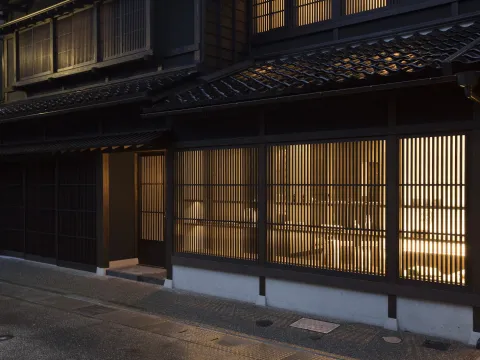
For immersion in traditional Japanese streetscapes, the geisha district of Higashi Chaya and the surrounding chaya district on the north bank of the Asano River are the most evocative. Here, you are in walking distance of teahouses, narrow alleys, and wooden facades that glow at dusk. The trade-off is that rooms can be smaller, and access to the station requires a bus or taxi. Choose this area if you care more about atmosphere than instant transport convenience.
Choosing between Western-style hotels and ryokan stays
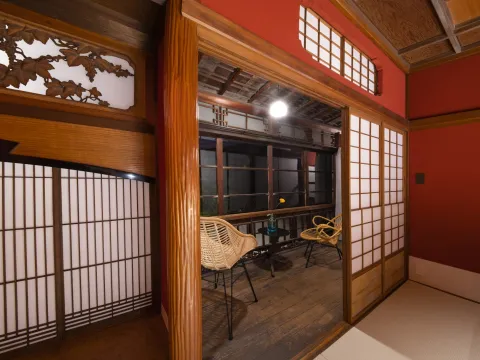
Sliding open a shōji screen to a tatami room, or dropping your keycard on a marble console in a high-floor suite – the choice between a Western-style hotel and a ryokan in Kanazawa shapes your entire stay. Western-style properties in the city typically offer spacious rooms by Japanese standards, with clear zoning between sleeping, working, and lounging areas. They suit travelers who prefer a familiar bed height, a desk, and a well-equipped bath with separate shower.
Ryokan stays, by contrast, focus on ritual. You may sleep on futon laid out each evening, soak in a shared hot spring bath, and wear a yukata to move between your room and the garden. In Kanazawa City itself, many ryokan are small, often family-run, and located in or near the chaya district or quiet residential streets behind Oyama Shrine. They are ideal if you want a traditional Japanese environment and are comfortable with less separation between spaces in the room.
For some travelers, the best approach is to split the difference. Stay Kanazawa in a Western-style hotel near Kanazawa Station for the first night, recover from travel, and check availability for a second, slower night in a ryokan closer to Higashi Chaya. This way you experience both styles without committing your entire trip to futon sleeping or to a purely international hotel atmosphere.
What to look for in rooms, design, and baths
Room size matters more in Kanazawa than in cities where you spend all day on trains. You will likely return to your hotel between visits to Kenrokuen Garden, Kanazawa Castle, and Omicho Market, so check the square meterage carefully. As a rough guide (based on typical listings in 2024), standard doubles near Kanazawa Station often start around 20–24 m², while premium hotels in central Kanazawa may offer 28–35 m² rooms with a sofa or small seating area. Corner rooms or higher floors can feel particularly serene, with long views over the city’s tiled roofs.
Design in the better Kanazawa hotel options tends to be understated rather than flashy. Expect natural woods, muted textiles, and occasional references to local crafts such as Kaga-yūzen dyeing or gold leaf. The most successful properties balance Western style comfort with traditional Japanese details – a low table by the window, perhaps, or a bath with hinoki wood accents. When you compare hotels, look closely at photos of the bathroom; a deep soaking tub or access to a shared hot spring bath can transform your evening routine.
Bath culture is central in Japan, and Kanazawa is no exception. Some city hotels offer an on-site hot spring or at least a large communal bath, often separated by gender and located on an upper floor with city views. Others focus on private in-room baths with strong water pressure and good amenities. Decide whether you prefer the social ritual of a shared bath or the privacy of your own tub, then filter your choices accordingly.
Location specifics: walking distances and local life
From the east exit of Kanazawa Station to the first arcades of downtown Kanazawa, you are looking at roughly 1.5 km – an easy walk Kanazawa regulars do without thinking. Many premium hotels cluster within this corridor, which means you can arrive by train, drop your bags, and be at Omicho Market in about 10–15 minutes on foot. Staying here also places you within walking distance of Oyama Shrine and the outer walls of Kanazawa Castle, making spontaneous evening strolls simple.
Higashi Chaya lies further east, across the Asano River, in a pocket of streets where time seems to slow. From the market area, it is about a 20-minute walk, passing small local shops and residential lanes. Hotels in this area tend to be more intimate, sometimes converted from traditional townhouses, and they offer a different kind of access: you step out directly into the geisha district’s lantern-lit alleys rather than onto a main thoroughfare. It is a strong choice if you value mood over immediate transport links.
Kenrokuen Garden sits slightly south of the castle, forming a green hinge between several neighborhoods. A hotel positioned between the station and the garden gives you a balanced base – close enough to reach Kenrokuen for its early-morning quiet, yet still practical for day trips. When comparing locations, map out your likely days: one focused on the castle and garden, another on the chaya district, perhaps a third on contemporary galleries and local crafts. Choose the area that minimizes backtracking for the experiences you care about most.
Who each Kanazawa area suits best
Business travelers and rail-focused explorers usually gravitate to the station area. Here, check-in is swift, luggage handling is straightforward, and you can be on a train to other parts of Ishikawa Prefecture with minimal friction. The hotels in this zone often offer larger rooms, efficient layouts, and a calm, international atmosphere that works well if you need to work at a desk or appreciate predictable services.
Food-focused visitors and design-conscious couples tend to prefer downtown Kanazawa around Omicho Market and the streets leading toward Oyama Shrine. This area offers a dense concentration of restaurants, sake bars, and small galleries, all within easy walking distance. You can spend the day moving between the market’s seafood stalls, the castle grounds, and Kenrokuen Garden, then return to a hotel whose interiors echo the city’s refined but understated design language.
Cultural travelers, photographers, and those seeking a slower pace are often happiest near Higashi Chaya and the surrounding chaya district. Here, the reward is atmosphere: wooden facades, narrow stone lanes, and the chance to see the geisha district at dawn or after dark without a long commute. The compromise is that rooms may be smaller and access to Kanazawa Station less direct. If you are willing to trade some convenience for immersion, this is where Kanazawa feels most distinct.
How to compare and verify before you book
Before you commit to a hotel Kanazawa booking, start with three checks: location, room details, and bathing options. First, pinpoint the exact address on a map and measure walking distance to the places you care about most, whether that is Kanazawa Station, Kenrokuen Garden, or the geisha district. Distances that look small on a schematic map can feel longer in winter rain, so be honest about how much you enjoy walking.
Next, examine the room types carefully. Look for clear floor plans, not just styled photos, and pay attention to whether the bed is Western style or futon on tatami. Confirm whether the bath is a full tub, a shower-only space, or complemented by access to a communal hot spring or large public bath. For longer stays, small details – a seating area, a good wardrobe, a window that actually opens – contribute more to comfort than an extra decorative cushion.
Finally, consider the overall style and scale of the property. Some travelers feel most at ease in a larger city hotel with multiple room categories and a wide range of services. Others prefer a small, design-led place that offers fewer rooms but a stronger sense of local character. In Kanazawa City Japan, both exist within a short radius. Choose the one whose atmosphere you can imagine returning to after a day of exploring stone walls, quiet gardens, and lantern-lit streets.
What is the best area to stay in Kanazawa?
For most travelers, the best area to stay in Kanazawa is either near Kanazawa Station for convenience or around Omicho Market and the castle for atmosphere and easy sightseeing. The station zone suits those prioritizing smooth arrivals, departures, and day trips, while the central market–castle area works better if you want to walk to Kenrokuen Garden, Kanazawa Castle, and many restaurants. Higashi Chaya and the nearby chaya district are ideal if you value traditional streetscapes and do not mind relying on taxis or buses to reach the station.
Is Kanazawa a walkable city for hotel guests?
Kanazawa is highly walkable for hotel guests, especially if you choose a property within the central belt between Kanazawa Station, Omicho Market, and Kenrokuen Garden. Many key sights sit within 1–2 km of each other, making it realistic to explore the castle, the garden, and the geisha district on foot over a couple of days. Staying centrally reduces the need for public transport and lets you experience the city’s quieter backstreets between major landmarks.
Should I choose a Western-style hotel or a ryokan in Kanazawa?
The choice between a Western-style hotel and a ryokan in Kanazawa depends on how you like to live while traveling. Western-style properties offer familiar beds, larger private bathrooms, and layouts that suit working or unpacking for several days. Ryokan stays emphasize traditional Japanese elements such as tatami floors, futon bedding, and shared hot spring baths, often in smaller, more intimate buildings. Many travelers combine both by spending part of their stay in a modern hotel near the station and a night or two in a more traditional setting near the chaya district.
How many nights should I stay in Kanazawa?
A stay of two to three nights in Kanazawa works well for most visitors who want to balance sightseeing with enjoying their hotel. Two nights allow you to see Kanazawa Castle, Kenrokuen Garden, Omicho Market, and at least one geisha district at a comfortable pace. Three nights give you time to revisit favorite spots at different times of day, enjoy your hotel’s bath or hot spring facilities, and perhaps add a short excursion without feeling rushed.
Do hotels in Kanazawa usually have English-speaking staff?
Most higher-end hotels in Kanazawa City have English-speaking staff who can assist with check-in, directions, and basic local recommendations. Properties that cater to international guests near Kanazawa Station and in central sightseeing areas are particularly accustomed to overseas travelers. In smaller ryokan or very local accommodations, English may be more limited, but clear signage and a patient, polite approach usually make communication manageable.