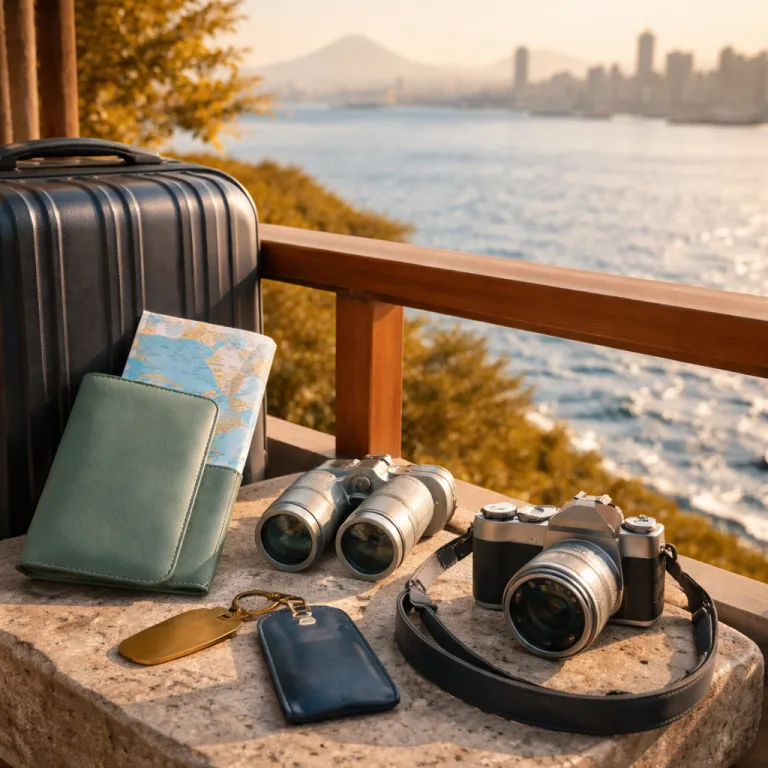
Tokyo stays for first time visitors and business leisure
When you ask where to stay in Japan for a first trip, Tokyo usually answers for itself. The capital concentrates many of the best hotels in the country, and each area offers a different rhythm and level of immersion. Think carefully about which station you want to orbit, because in this city the right walk can save you an hour every day.
For first time visitors who want to stay in Tokyo in comfort and move easily, the Marunouchi and Otemachi area near Tokyo Station works beautifully. You can book a luxury hotel in Tokyo here and be a short walk from the shinkansen platforms, the Imperial Palace gardens and the financial district, which makes it ideal for business leisure stays. This is where to stay if you want polished service, larger rooms by Japan standards and easy airport transfers via the Narita Express or limousine buses without sacrificing atmosphere.
Roppongi suits couples who prefer nightlife and art, while Shibuya and Shinjuku are the best areas for energetic evenings and neon soaked streets. Around Shinjuku Station you will find everything from a refined park hotel style property overlooking Shinjuku Gyoen to a sleek capsule hotel concept hidden above the shopping arcades. Before you book, compare reviews on several platforms and then do a final check against recent guest photos, because service levels can vary even among famous Tokyo hotels.
Average nightly rates for a mid range hotel in Tokyo are often quoted around 15,000 JPY for a standard single room in older Japan National Tourism Organization materials; recent post pandemic prices can be higher, especially in central districts. As a practical cross check, many booking engines in 2024 show mid range doubles near Tokyo Station or Shinjuku Station starting closer to 18,000–22,000 JPY on weeknights. Rates climb quickly for larger rooms with skyline views, but you can often find excellent value if you check midweek dates and shoulder seasons.
Shibuya works well for younger couples who want to stay close to dining and late night bars, while Ginza appeals to travelers who prefer discreet luxury and easy access to flagship boutiques. In Ginza, many Tokyo hotels offer compact but beautifully finished rooms, so check the square meter size before you commit. If you are unsure which area fits your style, our guide to choosing the right onsen hotel in Tokyo for your stay explains how different districts shape your experience and how to balance transit convenience with atmosphere.
First time visitors often ask where they should have stayed after their trip, and the answer usually comes back to matching neighborhood energy with personal pace. If you plan to visit Japan for both work and leisure, consider splitting your stay between a calm hotel near Tokyo Station and a livelier address in Shibuya or Shinjuku. This two part approach lets you experience both sides of the city without constant cross town commutes, and typical transfers between these hubs take around 15 to 25 minutes by JR lines or the Tokyo Metro, according to 2024 timetable data.
Tokyo’s character districts: Asakusa, Shinjuku and Shibuya
Once you have decided that Tokyo is where to stay in Japan for the start of your journey, the next question is which character district suits you. Asakusa, Shinjuku and Shibuya each offer a distinct way of staying in the city, from temple side calm to restless nightlife. Choosing between them is less about the best hotels on paper and more about the kind of streets you want to walk at night.
Asakusa sits on the older side of Tokyo, with Sensō ji temple at its heart and the Sumida River curving nearby. A hotel stay in this area gives you slower mornings, easy access to traditional craft shops and quick rides on the Tokyo Metro Ginza Line into central districts such as Ueno and Ginza. When you look at listings, search for properties that mention Asakusa in their description, then read reviews carefully to check whether the rooms face quiet side streets or busy entertainment alleys.
Shinjuku, anchored by Shinjuku Station, is where staying in Tokyo becomes a question of how much energy you want outside your lobby doors. Here you will find everything from high rise Tokyo hotel towers with floor to ceiling windows to compact capsule hotel options tucked between karaoke buildings. Couples who have stayed in this area often praise the convenience of being able to walk to both Michelin starred restaurants and tiny yakitori counters within minutes of their room.
Shibuya, by contrast, feels younger and more casual, with the famous crossing acting as a constant backdrop. Many Shibuya hotels offer smaller rooms but excellent public spaces, so check whether the lobby bar or rooftop terrace feels like somewhere you would actually use. If you plan to visit Japan for events or concerts at venues such as Yoyogi National Gymnasium or Shibuya O-East, staying near Shibuya Station can cut late night taxi costs and keep your travel days flexible.
Families and fans planning themed stays sometimes combine these districts with playful properties elsewhere in Japan, such as the Pokémon hotel experiences that have appeared in several cities. Our guide to a magical stay exploring Pokémon hotel experiences in Japan for families and fans outlines how to balance character themed rooms with more classic luxury nights. When you book, always do a final review check to confirm that the themed elements enhance rather than overwhelm your overall stay.
Whichever district you choose, remember that Tokyo hotels can vary widely in room size even within the same price band. Always check the floor plan for both single room and double room categories, and look for clear photos of storage solutions if you travel with large luggage. A thoughtful layout often matters more than raw square meters, especially when you are staying several nights in the same Tokyo hotel address.
Kyoto for ritual, romance and new luxury openings
For couples asking where to stay in Japan when they want ritual and romance, Kyoto answers with quiet lanes, temple bells and increasingly sophisticated hotels. The city’s luxury map has shifted recently, with Capella Kyoto and The Hotel Seiryu Kyoto Kiyomizu, a Luxury Collection Hotel, opening in 2021 and drawing attention back to the historic core. These properties signal a new wave of high end hospitality that respects tradition while offering the kind of rooms and service international travelers now expect.
Higashiyama and Gion remain the best areas for travelers who want to wake up within walking distance of major temples yet retreat to calm courtyards by night. Here, many hotels occupy low rise buildings that blend into the machiya townhouses, so you should check carefully where the entrance sits and how far it is from the nearest station, such as Gion Shijō or Higashiyama on the Keihan and Tozai lines. When you book, prioritize properties that limit room count and emphasize staff continuity, because this often translates into more attentive, personalized stays.
Arashiyama, on Kyoto’s western edge, suits couples who want nature close at hand, with river views and bamboo groves replacing city streets. Staying here usually means a longer ride into central Kyoto, but the trade off is quiet evenings and easy access to onsen style baths, whether in room or in shared facilities. If you are planning where to stay for a special anniversary, consider splitting your time between a central Kyoto hotel near Kyoto Station and a riverside retreat in Arashiyama to experience both sides of the city.
Kyoto’s luxury scene also connects naturally with wellness led escapes in nearby regions such as Hakone and Ise Shima, where ryokan and onsen resorts dominate. Our guide to experience the best views at luxury hotels across Japan highlights several properties that frame mountain or sea vistas as carefully as a tea ceremony. When you visit Japan for a longer trip, building a route that links Kyoto with one or two of these view driven stays can create a satisfying narrative arc.
When comparing Kyoto hotels, do not focus only on the headline name or the most photographed suite. Pay attention to how many rooms each property offers, whether there is a curfew, and how staff handle luggage transfers between the station and the hotel, including whether they coordinate takkyubin delivery services. These practical details shape your stay as much as the design of the lobby or the number of kaiseki courses in the dining room.
Because Kyoto remains one of the most popular answers to where to stay in Japan for first and second trips, availability can tighten quickly in peak seasons. Book as early as possible, especially if you want specific room types or onsen access, and always read reviews from guests who stayed at the same time of year you plan to travel. Their comments about crowds, noise levels and service pace will be more relevant than generic praise.
Hakone and Ise Shima for wellness led onsen stays
When travelers shift from asking where to stay in Japan for cities to where to stay for rest, Hakone and Ise Shima rise to the top of the list. Both regions specialize in ryokan and onsen resorts, with stays built around bathing rituals, seasonal cuisine and long, unhurried evenings. These are not places where you rush between attractions; they are where you let the hotel set the pace.
Hakone lies within easy reach of Tokyo Station, making it a natural second stop after a few intense days in the capital. Many properties here offer rooms with private open air baths, so you can soak while watching mist drift across the hills, and the best hotels pair this with thoughtful kaiseki dinners served in your room. When you book, check whether your rate includes two meals, because in onsen towns the hotel often becomes your primary dining option and nearby restaurants may close early.
Ise Shima, further south on the Kii Peninsula, feels more remote and maritime, with views of pearl farming rafts and forested islands. Staying here suits couples who want to combine shrine visits with long walks along quiet bays, then return to a hotel where the onsen water and seafood driven menus reflect the local landscape. As demand for ecotourism in Japan grows, more properties in this region are emphasizing low impact design and partnerships with local producers, according to government and industry reports published in the early 2020s.
Both Hakone and Ise Shima reward travelers who pay attention to the fine print before they book. Check train and bus connections from the nearest major station, confirm whether staff can handle luggage forwarding, and read reviews to understand how each property manages mixed gender bathing or private onsen slots. These details can make the difference between a smooth, restorative stay and one that feels logistically complicated.
Because many ryokan operate with fewer rooms than urban hotels, they can fill quickly during weekends and holidays. If you already know where to stay for your city nights, secure your onsen reservations next, then build the rest of your itinerary around those fixed points. This approach works especially well for couples planning a honeymoon or milestone celebration, where the quality of the stay matters more than ticking off every sight.
For travelers used to the anonymity of large Tokyo hotel towers, the intimacy of a family run ryokan can feel surprisingly personal. Staff may remember how you like your tea or which side of the futon you prefer, and this attention becomes part of the wellness experience. When you visit Japan with the goal of slowing down, these regions show how staying in the right place can be as meaningful as any temple or museum.
Regional gems for second and third trips: Nara, Setouchi, Hokkaidō
Once you have answered where to stay in Japan for the classic Tokyo and Kyoto circuit, the question shifts to regional gems that reward repeat visitors. Nara, Setouchi and Hokkaidō each offer a different answer, from heritage reimagined to island dotted seascapes and powder snow. These are the places where the hotel often becomes the destination in itself.
Nara is stepping back into the luxury spotlight with the planned opening of Hoshinoya Nara Prison, a bold conversion of a historic correctional facility into a high end stay announced by Hoshino Resorts in 2022. This project signals a broader regional push to pair deep history with contemporary comfort, giving travelers new reasons to spend nights here rather than day tripping from Kyoto. When you book in Nara, check how your chosen hotel connects to the main station and temple areas, because local transit can feel less intuitive than in larger cities.
The Setouchi region, stretching around the Inland Sea, has become a quiet favorite among design minded travelers. Here, small islands host art installations, and several hotels treat the surrounding water and light as part of the room design, with floor to ceiling windows framing ferries and fishing boats. Couples who have stayed in this area often describe long, slow mornings on terraces, followed by short walks to village cafés or contemporary art sites.
Hokkaidō, by contrast, offers wide open landscapes, hot springs and some of the best winter conditions in Asia. Luxury hotels here range from ski in ski out lodges to remote onsen retreats, and where you stay depends on whether you prioritize slopes, seafood or summer hiking. When you visit Japan for a second or third time, combining a few nights in Hokkaidō with a city stay in Tokyo or Sapporo can create a satisfying contrast.
In all these regions, the most interesting properties often sit away from major stations, so transfers require more planning. Before you commit, read reviews that mention access and check whether the hotel offers shuttle services or can arrange taxis at predictable rates. This extra step helps ensure that your romantic escape does not begin with a stressful scramble for transport.
Because these areas attract fewer first time visitors, availability can be more forgiving, but the best hotels still book out for peak foliage or snow seasons. If you already know where to stay in Japan for your main hubs, treat these regional nights as anchors and secure them early. The reward is a version of the country that feels both more spacious and more personal, especially for couples who value quiet over crowds.
Decision tree: matching your profile to the right stay
Choosing where to stay in Japan becomes easier when you think in terms of traveler profiles rather than endless hotel lists. Start by asking whether this trip leans more toward first time exploration, business leisure, wellness, or a deep regional dive. Your answers will naturally point you toward specific cities, stations and property types.
If you are a first time couple focused on classic sights, combine a Tokyo base near Tokyo Station or Shinjuku Station with several nights in central Kyoto. Business leisure travelers might prefer Marunouchi or Otemachi for quick meetings, then shift to Roppongi or Ginza for evenings, where Tokyo hotels offer polished service and efficient concierge teams. Wellness led trips should anchor around Hakone or Ise Shima, with onsen resorts forming the spine of the itinerary and city hotels acting as bookends.
Second or third time visitors often gain the most by adding Nara, Setouchi or Hokkaidō to their plans, using regional hotels as lenses onto local culture. If you enjoy art and architecture, look for properties that collaborate with local creators, then check whether guided walks or studio visits are available. Food focused travelers should prioritize stays where the chef sources ingredients from nearby farms or fisheries, turning each dinner into a quiet masterclass in regional flavors.
Across all profiles, a few booking principles hold true. Book early for peak seasons, consider proximity to major stations, and try at least one ryokan for cultural immersion. As one expert style summary puts it, “Approximately 15,000 JPY per night can serve as a rough benchmark for mid range city stays, but prices vary widely from affordable business hotels to top tier luxury, and advance booking becomes essential during peak seasons.”
When comparing options, do not rely solely on star ratings or brand names. Always read reviews from guests who stayed recently, paying attention to comments about noise, staff responsiveness and room maintenance, then do a final check against your own priorities. If a property looks perfect but access seems complex, contact the hotel directly to clarify transfers before you commit.
Finally, remember that where you stay is not just a logistical choice; it shapes how you will remember Japan. A thoughtfully chosen hotel can turn a simple walk to the station into a daily ritual, whether that means passing a shrine gate, a favorite coffee stand or a quiet park. When you align your stay with your pace, interests and budget, the country opens up in ways that feel both luxurious and deeply personal.
Key figures for planning your stay in Japan
- The average price of a mid range hotel in Tokyo is often cited around 15,000 JPY per night for a standard room in older Japan National Tourism Organization materials; recent market checks on major booking sites in 2023–2024 suggest that central city rates can be higher, so couples should treat this as a starting reference rather than a fixed rule.
- Japan hosts many thousands of ryokan establishments nationwide; tourism and accommodation statistics from the early 2020s indicate tens of thousands of traditional inns and small lodging facilities, giving travelers ample opportunity to include at least one classic stay in their itinerary.
- Demand for ecotourism in Japan is projected to grow significantly over the next decade, with government and research reports pointing to a multibillion yen market by the mid 2030s, reflecting a strong shift toward nature focused and low impact stays in regions such as Hokkaidō, Ise Shima and the Setouchi islands.
- Tokyo’s major hubs, including Tokyo Station and Shinjuku Station, handle millions of passengers daily, which is why staying within a short walk of a key station can significantly reduce transit time during a city break and make day trips by shinkansen or limited express trains far smoother.
FAQ about where to stay in Japan
What is the average cost of a hotel in Tokyo for couples
For a mid range hotel in Tokyo, couples can expect to pay around 15,000 JPY per night for a standard room based on earlier figures from the Japan National Tourism Organization, though central locations and recent demand often push prices higher. In 2024, many mid range doubles in popular districts list closer to 18,000–25,000 JPY, especially on weekends. Luxury properties and larger rooms will cost more, particularly in areas such as Marunouchi, Ginza and Shinjuku.
Are ryokan stays always expensive
Ryokan prices vary widely, with some simple inns priced close to standard hotels and others operating at the very top of the luxury market. The cost usually reflects factors such as location, room size, onsen quality and whether kaiseki dinners and breakfasts are included. Travelers who want the experience without a high bill can look for weekday stays in less famous onsen towns or choose plans that include breakfast only.
Is it necessary to book accommodations in advance in Japan
Booking in advance is strongly recommended, especially during cherry blossom, autumn foliage and major holiday periods such as Golden Week and New Year. Popular cities such as Tokyo and Kyoto, as well as onsen regions like Hakone, often see the best hotels sell out months ahead. Securing key stays early also gives you more choice of room types and views.
How should I choose between Tokyo neighborhoods such as Shinjuku, Shibuya and Asakusa
Shinjuku suits travelers who want nightlife, dining variety and excellent transport from Shinjuku Station, while Shibuya feels younger and more casual, with many cafés and bars. Asakusa offers a slower, more traditional atmosphere near Sensō ji temple and works well for travelers who enjoy early morning walks and river access. Your choice should reflect whether you prioritize energy, convenience or historic character.
Should I stay near a major station or in a quieter residential area
Staying near a major station such as Tokyo Station or Kyoto Station usually makes travel days smoother, especially if you plan to move between cities by shinkansen. Quieter residential areas can offer more space and local charm but may require longer walks or additional transfers. Many couples choose a mix, starting near a station for logistics and then shifting to a more atmospheric neighborhood for the rest of their stay.