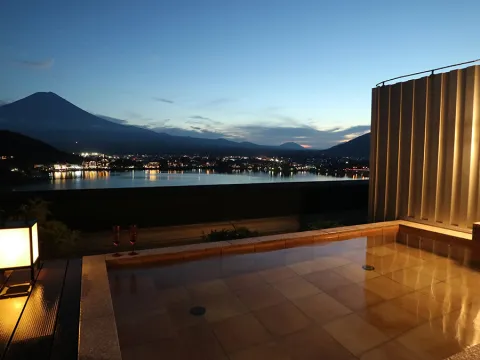
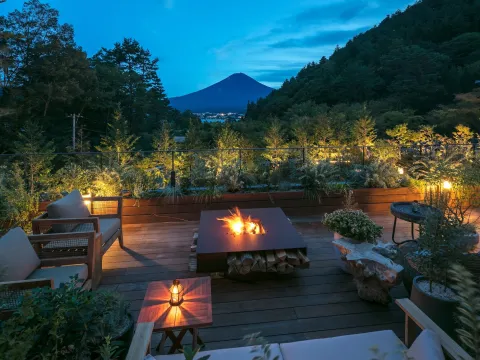
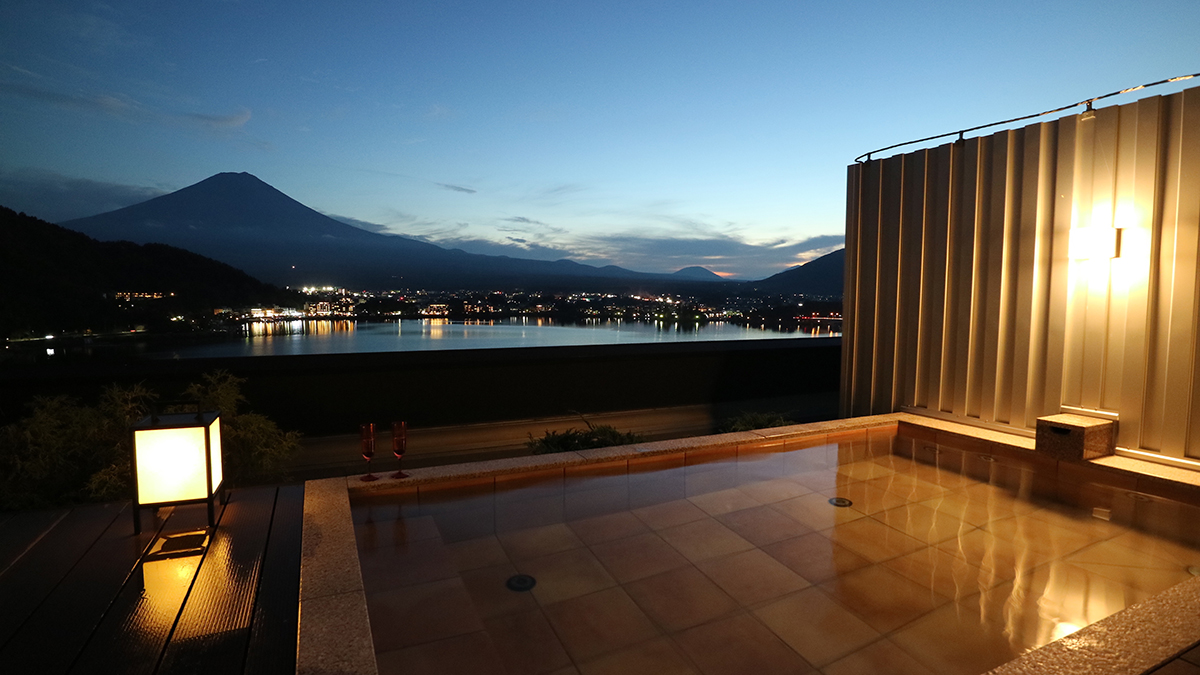
Discover the best hotels in Yamanashi Prefecture, Japan – from historic onsen ryokan like Nishiyama Onsen Keiunkan to modern Fuji-view resorts with private open air baths and natural hot springs.
Why Yamanashi belongs on a luxury hotel shortlist
Snow-dusted ridgelines, vineyards, and steam rising from cedar tubs – Yamanashi Prefecture is where Japan’s onsen tradition meets clear views of a sacred mountain. For travelers weighing where to stay near Mount Fuji, it is often a better choice than the crowded Tokyo–Hakone axis. Distances are manageable, the air feels sharper, and the best hotels lean into hot springs, not shopping arcades.
Expect properties that frame Fuji as a daily performance. On clear mornings, guest rooms facing the lake belt around Kawaguchiko turn pink with first light, while open air baths catch the reflection of the peak in still water. This is not a destination for nightlife. It is for long kaiseki dinners, unhurried soaks in natural hot springs, and the quiet ritual of moon viewing from a terrace or viewing platform.
Luxury here means space and silence more than spectacle. Many of the most compelling stays are Japanese-style ryokan with tatami guest rooms, free flowing spring water in communal baths, and a few coveted suite rooms with private outdoor tubs. If you want a hotel that feels rooted in the landscape – and you care more about the quality of the bath than the number of restaurants – Yamanashi Prefecture is an excellent choice.
Onsen heritage and the legend of Nishiyama
Hot springs define the region’s hospitality. Long before Yamanashi became a weekend escape from Tokyo, people traveled here for the curative power of its waters. The most storied area lies around the Nishiyama onsen valley, where rivers cut through steep slopes and steam curls from rocks along the banks. Here, the culture of the ryokan is inseparable from the springs themselves.
One historic inn in this valley, often identified as Nishiyama Onsen Keiunkan in Hayakawa, is widely cited as among the oldest hot spring hotels in Japan, with a lineage that local records trace back more than a millennium. Japanese sources attribute its origins to the late 7th century and mention visits from powerful leaders such as Tokugawa Ieyasu, who valued the restorative qualities of the baths. Whether you care about the exact dates or not, you feel the weight of centuries when you slide open a wooden door and step into a dim corridor scented with hinoki.
The springs here are typically natural hot, free flowing, and rich in minerals. Some properties draw from long-established sources in the Nishiyama onsen area, others from smaller veins along the valley, but the experience is consistent: a slow, enveloping heat that lingers in the body long after you leave the water. If your priority is immersion in Japan’s onsen culture rather than a generic resort stay, Nishiyama and its surroundings should sit high on your list.
Choosing between ryokan and modern hotels
Sliding shoji doors, futons, and low tables on tatami define the classic Japanese ryokan experience in Yamanashi. These properties usually organize your stay around the hot spring bath and the evening meal. Guest rooms may be simple in layout – often one main room that transforms from living space to bedroom – but the best ryokan compensate with exquisite kaiseki dinners and carefully maintained indoor and open air baths. For travelers who want ritual and tradition, this format is hard to beat.
Modern hotels in the prefecture, by contrast, tend to offer Western-style beds, multiple room categories, and more familiar service patterns. You will find larger suite rooms with separate living areas, family-friendly layouts with several interconnected rooms, and sometimes a small gym or spa in addition to the onsen. These properties suit guests who want the reassurance of a conventional hotel while still accessing hot springs and Fuji views.
The trade-off is intimacy versus predictability. A ryokan stay often means fewer guest rooms, more direct interaction with staff, and a schedule shaped around bath times and meals. A contemporary hotel offers more flexibility – you can dine later, come and go easily, and treat the onsen as one amenity among many. If you are new to Japan, a first night in a hotel followed by a night or two in a ryokan can be a comfortable progression.
Rooms, suites, and the art of the bath
Room selection matters more in Yamanashi than in many urban destinations. The difference between a standard guest room and a suite with a private open air bath can transform your stay. In lakeside areas such as the north shore of Lake Kawaguchi, some hotels orient entire rows of guest rooms toward Fuji, while others reserve the most dramatic view for a handful of top-floor suites. Always check whether your category explicitly guarantees a mountain or lake view.
Within ryokan, layouts vary from compact tatami rooms to generous suite rooms with separate sleeping and sitting areas, sometimes spread over two levels. The most coveted options feature a private hot spring bath on the balcony or terrace, fed by free flowing spring water rather than reheated tap. These open air tubs allow you to bathe whenever you like, without sharing the space with other bath guests, which is particularly appealing for couples or travelers who feel shy about communal bathing.
Even in properties without in-room onsen, the main communal baths are often a highlight. Expect a combination of indoor pools and outdoor air baths framed by rock gardens or forest. Some hotels carve out quiet corners for moon viewing, with low lighting and benches where you can cool down between soaks. If the bath is central to your trip, prioritize properties that emphasize their springs – clearly stating their onsen source or spring quality – rather than those that treat the hot spring as an afterthought.
Mount Fuji views and where to stay
Not every hotel in Yamanashi Prefecture offers a Fuji view, despite the marketing language you may encounter. The most reliable vantage points cluster around the Fuji Five Lakes, particularly Lake Kawaguchi and Lake Yamanaka. Along the lakeside road on the north shore of Kawaguchiko, many properties position their guest rooms and public spaces to frame the sacred mountain across the water, with some adding rooftop viewing platforms for sunrise and sunset.
Further inland, in onsen towns and valleys, the focus shifts from Fuji to forest and river scenery. In the Nishiyama area, for example, hotels lean into the drama of steep slopes and the sound of rushing water rather than distant mountain silhouettes. Here, the appeal lies in the quality of the hot springs and the sense of seclusion. You trade a direct Fuji panorama for deeper immersion in nature and, often, more atmospheric baths.
For travelers who want both, a split stay works well. Spend one or two nights near the lakes, choosing a room that explicitly guarantees a Fuji-facing balcony or large picture window. Then move to a spring-focused ryokan in a valley, where the highlight becomes the open air bath under stars rather than the daytime view. This combination gives you the iconic postcard moment and the quieter, more introspective side of Yamanashi.
Practical booking advice for Yamanashi stays
Seasonality shapes the experience in Yamanashi. Winter brings crisp air, snow on Fuji, and the most satisfying contrast between cold nights and hot springs. Autumn offers foliage around the lakes and in the valleys, with maple leaves often visible from open air baths. Spring is softer, with blossoms along the shore and milder temperatures that make evening moon viewing from a terrace or viewing platform particularly pleasant. Summer can be humid, but higher elevations and riverside ryokan remain comfortable.
When comparing options, look beyond generic labels. Check whether the property uses natural hot spring water, whether the baths are free flowing or recirculated, and how many guest rooms share each facility. A small inn with two communal baths for ten rooms will feel very different from a large hotel where dozens of bath guests rotate through the same pools. If privacy matters, prioritize rooms with private outdoor tubs or properties that offer reservable family baths.
Location is another key filter. Lakeside hotels around Kawaguchiko Station and along the main lakeside roads make it easy to combine onsen time with boat rides and gentle walks. More remote spring inns in mountain valleys such as Nishiyama Onsen Keiunkan in Hayakawa demand a longer transfer – often a train to Kofu or Minobu followed by a bus or taxi – but reward you with silence and dark skies. Rather than focusing on an exact property count, assume a broad mix of small ryokan, pensions, and full-service hotels across the prefecture, then decide whether you want to step out of the lobby and be by the water in minutes, or whether the journey into the hills is part of the appeal.
Best Hotels in Yamanashi Prefecture Japan
Yamanashi Prefecture is an excellent choice if you value hot springs, space, and views of Mount Fuji over urban buzz. The region’s best hotels range from traditional Japanese ryokan with tatami guest rooms and free flowing natural hot spring baths to modern properties with suite rooms, private open air tubs, and carefully framed Fuji vistas. To choose well, decide first between lakeside convenience and secluded valleys, then focus on the quality and style of the baths, the certainty of the view, and how much structure you want around meals and daily rhythm.
FAQ
Is Yamanashi Prefecture a good base for visiting Mount Fuji?
Yes, Yamanashi is one of the best bases for Mount Fuji, especially around the Fuji Five Lakes area. From towns such as Kawaguchiko, you get clear views of the mountain, easy access to hiking trails and sightseeing buses, and a wide choice of hotels and ryokan with onsen facilities that frame Fuji from guest rooms, terraces, or rooftop viewing platforms.
What type of traveler will enjoy Yamanashi’s hotels most?
Travelers who appreciate quiet stays, hot springs, and nature-focused experiences will get the most from Yamanashi. If you enjoy long soaks in natural hot spring baths, multi-course Japanese dinners, and waking up to mountain or lake views rather than city skylines, the prefecture is a strong fit. Those seeking nightlife or dense shopping districts may find it too tranquil.
How many hotels are there in Yamanashi Prefecture?
Exact figures vary by source and by how you count smaller inns, but there is a wide range of hotels and similar accommodations across Yamanashi Prefecture, from compact family-run ryokan to larger full-service properties. This breadth means you can choose between intimate onsen inns in mountain valleys and larger lakeside hotels with a wider range of room types and facilities.
Do most hotels in Yamanashi have hot spring baths?
Many of the better hotels and ryokan in Yamanashi feature onsen facilities, especially in established hot spring areas and around the Fuji Five Lakes. However, not every property uses natural hot spring water, so if bathing is a priority, check that the baths are fed by a genuine spring and whether the water is free flowing or recirculated.
Should I choose a room with a private open air bath?
A room with a private open air bath is worth considering if you value privacy, plan to bathe frequently, or are traveling as a couple. These rooms allow you to enjoy the hot springs at any time without sharing space with other guests, often with direct views of Fuji, forest, or river scenery. They are not essential for enjoying Yamanashi, but they do elevate the experience significantly for onsen-focused stays.