Tokyo · Hotels
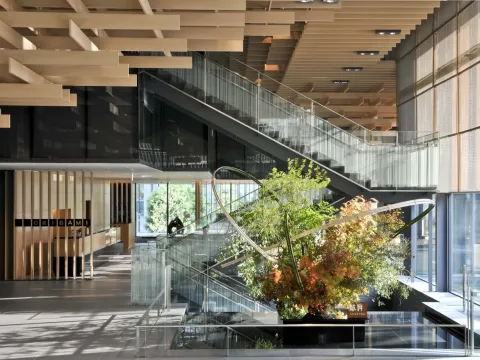
The Capitol Hotel Tokyu
We picked The Capitol Hotel Tokyu for its site more than its build: this address...
Imperial Hotel Tokyo opened in 1890 to house the Western dignitaries pouring into a rapidly modernising Japan, and by 1923 it had become internationally famous for a building designed by Frank Lloyd Wright, a low, Mayan Revival structure of concrete and oya stone that floated on a shallow foundation over alluvial mud. That foundation turned into an accidental piece of engineering genius: when the Great Kanto earthquake struck in 1923, the building flexed rather than cracked, and survived largely intact while much of Tokyo around it fell. The Wright building stood until 1967, outliving its usefulness as the city grew around it; its lobby was later rebuilt, stone by stone, at the Meiji-mura architecture museum, where it still stands today.
We chose this address because its history is not a marketing story bolted onto a generic tower, it is load-bearing. The current 17-storey building, completed in 1970 on the same Hibiya site, holds nearly a thousand rooms without losing the sense of occasion that got the hotel its reputation in the first place: doormen, a lobby built for a proper arrival, and a staff culture passed down since the Meiji era rather than trained from a franchise manual.
The hotel sits directly south of the Imperial Palace grounds, overlooking Hibiya Park, with Ginza's flagship shopping a short walk east and Yurakucho's restaurants and theatres just as close. Few addresses in central Tokyo offer this combination of ceremonial proximity, palace, government district, park, and immediate access to the city's most polished retail quarter, all without a train required.
Preisklasse: Luxury, among Tokyo's most established grande-dame hotels
Vibe: Institutional grandeur, old-Tokyo formality rather than contemporary minimalism
Zimmer: Close to 1,000 rooms across a 17-storey main tower
Best For: Travellers who want Tokyo's history under one roof, and a genuinely formal arrival
Our Favorite Thing About the Hotel: Knowing the ground beneath it once held a Frank Lloyd Wright building that outlasted an earthquake
Dining: A long roster of in-house restaurants, with a banquet and grill tradition dating to the hotel's earliest years
Amenities: Indoor pool, spa and wellness centre, sauna, fitness centre, business centre
Attractions: Hibiya Park, the Imperial Palace grounds, Ginza shopping, Yurakucho's restaurants and theatres
Beyond the Wright building, the Imperial's ballroom once hosted sessions of Japan's House of Peers after a fire destroyed the original Diet building in 1891, and the hotel weathered both wartime bombing in 1945 and a period of use by Allied occupation forces afterward. Princess Sayako was married here in 2005, one entry in a long list of state and society occasions that have used the hotel as their backdrop since before most of modern Tokyo existed.
The hotel's owners have announced plans to demolish and rebuild the current tower, with a reopening expected around the mid-2030s, which makes a stay at today's building, the third on this site, a chance to experience a version of the Imperial that will itself eventually become history. For now, it continues to operate at full scale on its original Hibiya plot.
Hibiya Station, served by the Hibiya, Chiyoda, and Mita subway lines, sits essentially beneath the hotel, and Yurakucho and Tokyo Station are both a short walk or a one-stop ride away. For airport arrivals, the Narita Express and Airport Limousine Bus both run to stops within a few minutes of the lobby. Taxis remain the simplest option for anyone arriving with luggage from either airport, and the hotel's own doormen are practiced enough at the handoff that it rarely feels like a wait even during Tokyo's busier travel seasons.
We picked The Capitol Hotel Tokyu for its site more than its build: this address...
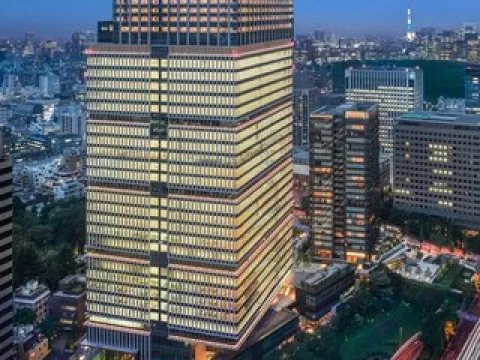
We added The Prince Gallery Tokyo Kioicho for the view alone: it occupies the top...
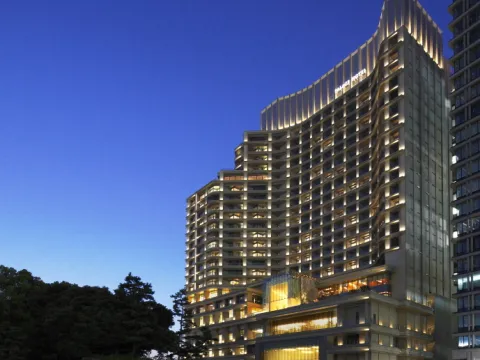
We selected Palace Hotel Tokyo for its address alone: directly across the moat from the...