Discover how to choose the best area and hotel in Tokyo, from Tokyo Station and Shinjuku to Minato and Asakusa, with tips on room styles, transport access and what to check before you book.
Choosing the right area in Tokyo city
Tokyo rewards precision. Choosing the right area for your hotel stay shapes everything from your first morning walk to your last night train back from dinner, so it is worth matching the neighbourhood to your travel style.
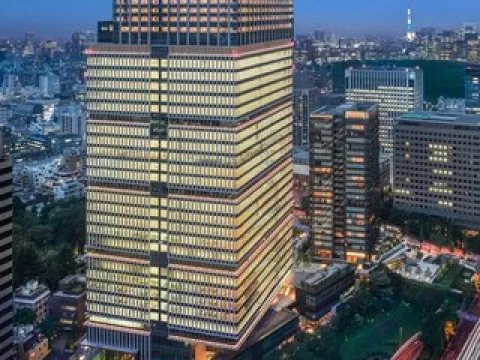
For a first visit, the zone around Tokyo Station and the broader central business district works as a calm, efficient base. Flagship properties such as Shangri-La Tokyo and Tokyo Station Hotel sit within 100–300 m of the Marunouchi North or Yaesu Central exits, so you can roll your suitcase from the Shinkansen platforms in under 5 minutes. You are on the main bullet train lines, a short 30–40 minute ride from both Haneda Airport and the city’s key points of interest, with Marunouchi’s glass towers on one side and the Imperial Palace’s moat on the other. Guests who value easy transfers and structured days tend to feel at home here.
Minato ward offers a different rhythm. Around Roppongi, Toranomon and Azabudai, international offices sit beside embassies and discreet residential streets, so you see suited commuters in the morning and destination restaurants at night. Luxury hotels such as Andaz Tokyo Toranomon Hills (about 5 minutes’ walk from Toranomon Station, Exit A1) or The Ritz-Carlton, Tokyo in Roppongi (roughly 3–4 minutes from Roppongi Station, Exit 8) give you design-forward rooms, polished service and quick access by train or taxi to both Shibuya and Tokyo Tower.
On the eastern side, Asakusa and the old Shitamachi districts appeal to travelers who want a more traditional atmosphere. From a hotel near Asakusa Station, such as Asakusa View Hotel or mid-range options around Kaminarimon-dori, you can walk 400–600 m to Sensō-ji before the tour groups arrive, then follow the Sumida River paths with Tokyo Skytree in view. The trade-off here: you are farther from the center of Tokyo’s business core, but closer to the city’s historical texture and classic neighbourhood streets.
What to expect from luxury and premium hotels in Tokyo
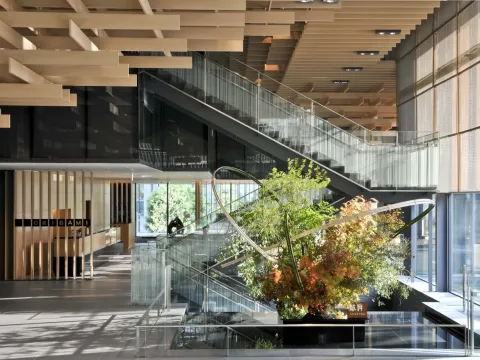
Rooms in Tokyo hotels tend to be meticulously planned rather than vast. Even in high-end properties, you will often find clever storage, sliding doors and compact but beautifully finished bathrooms instead of empty floor space. The feeling is of considered calm, not excess, whether you are in a five-star tower or an upscale boutique hotel.
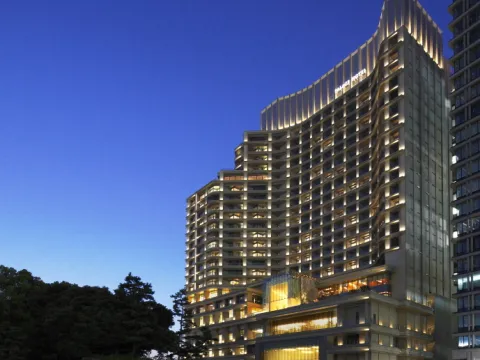
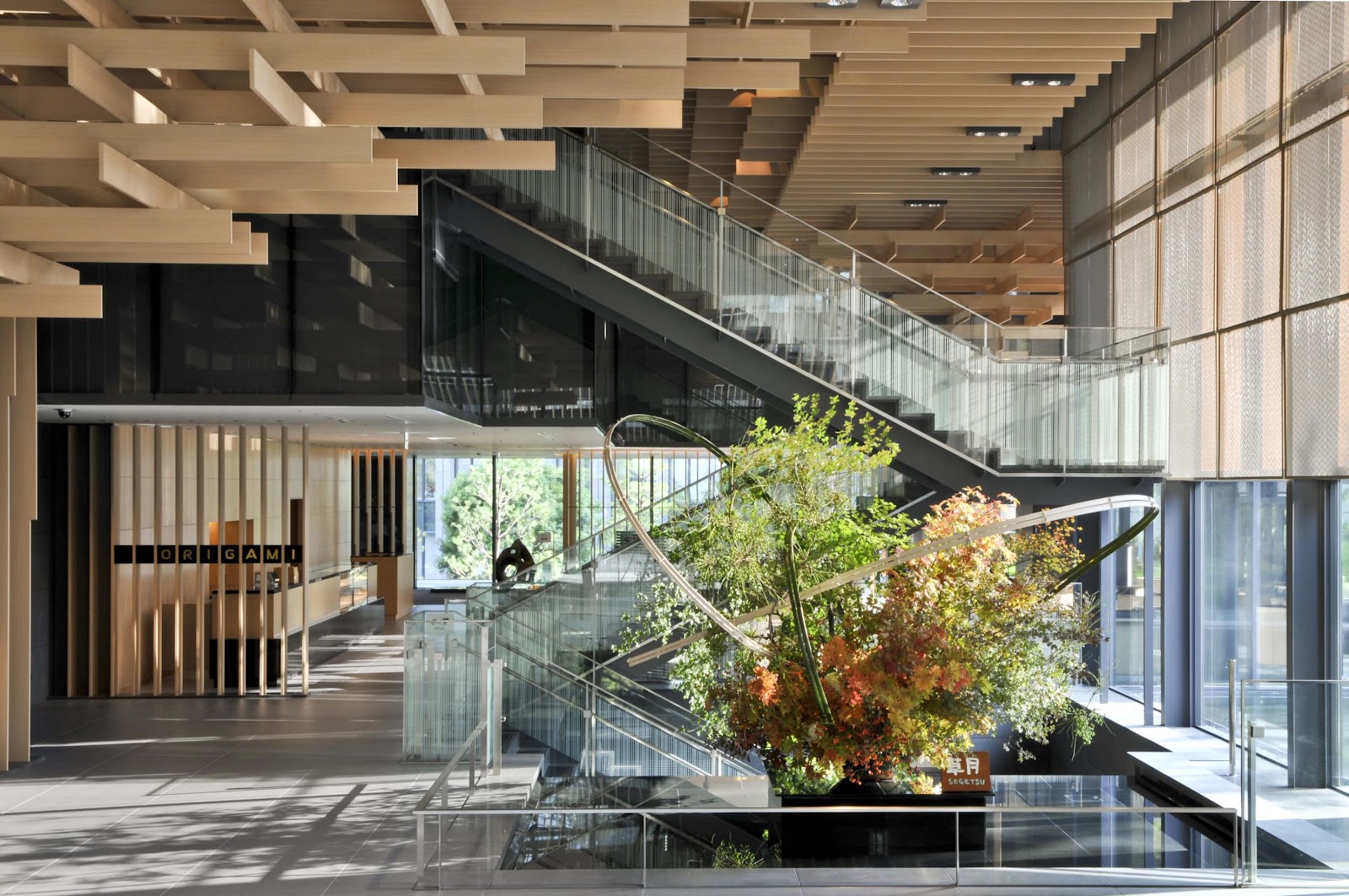
In the luxury segment, expect a strong sense of arrival. Lobbies are usually quiet, with staff anticipating your needs before you reach the front desk, and many hotels escort each guest personally to the room. Night lighting is soft, corridors are hushed, and turndown details are handled with almost ritual care, especially in flagship brands such as The Peninsula Tokyo near the Imperial Palace or Park Hyatt Tokyo in Shinjuku.
Wellness is a serious matter in Tokyo, Japan. Many premium hotels integrate large fitness floors, serene pools or full-scale wellness centers, sometimes spanning several thousand square metres, with separate zones for relaxation and treatment. Urban spas often draw local members as well as international guests, which is a good sign: it means the facilities are used and maintained to a high standard, and that opening hours and class schedules suit both business and leisure travelers.
Dining is rarely an afterthought. Even hotels that do not advertise themselves as culinary destinations will usually have at least one excellent Japanese restaurant alongside an international option. Breakfast can be a highlight of the stay, with carefully prepared Japanese sets served alongside Western plates, rather than a generic buffet. In central districts, many guests also combine hotel breakfasts with nearby cafés or depachika food halls for variety.
Location, trains and airport access
Distance to the nearest station matters more in Tokyo than in many other cities. A hotel that is a 3 minute walk (around 200–250 m) from a major JR or metro hub will feel dramatically more convenient than one that requires a 12 min walk (800–1,000 m), especially in summer humidity or winter rain when you may be carrying shopping bags or luggage.
For efficient airport transfers, look at the lines serving your arrival point. From Haneda Airport, the monorail and Keikyū lines connect quickly into the city: staying near Hamamatsuchō, Shinagawa or Tokyo Station keeps the journey simple. Typical travel times are around 20 minutes from Haneda to Hamamatsuchō, 15–20 minutes to Shinagawa and roughly 30–35 minutes to Tokyo Station with one change. If you are flying into Narita, direct trains into Tokyo Station or Ueno reduce the need for changes with luggage and usually take 50–70 minutes depending on the service.
Travelers who plan to explore the whole country by train often choose hotels close to Tokyo Station. You can step from your room to the Shinkansen platforms in minutes, then be in Kyoto, Kanazawa or Sendai without crossing the city first. Those who prioritise nightlife and dining might accept a slightly longer ride from the airport in exchange for a base in Shibuya or Shinjuku, where evening streets stay lively and late trains run frequently.
In more residential parts of Minato, such as around Shiba Park or Akasaka, you may have several smaller stations within a 5 to 8 min walk rather than one huge hub. The upside: quieter streets and local cafés. The downside: you will need to pay closer attention to last train times when returning from other districts, especially if you are out in Shinjuku or Shibuya after midnight.
Room styles, comfort and stay profiles
Not all luxury rooms in Tokyo look the same. Some lean into warm woods, shōji-inspired screens and low seating that nods to ryokan tradition, while others embrace glass, steel and skyline views. Decide early whether you want a cocoon or a panorama, and whether you prefer a classic hotel room or a serviced-apartment style suite.
Travelers staying several nights should pay attention to layout more than to surface glamour. A well-designed room will have a proper work surface, comfortable seating separate from the bed, and thoughtful lighting zones. Families or groups may prefer hotels that offer multi-room suites or apartment-style layouts, which are increasingly common in newer Tokyo hotels and in long-stay brands that include kitchenettes and laundry.
For guests who value quiet above all, higher floors facing inward toward parks or courtyards tend to be better than rooms directly above major avenues. In areas like Shinjuku or Shibuya, ask for rooms oriented away from neon-heavy intersections if you are sensitive to light. In more sedate districts near the Imperial Palace or Shiba Park, street noise is rarely an issue, and early mornings can feel surprisingly calm for such a large metropolis.
Some properties in central Tokyo specialise in extended stays, with laundry machines in the room and compact kitchenettes. These are useful for business travelers on multi-week assignments or families who prefer to prepare simple breakfasts. Others focus on short, intense city breaks, where the room is a refined base between long days out, and amenities such as concierge services and late-night room service matter more than in-room cooking.
Comparing key districts for different types of guests
For business travelers, the triangle between Tokyo Station, Otemachi and Nihonbashi is hard to beat. You can walk between major offices, step into the underground passageways on rainy days, and still reach Ginza’s restaurants in under 10 minutes by train or taxi. The atmosphere is formal during the day, almost contemplative at night, and hotels here are particularly convenient for early-morning meetings and same-day Shinkansen trips.
Leisure guests who want a classic city break often gravitate toward Shinjuku, Shibuya or the fringes of Harajuku. Here, hotels in Tokyo offer instant access to shopping, late-night dining and dense urban energy. The trade-off: rooms can be smaller, and the streets outside are rarely quiet before midnight, though you gain easy access to nightlife, live music venues and major department stores.
Minato’s hills and parks suit travelers who prefer a more residential feel. Around Shiba Park or Arisugawa-no-miya Memorial Park, you can start the morning with a walk under mature trees, then be in the center of Tokyo’s commercial districts after a short train ride. This balance of calm and connectivity works particularly well for longer stays, mixed business-and-leisure trips and guests who value green space.
On the eastern side, staying near Asakusa or along the Sumida River appeals to guests interested in temples, river cruises and traditional craft shops. You will be a few extra stops away from places like Shibuya, but you gain easy access to Tokyo Skytree and the old merchant streets. For some travelers, that trade is more than fair, especially if they plan to spend evenings strolling lantern-lit alleys rather than in late-night bars.
What to check before booking your Tokyo hotel
Before confirming any booking in Tokyo, Japan, look closely at the exact address and nearest station. A description that mentions “central Tokyo” can still mean a 15 min walk from the closest major line, which changes how your days will feel. Distances in metres and clear walking times are more reliable than vague claims of convenience, and hotel maps or station exit numbers can be more useful than broad neighbourhood labels.
Room size is another key detail. Japanese hotels list floor area in square metres: anything under 20 m² will feel compact for two guests with large suitcases, while 30 m² and above allows for a more relaxed stay. Suites and corner rooms often justify their higher price per night with better layouts and more natural light rather than just extra space, so reading floor plans or room descriptions carefully can pay off.
Check whether the hotel offers practical services that match your plans, such as luggage storage before check-in or after check-out, or early breakfast options for morning departures. If you are arriving from Haneda Airport late at night, verify the last train times to your chosen station and whether a direct limousine bus or taxi is more realistic, especially if your flight lands after 22:00.
Finally, read recent guest impressions with a critical eye. Consistent comments about excellent staff attention, quiet rooms and smooth check-in processes are more meaningful than generic praise. Look for specific mentions of how long it takes to walk to the station, how easy it is to navigate the surrounding streets, and whether the atmosphere matches the hotel’s positioning, whether that is business-focused, family-friendly or oriented toward nightlife.
Who Tokyo city hotels suit best
Central Tokyo works exceptionally well for travelers who enjoy structure. If you like to plan your days around precise train times, museum slots and restaurant reservations, the city’s hotels and transport network will support that rhythm beautifully. Everything runs on time, and the hospitality culture respects both privacy and punctuality, which suits organised itineraries and tightly scheduled business trips.
First-time visitors who want a clear, efficient introduction to the city should look at hotels near Tokyo Station, Shinjuku or Shibuya. These areas give you straightforward access to most major sights, from Asakusa’s temple district to the contemporary art spaces in Roppongi, often with just one train change. You can see a great deal in a short stay without feeling rushed, and it is easy to add a half-day in places like Odaiba or Ueno Park.
Repeat visitors, or those who prefer a slower pace, might be happier in Minato or the quieter pockets around the Imperial Palace. Here, you can build a routine: morning coffee at the same corner shop, a daily walk through a nearby park, evenings in neighbourhood restaurants where staff start to recognise you. The hotel becomes less of a spectacle and more of a refined home base, ideal for longer stays or mixed work-and-leisure visits.
Tokyo hotels are less ideal for travelers who expect spontaneous, last-minute flexibility in everything. Popular restaurants, exhibitions and even some viewpoints require advance reservations, and the most sought-after properties fill quickly. If you are willing to plan, though, the reward is a stay that feels seamless, from the airport arrival to the final night in your room, with each day flowing smoothly between districts.
Is Tokyo city a good base for exploring the rest of Japan?
Yes, Tokyo is an excellent base for exploring Japan by rail. From Tokyo Station, you can board Shinkansen trains to regions such as Tōhoku, Kansai and Hokuriku, often reaching major cities like Kyoto or Kanazawa in just a few hours. Staying near this hub simplifies day trips and multi-city itineraries, especially if you are using a Japan Rail Pass or planning several early departures.
How many nights should I stay in a Tokyo hotel on my first visit?
For a first stay, four to five nights in a Tokyo hotel usually allows you to see key districts such as Shinjuku, Shibuya, Asakusa and Ginza without rushing. With this duration, you can also fit in a day trip by train, for example to Kamakura or Yokohama, while still having time to adjust to the city’s pace and learn how the train network works.
Is it better to stay near Tokyo Station or in Shinjuku?
Staying near Tokyo Station is better if you prioritise easy access to Shinkansen lines, business districts and the Imperial Palace area. Shinjuku suits travelers who want nightlife, shopping and a more energetic street atmosphere. Both are well connected by train, so the choice depends on whether you value calm efficiency or dense urban buzz, and on how often you plan to take early-morning or late-night trains.
Are Tokyo hotels suitable for families with children?
Many Tokyo hotels are well prepared for families, offering connecting rooms, extra beds and, in some cases, apartment-style layouts. Areas like Shinjuku, Shibuya and Tokyo Station provide quick access to attractions and parks, which helps when traveling with children. It is worth checking room size and bedding configurations carefully before booking, and confirming whether the hotel can provide cots, high chairs or child-friendly breakfast options.
Is it easy to reach central Tokyo from Haneda Airport?
Reaching central Tokyo from Haneda Airport is straightforward, with direct rail connections to hubs such as Hamamatsuchō and Shinagawa. From these stations, you can transfer easily to lines serving Tokyo Station, Shinjuku, Shibuya and other major areas. Travel times are typically short, which makes Haneda particularly convenient for city stays and for short business trips where every hour counts.