Tokyo · Hotels
all day place shibuya
We chose this address because it treats a hotel lobby like a public square rather...
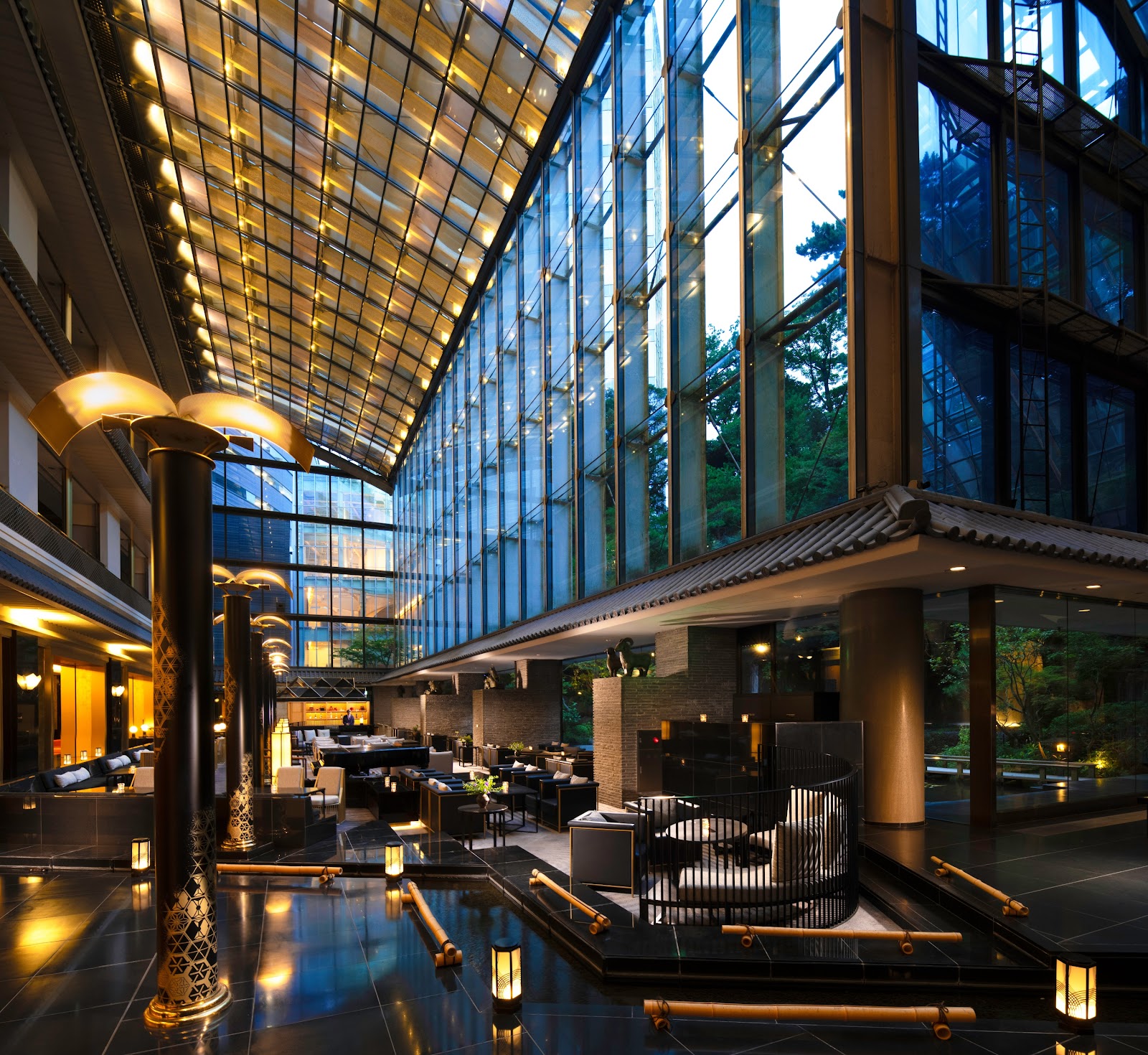
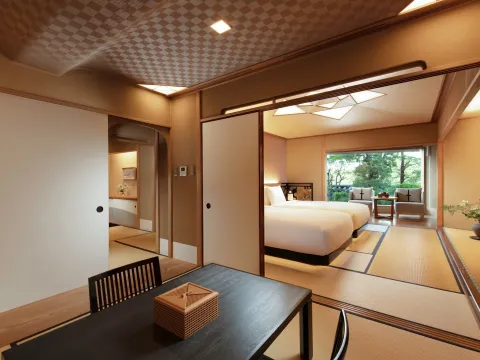
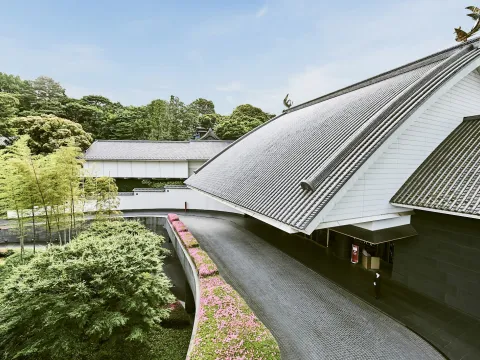
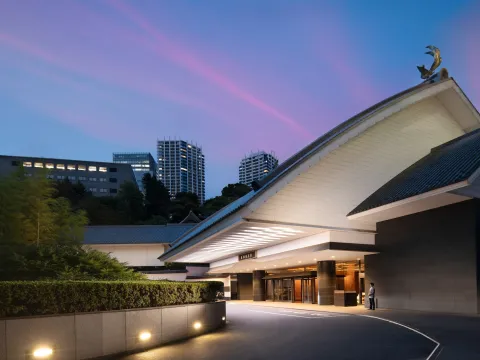
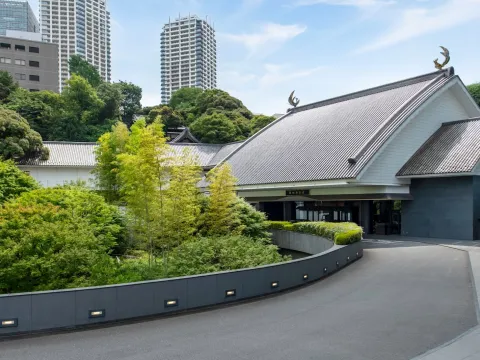
Hotel Gajoen Tokyo doesn't announce itself as a museum, but the first thing most guests do is climb the Hyakudan Kaidan, the century-old staircase saved when the original 1931 building by Rikizo Hosokawa came down for Tokyo's postwar flood defences. The hotel's own guides are quick to point out that it is called the "hundred-step staircase" but in fact counts only ninety-nine steps, an intentional nod to a Japanese preference for odd numbers and for an "unfinished" figure that leaves the future open. Seven lacquered rooms flank the stairs, each kept to a different theme, and the effect sets the tone for a stay built around looking as much as resting.
We chose Gajoen for what survives inside it. The 1991 rebuild, led by architects Nikken Sekkei and Kajima, could have erased the original building entirely; instead, whole rooms, carved transoms, and painted ceilings from the 1930s were dismantled and reinstalled inside the new structure, including work connected to the nihonga painter Kiyokata Kaburagi. That continuity is rare in a city that rebuilds often, and it gives the hotel a weight that newer luxury openings in Tokyo can't fake. For a traveller who reads a building as closely as a guidebook, a property that treats its own history as the main amenity is an easy case to make.
Meguro sits a few stops south of Shibuya on the Yamanote Line loop, and the hotel is a five-minute walk from Meguro Station, close enough for the subway but far enough to feel residential. The ward trades the density of central Tokyo for quieter streets, independent coffee bars, and the Meguro River, lined with cherry trees within easy reach on foot. Guests who want to step from the airport express straight into Tokyo's design and gallery circuit, then retreat somewhere calmer at night, get both without changing neighbourhoods.
Prix : Luxe
Vibe : Heritage, art-filled, theatrical yet calm
Chambres : 60 rooms in total
Best For : Design-focused travellers, couples marking an occasion, first-time visitors who want Tokyo's history folded into their stay
Our Favorite Thing About the Hotel : The Hyakudan Kaidan's ninety-nine steps, each paired with a different seasonal kokeshi doll
Dining : On-site restaurants spanning Japanese and international cuisine, plus banquet rooms used for weddings and events
Amenities : Private garden, koi-filled grounds, wedding chapel, rotating seasonal art exhibitions in the Hyakudan rooms
Attractions : Meguro River cherry-blossom walk, Meguro Station five minutes on foot, Yamanote Line access to Shibuya and central Tokyo
Visiting the Hyakudan Kaidan isn't an afterthought here, it is close to the point. Each of the seven rooms along the staircase holds a different kind of craftsmanship: lacquer and gilt ceilings in one, nature motifs with animal-shaped lanterns in another, contemporary glasswork in a third. The exhibitions rotate with the seasons, so a return visit genuinely shows something new. Families and first-time guests tend to arrive early just to walk the stairs before check-in; it works as well for a quiet solo wander as it does for a group marking a special occasion.
Check-in runs from 3pm and check-out is at noon, and children are welcome throughout the hotel, though the staircase exhibition charges a small separate entry fee for non-guests. English and Japanese are both spoken at the desk. The hotel leans into weddings and banquets alongside its overnight rooms, so it is worth confirming a quiet weekend if a wedding party is the opposite of what you are after. On-site parking suits guests arriving by car rather than the Yamanote Line.
We chose this address because it treats a hotel lobby like a public square rather...
We liked Azabu Ten Tokyo most for its concept: each of its ten rooms is...
We added The Aoyama Grand Hotel as the design pick on this list: 42 rooms...