Discover the best hotels in Ishikawa Prefecture Japan, from Kanazawa city hotels near the castle to Noto Peninsula ryokan and Nanao onsen resorts, with practical tips on room types, seasons and booking.
Best hotels in Ishikawa Prefecture Japan: Kanazawa, Noto Peninsula and Nanao stays
Why Ishikawa Prefecture is worth a dedicated hotel stay
Sea mist from the Sea of Japan rolls over tiled roofs in Kanazawa before breakfast. That single image explains why Ishikawa Prefecture deserves more than a rushed overnight. This is a region where traditional accommodation, hot spring culture and discreet luxury still feel anchored in daily life, not staged for visitors.
For a first stay in Ishikawa, Kanazawa Japan is the natural base. The compact centre around Kanazawa Station, Kanazawa Castle and Kenrokuen Garden concentrates many of the prefecture hotels that appeal to international guests, from polished star hotel options to intimate ryokan-style properties. Further north, the Noto Peninsula and the small city of Nanao offer a different rhythm entirely, with rooms facing fishing harbours and satoyama satoumi landscapes where rice terraces meet the sea.
Choosing a hotel in Ishikawa Prefecture is ultimately a choice between atmospheres. Urban culture and easy transport in Kanazawa, or coastal quiet and hot spring towns in the countryside. Both work beautifully for a three to five night stay Ishikawa, but they suit different travellers and different seasons.
Staying in Kanazawa: castle views, gardens and city comfort
Stone walls of Kanazawa Castle catch the late afternoon light just a 10 to 15 minute walk from many central hotels. Stay near this axis and you can move on foot between the castle park, Kenrokuen Garden and the historic chaya district without ever needing a taxi. It is the most convenient choice if you want to balance sightseeing with a refined, low-effort city break.
The area between Kanazawa Station and the castle concentrates a wide range of accommodation in Ishikawa, including international-style star hotel properties with large room categories, club floors and Western bedding. Flagship options such as Hotel Nikko Kanazawa and Hyatt Centric Kanazawa sit right by the station, with upper floors offering city views, breakfast buffets and easy access to shinkansen platforms. Some of these city hotels echo the “Hyatt Centric” style of contemporary design and efficient layouts, even if they carry different names. Expect clean-lined interiors, generous beds and bathrooms that feel closer to an urban residence than a traditional inn.
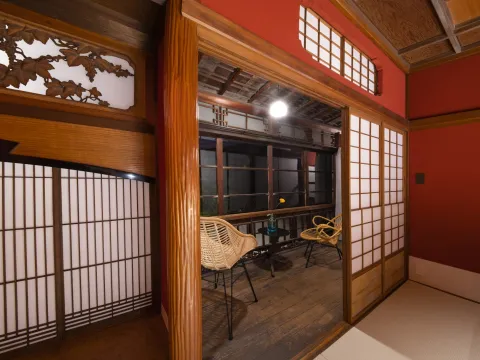
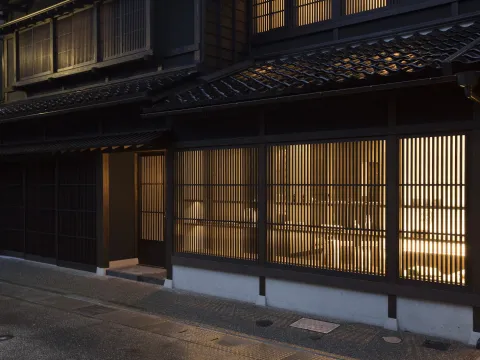
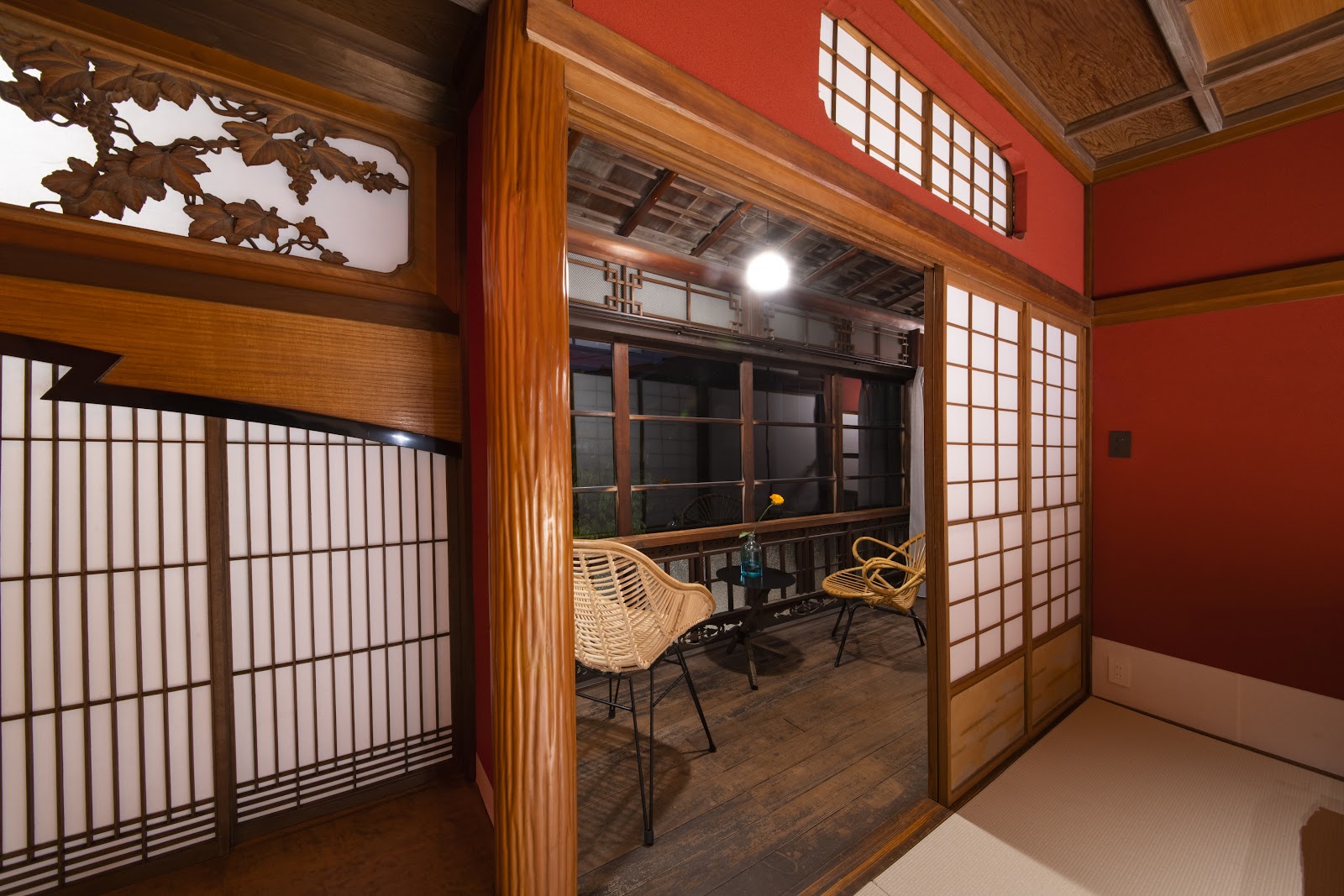
For a more local mood, look just off the main avenues leading to the Higashi chaya district. Here you will find smaller, traditional stays with tatami rooms, sliding shōji screens and the soft creak of wooden corridors. Mid-range machiya rentals and boutique inns often include simple Japanese breakfasts and shared indoor baths, while higher-end Kanazawa hotels with onsen-style communal baths may add small outdoor tubs and relaxation lounges. They rarely have the same number of facilities as a big centric Kanazawa property, but they compensate with quiet, personal service and the pleasure of walking back along lantern-lit streets after dinner.
Onsen and hot spring towns: where to seek real immersion
Steam rising from an outdoor hot spring bath at dawn is one of Ishikawa’s defining experiences. The prefecture is dotted with onsen towns, each with its own water source, temperature and character. Staying in one of these hot spring areas changes the rhythm of your trip completely.
South of Kanazawa, several long-established onsen settlements line the river valleys. In places such as Kaga Onsen, Yamashiro and Yamanaka, traditional ryokan-style hotels focus on spring baths, seasonal kaiseki dinners and rooms that open onto gardens or forested hillsides. You trade the convenience of being near Kanazawa Station for the luxury of doing very little: soaking, eating, sleeping, repeating. For many guests, that is precisely the point.
On the Noto Peninsula and around Nanao, hot spring hotels often face the Sea of Japan. Wakura Onsen, just outside Nanao, is known for large seaside ryokan where rooms may have wide windows framing fishing boats and distant islands, and some properties offer private open-air baths attached to the room itself. If you value silence, sea air and the feeling of being far from urban Japan, these coastal onsen stays are more compelling than any city hotel, even if the facilities are simpler and the availability of late-night dining is limited.
Noto Peninsula and Nanao: coastal retreats and satoyama satoumi
Winding roads along the Noto Peninsula bring you to fishing villages, terraced rice fields and small shrines perched above rocky coves. Hotels in this part of Ishikawa Prefecture tend to be low-rise, often hugging the shoreline or set slightly back among trees. They suit travellers who prefer a retreat-style stay over a checklist of sights.
Nanao, roughly 60 km north-east of Kanazawa, works as a practical gateway to the peninsula. From here, you can explore satoyama satoumi landscapes during the day and return to a comfortable room with a view of the bay at night. In Wakura Onsen, representative Noto Peninsula ryokan such as Kagaya or Aenokaze are known for elaborate dinners, large communal baths and rooms facing Nanao Bay, with prices that rise significantly on weekends and holidays. Expect a slower pace: fewer restaurant options within walking distance, but more direct contact with local food culture, from grilled seafood to regional sake served in the hotel dining room.
Compared with Kanazawa, availability in Noto can be more limited during peak seasons, especially in summer and during long weekends in Japan. It is wise to check dates early if you want a specific room type, such as a corner room facing the sea or a suite with a private onsen. The trade-off is clear: you sacrifice some spontaneity for the reward of waking up to nothing but waves and gulls.
How to choose your hotel: rooms, stars and what really matters
Room size and layout vary widely across hotels in Ishikawa. In Kanazawa’s central district, international-style properties near Kanazawa Station and the castle often offer Western beds, clear star ratings and multiple room categories, from compact doubles to larger corner rooms. In more traditional inns, you sleep on futon laid out on tatami, and the room itself transforms between day and night.
Star classifications can be a useful first filter, but they do not tell the whole story. A modestly rated ryokan with wonderful spring baths and attentive staff can feel more luxurious than a higher-star city hotel with a generic atmosphere. When you check options, pay close attention to whether the stay includes dinner and breakfast, whether there are shared onsen facilities, and how many rooms the property has; fewer rooms often mean a quieter, more personalised experience.
For many travellers, the most important decision is not the official category but the balance between privacy and immersion. Do you want a free, flexible schedule with independent restaurants on your doorstep, or are you happy to commit to set meal times and spend most of your evening inside the hotel? Clarifying this before you book will narrow the field more effectively than comparing every price and amenity line by line.
Availability, timing and practical booking strategy
Season shapes both availability and atmosphere in Ishikawa Prefecture. Spring brings cherry blossoms around Kanazawa Castle and Kenrokuen Garden, while autumn colours the hills around the onsen towns and the Noto Peninsula. These are also the periods when availability in popular hotels Ishikawa drops fastest, especially for weekends and rooms with views.
For Kanazawa, booking a centric hotel within walking distance of Kanazawa Station or the main sights is usually straightforward outside national holidays, but last-minute stays during peak foliage or festival periods can be challenging. In contrast, coastal and hot spring areas may have fewer rooms overall, so a single group booking can significantly affect availability hotel options on your chosen dates. Planning two to three months ahead is a sensible baseline for a premium stay Ishikawa.
When comparing options, look beyond the headline price. Consider whether meals are included, whether access to onsen or spring baths is part of the stay or charged separately, and how transport will work from your arrival point. A slightly higher nightly rate in a well-located property can feel like better value than a cheaper room that requires long transfers and taxis every day.
Who Ishikawa’s hotels suit best
Travellers who appreciate nuance rather than spectacle tend to fall hardest for Ishikawa. If you enjoy lingering over tea in a quiet lobby, watching rain fall over a castle moat, or soaking in an outdoor onsen while the air is cold enough to see your breath, this prefecture will feel like a natural fit. It rewards those who notice small details more than those chasing a long list of attractions.
Kanazawa’s central hotels work well for first-time visitors to Japan, families and anyone who wants a clear structure to their stay, with museums, gardens and dining all within a short walk or tram ride. The Noto Peninsula, Nanao and the inland hot spring towns are better suited to repeat visitors, couples and travellers who are comfortable with quieter evenings and fewer English-language menus. Here, the luxury lies in space, silence and the rhythm of local life.
If you are torn between the two, consider a split stay: two or three nights in Kanazawa for culture and food, followed by two nights in an onsen or coastal hotel for recovery. That combination captures the essence of hotel Ishikawa Prefecture Japan in a single trip, without feeling rushed or overplanned.
Best hotels in Ishikawa Prefecture Japan – is it the right choice for your trip?
Ishikawa Prefecture is an excellent choice if you value refined hospitality, strong sense of place and a balance between city culture and coastal or hot spring retreats. Kanazawa offers convenient, comfortable hotels near major sights like Kanazawa Castle and Kenrokuen Garden, while the Noto Peninsula, Nanao and inland onsen towns provide quieter stays focused on nature, hot spring bathing and traditional Japanese rooms. It is less suited to travellers seeking nightlife or constant entertainment, but ideal for those who want thoughtful service, atmospheric streets and the time to slow down.
FAQ
What types of hotels are most common in Ishikawa Prefecture?
Ishikawa Prefecture offers two main types of accommodation; modern city hotels in Kanazawa with Western-style rooms and clear star ratings, and traditional ryokan-style properties in hot spring towns and coastal areas. City hotels tend to focus on convenience and contemporary comfort, while ryokan stays emphasise onsen bathing, multi-course dinners and tatami rooms that change function between day and night.
Is Kanazawa a good base for exploring Ishikawa?
Kanazawa is an excellent base because it combines cultural highlights with practical transport. Staying near Kanazawa Station or between the station and Kanazawa Castle gives easy access to Kenrokuen Garden, the chaya district and day trips to nearby areas, while still offering a wide choice of restaurants and shops within walking distance of most hotels.
When should I book my hotel in Ishikawa for the best availability?
For popular periods such as cherry blossom season, autumn foliage and long holiday weekends in Japan, it is wise to secure your hotel in Ishikawa Prefecture two to three months in advance, especially for onsen towns and Noto Peninsula properties with limited room numbers. Outside these peaks, Kanazawa usually has reasonable availability, but specific room types with views or private baths can still sell out early.
Are onsen hotels suitable for first-time visitors to Japan?
Onsen hotels in Ishikawa can be very rewarding for first-time visitors who are open to Japanese customs such as shared bathing areas and set meal times. If you prefer a gentler introduction, consider starting with a night or two in a Kanazawa city hotel, then adding one or two nights in a hot spring town, so you can enjoy the experience without feeling overwhelmed by unfamiliar etiquette.
Should I stay only in Kanazawa or also in Noto or Nanao?
If your trip is short, a stay focused on Kanazawa offers the best mix of culture, dining and ease of movement. For longer itineraries of four nights or more, splitting your time between Kanazawa and either the Noto Peninsula or Nanao gives a richer sense of Ishikawa, combining urban comforts with sea views, satoyama satoumi landscapes and quieter hot spring experiences.
To decide, outline your priorities, check availability for your preferred dates, then reserve your Ishikawa hotels once you find a combination of location, room type and budget that feels right for your trip.