Hakuba · Hotels
Hotel La Neige Higashi-kan
We added Hotel La Neige Higashi-kan for the one thing that matters most in Hakuba:...
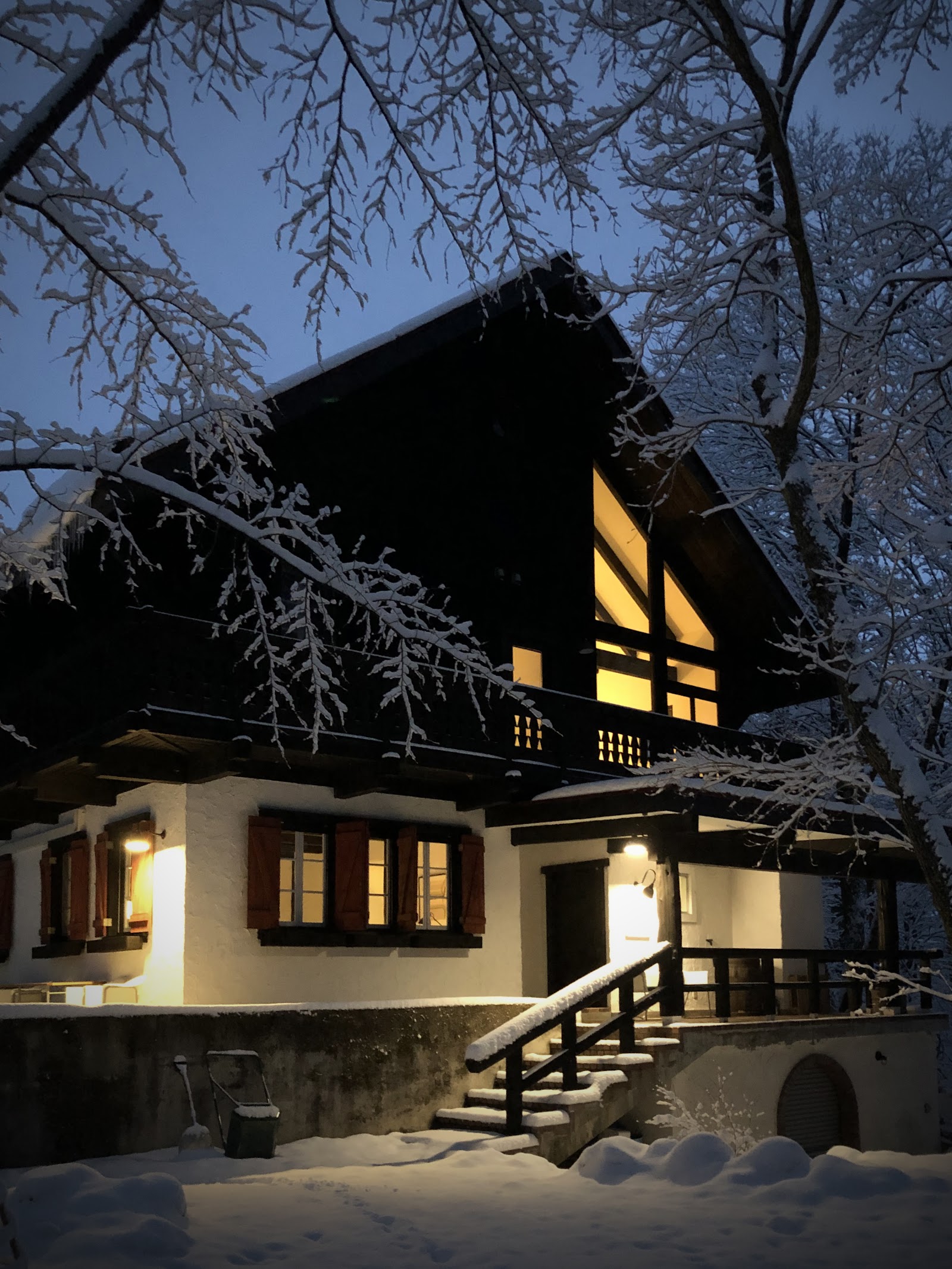
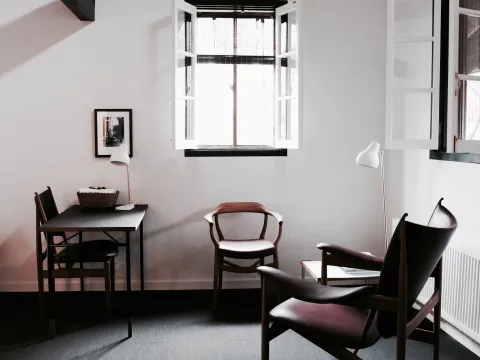
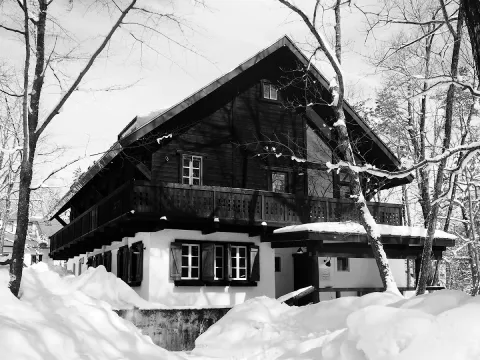
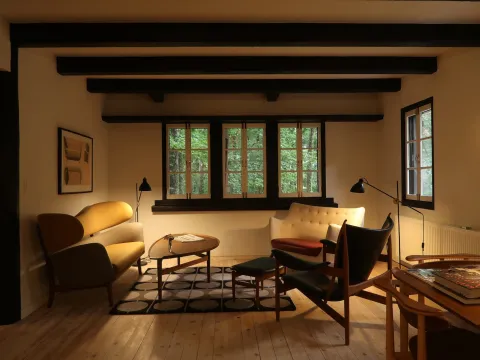
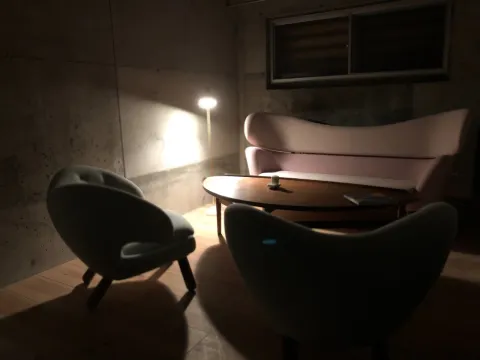
House of Finn Juhl Hakuba bills itself as the first hospitality project to merge Danish interior design with Japanese mountain culture, and it commits to the idea further than a themed lobby would suggest: every piece of furniture in the building comes from Finn Juhl, the Danish designer whose mid-century work is held in design museums worldwide. Onecollection, which has held exclusive production rights to his designs since 1998, built the pieces across workshops in Denmark and Japan specifically for this hotel, converting a lodge in the Hakuba valley into what is effectively a working showroom for one designer's complete vision of a room.
We chose this address because Finn Juhl himself believed in designing entire interiors rather than standalone furniture, and this hotel is the rare project actually built to test that idea at full scale: soft bedlinen, organic toiletries and ambient lighting are chosen to match the furniture's downplayed elegance rather than compete with it. With only six double rooms, a single dining hall and one bar, the hotel stays small enough that the design concept never gets diluted by scale, and Hakuba's ski terrain sits close enough to fill the daylight hours around it.
Hakuba, in Japan's Northern Alps roughly three hours from Tokyo, hosted alpine events at the 1998 Winter Olympics and still draws skiers for terrain that can see around nine centimetres of snowfall a day in season. More than two hundred onsen lie within walking distance of the valley's lodges, and a dining and nightlife scene built up over decades of international ski tourism means the hotel's own small dining hall is a choice rather than a necessity for guests who want to eat out instead.
Price: Luxury
Vibe: Danish design showcase, small-scale, adults-oriented
Rooms: 6 double rooms, no children accepted
Best For: design-minded skiers and couples wanting a boutique, adults-only stay
Our Favorite Thing About the Hotel: every room furnished entirely with licensed Finn Juhl originals
Dining: shared dining hall and bar, deliberately limited to guests
Amenities: shared lounge, sun terrace, ski storage, organic toiletries
Attractions: Hakuba's ski slopes, 200-plus onsen within walking distance
Keeping the hotel to six double rooms was a design decision as much as a business one: Finn Juhl's furniture is produced in limited runs by Onecollection, and a larger hotel would have diluted the sense that each room is a complete, considered interior rather than a hotel template repeated down a corridor. The absence of children among the guest policy reinforces the same logic, keeping the atmosphere closer to a private design residence than a family ski lodge.
A single dining hall and bar serve the entire hotel, a structure that only works at this scale and pushes guests toward the same communal experience a small European design hotel might offer, rather than room service and an anonymous restaurant floor. It is a deliberate trade against the buffet-scale dining most large Hakuba resorts run during peak season.
The valley's draw remains unapologetically the mountain: Hakuba's slopes, built up around the same terrain used for the 1998 Winter Olympics, sit close enough that ski days need no shuttle bus, and the more than two hundred onsen scattered through the valley give guests a very Japanese way to end one, soaking in mineral water within walking distance of a room furnished entirely in Danish teak and leather.