A refined guide to the best hotels and areas in Hakuba, Japan. Understand Happo, Wadano and Echoland, access, room types and how to choose the right ski stay.
Why Hakuba village is worth considering
Snow falls deep and fast in Hakuba. The valley averages around 11 meters of powder each winter, which gives the whole area a serious ski pedigree that few Japanese resorts can match. If you are weighing up where to base yourself in Nagano, Hakuba village is the obvious choice for travelers who want a true snow resort atmosphere rather than a quiet mountain town with one small hill.
What sets Hakuba apart is range. Within the wider Hakuba Valley you have access to around ten ski resorts, from the broad, groomed faces of Hakuba Happo to the tree runs above Hakuba Goryu and the snowier, more remote feel of Hakuba Cortina. Staying in or near the main village Hakuba area means you can use the local bus network to move between ski resorts without committing to a single mountain for your entire stay.
For a first visit, think of hotel Hakuba choices as a triangle. One corner is convenience near the Happo bus terminal, another is the forested calm of Wadano, and the third is the more social Echoland area with its dining nightlife. Each corner has a different rhythm, a different soundscape, and a different style of accommodation Hakuba offers, from discreet hotels with onsen to larger resort Hakuba properties with everything under one roof.
Key areas to stay: Happo, Wadano, Echoland
Happo sits closest to the main lifts of the Hakuba Happo ski resort. Walk out in the early blue light and you will see the gondola cables cutting across the sky above narrow streets lined with ski lockers and steaming drains. Hotels here suit skiers who want to be on the first chair, accept a little bustle, and like the idea of stepping straight from breakfast to the slopes with minimal bus time.
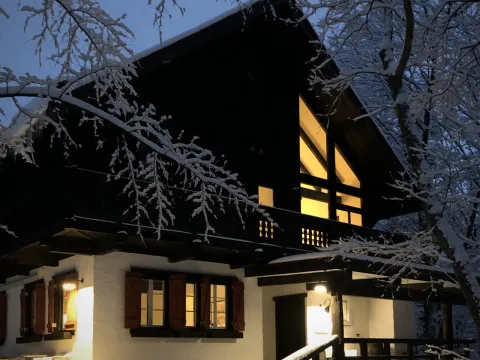
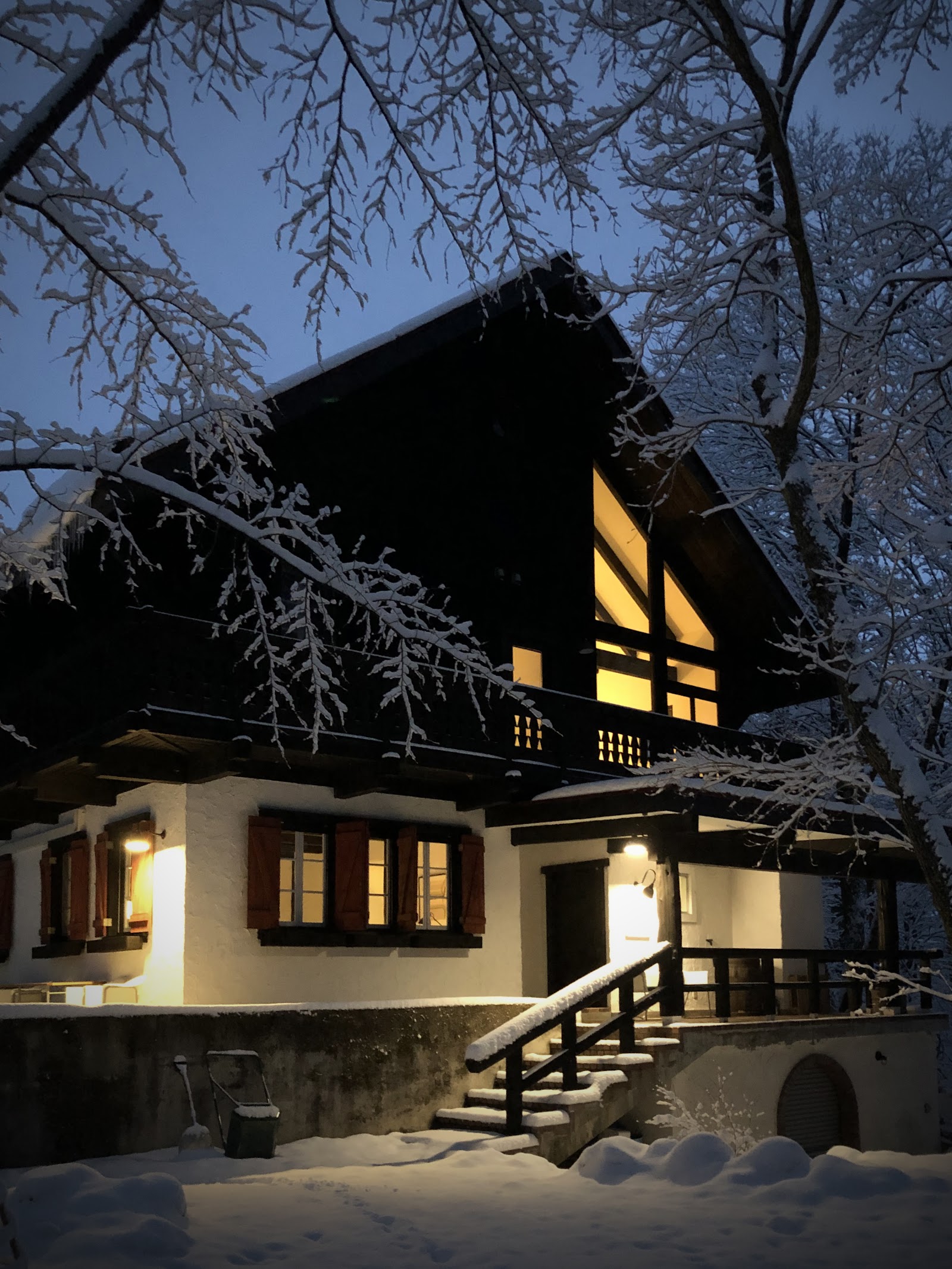
Wadano climbs gently up the hillside behind Happo. Snow piles high on the roofs, and many properties are tucked among tall trees, with views back across the valley to the jagged peaks that define Hakuba. This is where you find quieter accommodation options, often with a more residential feel, and a stronger sense of retreat once the lifts close. The trade-off is that you will rely more on shuttles or the local bus to reach the lifts and the main bus terminal.
Echoland is different again. Centered roughly along the stretch of road between the Hakuba base and Route 148, it has become the dining nightlife hub of village Hakuba. Here, you stay for evenings that stretch from izakaya counters to small cocktail bars, then walk back along lantern-lit streets to your hotel. It is less ski-in, ski-out and more about atmosphere, so it suits travelers who value restaurants and bars as much as the day’s snow.
What to expect from hotels and rooms
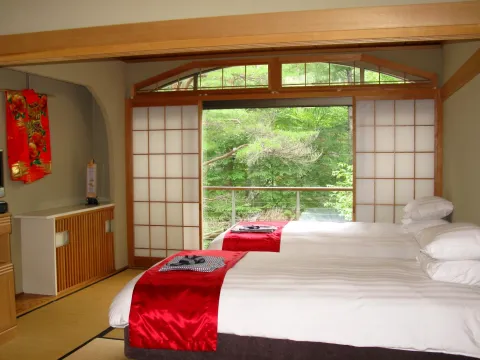
Rooms in Hakuba hotels tend to fall into three broad categories. Western-style rooms with beds and a private bathroom, Japanese-style rooms with tatami mats and futons, and hybrid layouts that combine both. If you are used to international ski resorts, expect slightly more compact floor plans, but also thoughtful storage for gear and a stronger focus on bathing spaces, especially where onsen are involved.
Many higher-end properties in Hakuba village are designed around the ritual of coming back from the snow. You enter through a warm gear room, step past the front desk, and head straight for the baths before even thinking about dinner. A number of hotels offer large communal hot spring baths, sometimes with an outdoor pool facing the forest or the valley, while a smaller set of rooms may include a private bath or a more generous private bathroom for those who prefer to soak in their own space.
Views are a quiet luxury here. In Wadano, upper floors often look directly onto the wooded slopes and the white ridge of the Northern Alps. Near Happo, some rooms frame the lift lines and the bustle of the ski resort, which can be energizing if you like to track the weather and the first tracks from your window. When you compare accommodation options, pay attention to which side of the building your room faces; in winter, a mountain view can transform the feel of even a modestly sized room.
Access, transport and getting around the valley
Most visitors arrive in Hakuba via Nagano city, then transfer by bus into the valley. The ride takes around one hour, climbing steadily until the road opens out and you catch your first view of the peaks above Hakuba village. For many hotels, the main reference point is the Happo bus terminal, which acts as a hub for airport shuttles, local buses and some ski resort transfers.
Once checked in, you will rely on a mix of walking, hotel shuttles and the local bus network. The so-called Happo bus routes link the central area with outlying zones such as Wadano and the base stations of different ski resorts. If you plan to ski multiple mountains in one trip, staying within easy reach of a bus stop is more important than being directly under one lift line.
Distances are short but conditions matter. A ten-minute walk on dry pavement feels very different when you are carrying skis through fresh happo snow. In deep winter, it is often worth choosing a hotel slightly closer to the slopes or to a main bus stop, even if that means compromising a little on view or room size. In shoulder seasons, when the snow recedes and the valley turns green, walking and cycling between areas like Echoland and Happo becomes part of the pleasure.
Matching areas and hotels to your travel style
Dedicated skiers who want to chase conditions across the Hakuba Valley should think strategically. A base near the central bus terminal or along a main bus route makes it easier to reach Hakuba Goryu one day, then head north towards Hakuba Cortina the next when the snow forecast looks promising. In this case, prioritize access and storage for equipment over the most secluded setting.
Couples and small groups looking for a quieter stay often gravitate towards the upper parts of Wadano or the more tucked-away streets behind the main Happo lifts. Here, you can find hotels that feel more like mountain lodges, with lounges oriented towards the view and a slower pace once the last bus has passed. The atmosphere is less about après-ski noise and more about reading by the fire after a long soak.
For travelers who care as much about evenings as about first tracks, Echoland and its surroundings are the natural choice. You will be slightly more dependent on the bus to reach certain ski resort bases in the morning, but you gain the ability to walk to dinner, try a different bar each night, and still return easily to your room. Families might prefer the convenience of a resort-style property closer to the lifts, where everything from rental shops to casual dining is contained within a short, flat walk.
How to choose the right Hakuba hotel
Start with the season. In peak winter, when the valley is at its busiest, the most sought-after hotels near the main ski resort bases and the Happo bus terminal can fill quickly, so it pays to decide early which area suits you. In spring or summer, when Hakuba shifts towards hiking and mountain biking, you can afford to be more flexible and focus on view, outdoor space and access to trails rather than immediate lift proximity.
Then look closely at room details. If you value privacy, confirm whether your category includes a full private bathroom or whether some facilities are shared, which is still common in more traditional properties. Decide whether you want a Western bed or are curious to try a Japanese-style futon on tatami; both can be comfortable, but they create a very different sense of space. For longer stays, a slightly larger room with a seating area can make a noticeable difference once your ski bags and layers of clothing spread out.
Finally, consider the rhythm of your days. If you plan to ski hard, eat simply and sleep early, a calm hotel in Wadano or close to Hakuba Happo lifts will serve you better than a lively street in Echoland. If your ideal evening involves exploring dining nightlife, look for accommodation in or near the Echoland area, even if that means a short bus ride to the slopes each morning. Hakuba’s strength lies in its variety; with a clear sense of your priorities, you can find a hotel Hakuba stay that feels precisely tuned to the way you like to travel.
Best time to visit Hakuba for hotels and skiing?
For skiing, the prime time to visit Hakuba is from late December to early March, when the snow resort network across the Hakuba Valley usually has full coverage and the deepest base. January often brings the most consistent powder, while February can offer slightly clearer days with excellent conditions on the main ski resorts. Outside winter, hotels stay open for green-season stays, with June to October better suited to hiking, cycling and enjoying the mountain scenery without snow.
Is Hakuba a good choice for first-time skiers in Japan?
Hakuba is well suited to first-time skiers, especially those who want a mix of gentle slopes and a full-service resort environment. Several ski resorts in the valley offer wide beginner areas and English-speaking ski schools, and many hotels are used to hosting international guests who are new to Japanese mountains. Staying near Hakuba Happo or Hakuba Goryu makes it easier to access beginner-friendly terrain and rental shops without long transfers.
Do Hakuba hotels usually have English-speaking staff?
Many hotels in Hakuba village have English-speaking staff, particularly those that cater to international skiers and operate close to major lifts or the bus terminal. You can generally expect front-desk teams in the larger properties to handle check-in, basic local guidance and ski resort information in English. In smaller, more traditional accommodations, English may be more limited, but clear signage and the structured nature of ski travel keep things manageable.
How do I move between different ski resorts in Hakuba Valley?
Movement between ski resorts in Hakuba Valley is mainly by bus, using a network of shuttles that link the central village Hakuba area with bases such as Hakuba Goryu and Hakuba Cortina. The Happo bus terminal acts as a key interchange, and many hotels run their own shuttles to nearby lifts at peak times. If you plan to explore multiple mountains, choosing accommodation close to a main bus stop or shuttle route is more practical than focusing only on walking distance to a single lift.
Is Hakuba only interesting in winter?
While Hakuba is best known for its winter ski season, the valley has a distinct appeal once the snow melts. From late spring, the mountains around Hakuba village open up for hiking, trail running and cycling, with clear views of the Northern Alps that are often hidden by storms in midwinter. Hotels shift their focus towards outdoor activities, onsen relaxation and cooler mountain air, making Hakuba a pleasant base in Nagano for travelers who prefer green landscapes to ski slopes.