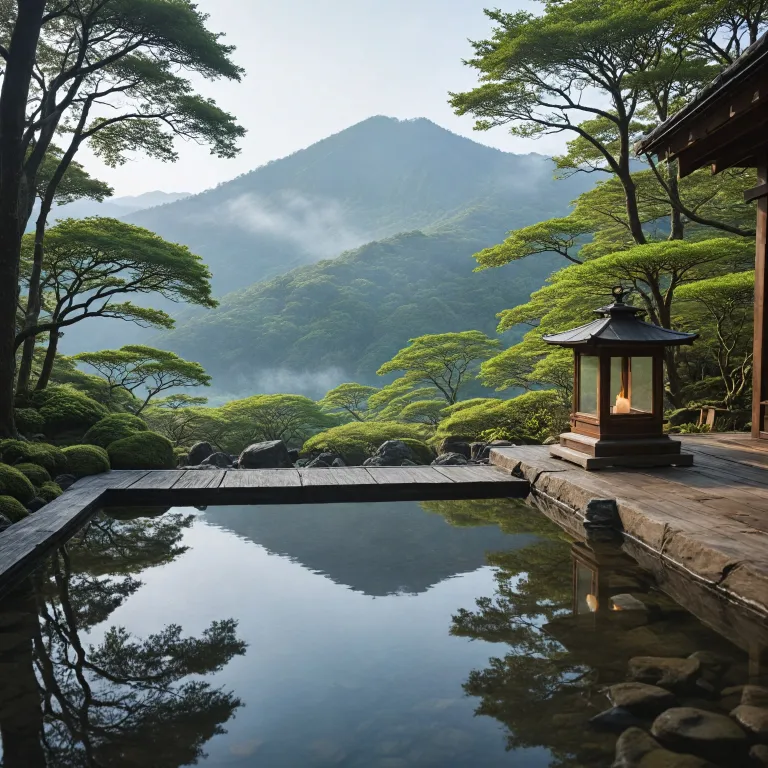
Hakone kyuan as a serene retreat in Hakone Japan
Nestled in the hills of Hakone Japan, Hakone Kyuan offers an intimate hideaway with only ten rooms designed for calm. Each room balances traditional tatami aesthetics with discreet modern comforts, creating a refined atmosphere that feels both grounded and indulgent. With Hakone’s forested slopes and distant peaks as a backdrop, the ryokan invites guests to slow down and reconnect with the natural rhythm of the region.
The property is positioned within easy reach of the Hakone Tozan railway, making the journey from station to ryokan pleasantly straightforward. Many travellers arrive via the nearby station Hakone area, then continue by taxi to the kyuan hotel, appreciating how quickly the landscape shifts from urban to tranquil. This convenient access is especially valuable for guests planning short stays, who want to reserve more time for the onsen experience rather than navigating complex transfers.
Inside Hakone Kyuan, each room is individually arranged, with some rooms open to semi open terraces that frame the surrounding greenery. Guests can select a special room layout that suits their preferences, whether they favour a more traditional Japanese space or a Japanese Western configuration with beds instead of futons. The limited number of rooms ensures a quiet ambience, where the air feels still and the service remains highly attentive.
Flat screen televisions, refrigerators, and carefully controlled air conditioning are standard in every room, yet they never dominate the space. Instead, the design subtly directs attention toward the private onsen baths and the views beyond, which are the true highlights of Hakone Kyuan. For many visitors, this balance between understated technology and timeless materials defines the essence of a luxury ryokan in Hakone Japan.
Private onsen, open air baths, and the allure of Hakone hot springs
The heart of Hakone Kyuan lies in its hot spring culture, with each room featuring a private onsen that draws mineral rich water from the surrounding Hakone onsen sources. Guests can step directly from their tatami area into a private bath, where the open air or semi open design allows steam to mingle with the cool mountain air. This intimate connection between air, water, and landscape transforms a simple bath into a deeply restorative ritual.
Some rooms open onto terraces with open air baths that frame the sky, while others offer a semi open configuration that protects from wind yet maintains a sense of outdoor immersion. Travellers who value privacy often reserve a special room with a private onsen facing the forest, creating a personal sanctuary that feels far removed from city life. The combination of hot spring water, fresh air, and quiet surroundings is particularly appealing after a day exploring Hakone’s museums and walking trails.
Hakone Kyuan’s emphasis on private baths reflects a broader trend in luxury ryokan experiences in Japan, where guests increasingly seek secluded wellness rather than shared facilities. For readers comparing properties, this focus aligns with other high end stays highlighted in guides to luxury ryokan experiences in Japan. At Hakone Kyuan, the air bath concept, where hot spring water meets cool evening breezes, is particularly memorable during quieter shoulder seasons.
Rooms at the kyuan hotel are designed so that the private bath area feels like a natural extension of the living space rather than a separate zone. This layout encourages guests to use the hot spring several times a day, from a gentle morning soak to a final night time immersion under the stars. For travellers seeking a vip room ambience without overt formality, the combination of private onsen, open air design, and attentive yet discreet service is a compelling reason to reserve Hakone Kyuan.
Rooms, layouts, and how to reserve the right special room
With only ten rooms, Hakone Kyuan requires thoughtful planning when you reserve, especially during peak Hakone onsen seasons. Travellers should first consider whether they prefer a Japanese Western layout with beds or a more traditional tatami room with futons, as both styles are available in different rooms. Families and couples often appreciate the flexibility of Japanese Western rooms, which combine familiar bedding with the elegance of a ryokan setting.
Several rooms open onto terraces with open air or semi open baths, and these are often the first to sell out. When you reserve a special room with a private onsen, it is wise to check details such as view orientation, bath size, and whether the air bath is fully open air or partially enclosed. Guests who value maximum privacy may prefer a semi open configuration, while others prioritise a wide sky view from the hot spring.
Luxury travellers comparing Hakone Kyuan with other destinations in Japan can benefit from broader booking advice, such as the guidance offered in resources on how to book a premium ryokan in Kyoto. The same principles apply here : book early, confirm room categories, and clarify any special requests before arrival. At Hakone Kyuan, this might include asking about a vip room style setup, dietary preferences for breakfast and dinner, or the number children allowed in specific rooms.
Before confirming, guests should also check practical details such as hour reception coverage, late arrival policies from the nearest station, and luggage handling. Because the kyuan hotel operates with a small team, clear communication helps ensure that every special room request is honoured smoothly. This careful matching of room type, private bath style, and service expectations is central to a satisfying stay at Hakone Kyuan.
Access, stations, and navigating Hakone for first time visitors
Reaching Hakone Kyuan typically involves travelling on the Hakone Tozan line, a scenic railway that climbs gradually into the mountains. Many guests arrive via chokoku mori or the nearby Mori station area, then continue by taxi from the station Hakone zone to the ryokan’s entrance. This final leg is short yet atmospheric, as the air cools and the road winds through trees and quiet residential pockets.
For travellers arriving from Tokyo or other major cities in Japan, it is advisable to check train timetables in advance, especially if you expect to reach Hakone in the late afternoon. The hour reception at Hakone Kyuan is designed to accommodate typical arrival patterns, but informing the property of your estimated time helps the team prepare your room and hot spring bath. Guests with children should also confirm the number children staying, as some room categories have specific occupancy guidelines.
Once checked in, most visitors find that they rarely need to use public transport again until departure, because the ryokan encourages a slower rhythm of stay. However, those wishing to explore Hakone’s cultural attractions can easily arrange short transfers to sites such as the Hakone Open Air Museum, Hakone Museum of Art, or Hakone Kowakien Yunessun. The proximity of these venues allows guests to enjoy art, nature, and hot spring leisure before returning to the calm of their private onsen.
Travellers interested in extending their journey across Japan might pair Hakone Kyuan with other traditional stays, such as those on Miyajima, where curated guides to an authentic Japanese island ryokan stay provide useful inspiration. In every case, planning around station connections, luggage transfers, and reception hours ensures a smoother experience. For guests who value both efficiency and serenity, this attention to logistics makes the transition from train carriage to hot spring room feel effortless.
Cuisine, breakfast rituals, and Japanese Western dining at Hakone Kyuan
Dining at Hakone Kyuan is an integral part of the stay, with seasonal kaiseki dinners and carefully prepared breakfast served either in room or in a dedicated dining space. The cuisine highlights local ingredients from Hakone and the wider Kanagawa region, presenting them in a sequence that reflects traditional Japanese hospitality. Guests often comment that the measured pace of each course mirrors the unhurried rhythm of the hot spring experience.
In the morning, breakfast can follow either a classic Japanese style or a Japanese Western approach, depending on guest preference. The Japanese Western breakfast might include eggs, fresh bread, and dairy elements alongside miso soup and grilled fish, creating a bridge between familiar flavours and regional specialities. Families travelling with a higher number children often appreciate this flexibility, as it allows everyone to start the day comfortably before exploring Hakone Japan.
Throughout the stay, staff remain attentive to dietary needs, so it is wise to check and communicate any restrictions when you reserve your room. Because the kyuan hotel operates on a relatively small scale, the kitchen can often adapt menus for special occasions, anniversaries, or guests booking a vip room style celebration. This personalised approach reinforces the sense that each room, bath, and meal is tailored to the individual rather than delivered as a standard package.
Between meals, many guests return to their private onsen or air bath, letting the warmth of the hot spring support digestion and relaxation. The interplay of hot water, cool air, and quiet surroundings enhances the sensory memory of each dish, from delicate sashimi to slow simmered vegetables. In this way, the culinary and bathing experiences at Hakone Kyuan become inseparable parts of a single, carefully orchestrated stay.
What sets Hakone Kyuan apart in Japan’s luxury ryokan landscape
Hakone Kyuan distinguishes itself through its fusion of traditional design, modern amenities, and an emphasis on private onsen experiences. Rooms are equipped with flat screen TVs, air conditioning, refrigerators, and private hot spring baths, yet the overall atmosphere remains serene and understated. This balance appeals to travellers who want the authenticity of a ryokan without sacrificing contemporary comfort.
The renovation of the property enhanced its interiors while preserving the quiet character of a classic Hakone retreat. With only ten rooms open to guests, the ryokan maintains an intimate scale that supports personalised service and a calm environment. Many visitors feel that this limited number of rooms, combined with semi open and open air baths, creates a sense of seclusion that is rare even among high end properties.
Hakone’s reputation as a hot spring destination continues to grow, and Hakone Kyuan contributes to this appeal by promoting a deeper appreciation of Japanese bathing culture. The ryokan’s collaboration with local artisans and chefs ensures that both the physical spaces and the cuisine reflect regional identity. As interest in private onsen and special room configurations increases, properties like the kyuan hotel are likely to remain highly sought after among discerning travellers.
For guests comparing options across Japan, it is helpful to note that Hakone Kyuan offers a coherent experience where room design, hot spring access, and dining are all aligned. Whether you are seeking a vip room ambience, a quiet retreat after visiting the Hakone Open Air Museum, or a base for exploring the wider Hakone Japan area, the ryokan provides a refined yet approachable setting. In a market crowded with luxury choices, this clarity of purpose and attention to detail make Hakone Kyuan a compelling choice for your next stay.
Key statistics about Hakone Kyuan and luxury ryokan stays
- Hakone Kyuan offers 10 rooms, ensuring an intimate and quiet atmosphere for guests seeking privacy.
- Typical room rates at Hakone Kyuan start around 45 000 JPY per night, reflecting its positioning as a luxury ryokan in Hakone Japan.
- The property operates year round, allowing guests to experience Hakone’s hot spring culture across all seasons.
Essential questions about Hakone Kyuan
What amenities are available at Hakone Kyuan?
What amenities are available at Hakone Kyuan? Rooms feature flat-screen TVs, air conditioning, refrigerators, and private hot-spring baths.
What dining options are offered?
What dining options are offered? Guests can enjoy seasonal Japanese cuisine and kaiseki dinners prepared with local ingredients.
Are there nearby attractions?
Are there nearby attractions? Yes, attractions include Hakone Kowakien Yunessun, Hakone Museum of Art, and the Hakone Open-Air Museum.