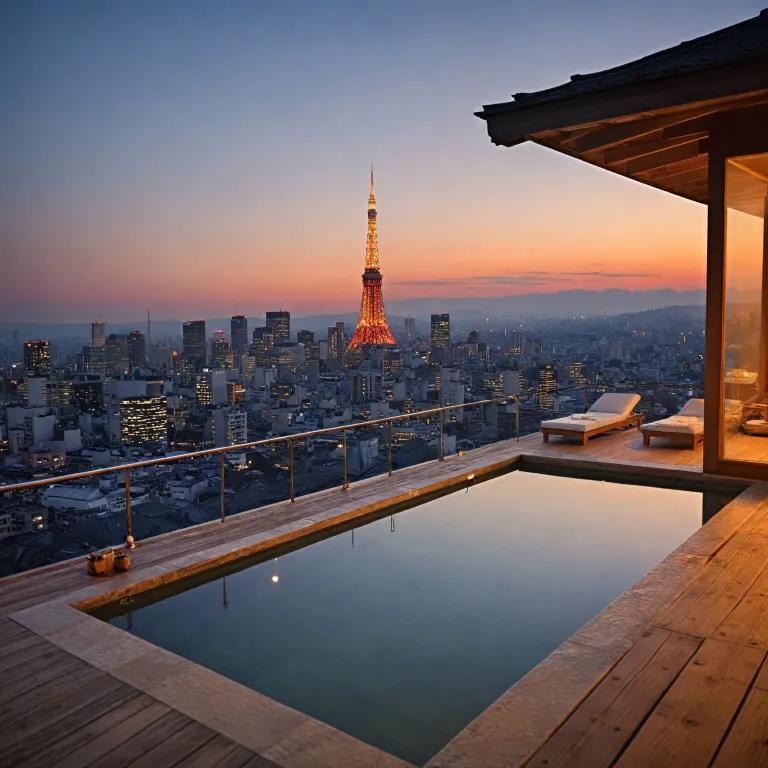
Urban serenity: what to expect from an onsen hotel in Tokyo
Choosing an onsen hotel in Tokyo means blending urban energy with deep relaxation. In the Japanese capital, the contrast between neon streets and a quiet onsen room creates a uniquely restorative stay for guests. Many travellers arrive with the thought that hot springs exist only in the countryside, yet Tokyo onsen experiences can feel just as authentic.
In the city centre, Hoshinoya Tokyo stands out as a modern ryokan that rises vertically instead of spreading across a valley. This hotel combines tatami floors, yukata robes, and a rooftop hot spring bath with discreet contemporary service for international guests. Its natural hot waters and calm air bath spaces offer a refined alternative to larger hotels that focus mainly on business travellers.
Hotel Chinzanso Tokyo offers another style of onsen hotel, with a lush garden and a full spa that includes a Japanese onsen. Here, guests can move from an indoor bath to semi open air areas, then enjoy a slow breakfast or buffet breakfast overlooking the greenery. For many visitors, this combination of hot springs, excellent service, and tranquil views turns a simple night into a memorable wellness escape.
La Vista Tokyo Bay and APA Hotel Asakusa Tawaramachi Ekimae show how an onsen hotel can also suit a tighter budget. These hotels provide access to hot baths and, in some cases, rooftop hot springs with skyline views, while keeping room rates accessible. Their good reviews often highlight convenient locations, such as easy access to ueno station or a short minute walk from key subway stops.
Comparing luxury ryokan style stays and modern onsen hotels
When planning your booking, it helps to understand the difference between a traditional ryokan and a contemporary onsen hotel in Tokyo. A ryokan such as Hoshinoya Tokyo focuses on immersive Japanese rituals, from tatami rooms to kaiseki style breakfast dinner. In contrast, larger hotels like Hotel Chinzanso Tokyo or La Vista Tokyo Bay may offer more room categories, international breakfast options, and flexible services for diverse guests.
Ryokan stays usually emphasise quiet corridors, low lighting, and a slower rhythm, which many guests with excellent reviews describe as deeply calming. You may sleep on futons, wear yukata throughout the night, and move directly from your room to the onsen without crossing busy lobbies. This style suits travellers who value cultural immersion and who appreciate the etiquette of Japanese hot springs, including washing carefully before entering the bath.
Modern onsen hotels in Tokyo, including some near shinjuku or ueno station, often balance wellness with convenience. APA Hotel Asakusa Tawaramachi Ekimae, for example, offers compact rooms, a top floor onsen bath, and efficient service that appeals to budget conscious travellers. Guests praise the good reviews for cleanliness, easy transport links, and the chance to soak in hot water after exploring tokyo onsen attractions all day.
Luxury properties such as Hotel Chinzanso Tokyo and La Vista Tokyo Bay add spa menus, open air baths, and sometimes an air bath or carbonated pool to their wellness areas. These hotels may also provide buffet breakfast or multi course breakfast dinner, allowing guests to linger over Japanese and Western dishes. When reading reviews, pay attention to how travellers describe the atmosphere of the hot springs, since a serene setting can matter as much as water quality.
Location matters: choosing the right district for your onsen stay
In a vast city like tokyo, the neighbourhood of your onsen hotel shapes your entire stay. Travellers who prioritise nightlife and shopping often look near shinjuku, where properties such as yuen shinjuku offer a calm onsen tokyo experience just a minute walk from lively streets. This balance allows guests to enjoy a hot spring bath at night, then step outside for dining or entertainment.
Yuen Shinjuku has become a reference point for many visitors seeking an onsen hotel in Tokyo that feels intimate yet connected. The hotel’s onsen room facilities and minimalist design reflect a modern interpretation of the ryokan tradition. Guests frequently leave excellent reviews that mention the contrast between the hot, soothing baths and the bright city views from upper floors.
For travellers arriving or departing by air, staying near haneda airport or along the Tokyo Bay area can be practical. La Vista Tokyo Bay and the urban hot spring complex Toyosu Manyo, sometimes referred to as toyosu manyo, provide access to hot springs with waterfront panoramas. These locations are especially convenient if you plan a short night in tokyo before an early flight, while still wanting a genuine hot spring experience.
Another option is to stay near ueno station, which offers quick rail connections across tokyo and beyond. Hotels in this area often appeal to budget travellers who still want access to an onsen tokyo style bath after long days of sightseeing. When reading good reviews and excellent reviews, check how guests rate transport links, since a few extra minutes on the train can significantly affect your daily plans.
Understanding facilities: hot springs, open air baths, and tattoo policies
Not every onsen hotel in Tokyo offers the same type of hot spring facilities, so reading detailed reviews is essential. Some properties use natural hot spring water piped from underground sources, while others heat regular water to onsen like temperatures. If bathing in natural hot springs is important to you, look for hotels that clearly state this in their descriptions.
Many travellers value open air baths, where steam rises into the night sky and city lights shimmer in the distance. La Vista Tokyo Bay, for example, is known for rooftop baths that create a resort feeling within tokyo. Guests often mention in good reviews how the combination of fresh air, hot water, and skyline views transforms a simple bath into a highlight of their trip.
Tattoo policies remain a key consideration for international guests using an onsen hotel or ryokan. Some properties still restrict access, while others explicitly state that tattoos allowed areas or private onsen room options are available. Before finalising your booking, check the hotel website or contact the front desk to confirm whether tattoos allowed rules apply to all guests or only to certain time slots.
Facilities such as air bath pools, sauna rooms, and cold plunge baths can enhance circulation and recovery after long walks across tokyo. Wellness focused hotels may also offer spa treatments designed by local artisans and wellness professionals, adding another layer of relaxation. When comparing hotels, look beyond star ratings and focus on how guests describe the cleanliness, temperature control, and atmosphere of the hot springs.
Dining, value, and reading reviews for informed booking
Food quality can strongly influence how you remember your stay at an onsen hotel in Tokyo. Many properties include breakfast in the room rate, ranging from simple Japanese sets to extensive buffet breakfast spreads. Guests often leave excellent reviews when breakfast dinner combinations showcase seasonal Japanese ingredients alongside familiar international dishes.
At higher end hotels such as Hoshinoya Tokyo or Hotel Chinzanso Tokyo, dining often reflects close collaboration with culinary experts. Multi course meals may highlight regional produce, while tea lounges and bars provide elegant spaces to unwind after a hot bath. These hotels tend to attract guests who value refined service as much as the onsen itself, and who are willing to allocate a larger budget for a memorable night.
More affordable hotels, including APA Hotel Asakusa Tawaramachi Ekimae, focus on efficient service, compact rooms, and reliable breakfast options. Travellers with a limited budget appreciate the chance to enjoy a hot bath and a satisfying morning meal without overspending. Good reviews for these hotels frequently mention cleanliness, convenient locations near subway lines, and straightforward booking processes.
When evaluating reviews, pay attention to patterns rather than single comments, especially regarding noise levels, bath crowding, and staff responsiveness. Resources such as guides to famous luxury hotels in Japan can help you benchmark expectations for service and facilities. “Book reservations in advance, especially during peak tourist seasons.” “Familiarize yourself with onsen etiquette, such as washing before entering the bath and not bringing towels into the water.” “Some onsens may have restrictions regarding tattoos; check the hotel's policy beforehand.”
Practical planning tips for an elegant onsen stay in Tokyo
Thoughtful planning ensures that your chosen onsen hotel in Tokyo matches your travel style. Start by clarifying whether you prefer a ryokan atmosphere, a full service luxury hotel, or a practical property near transport hubs such as haneda airport or ueno station. Then, compare how each option balances room size, hot spring facilities, and proximity to the districts you plan to explore.
For travellers who value design and calm, yuen shinjuku offers a refined onsen tokyo experience within easy reach of central attractions. Guests praise its onsen room layout, where the transition from bedroom to bath feels seamless and meditative. Many visitors leave excellent reviews describing how a hot soak at night helps them reset after navigating busy shinjuku streets.
If you are curious about large scale urban hot springs, consider visiting complexes such as manyo club or toyosu manyo during your stay. These facilities operate separately from hotels but can complement nights spent in more traditional properties. They often feature multiple hot springs, open air baths, and relaxation lounges, giving guests a broader view of contemporary Japanese bathing culture.
Finally, remember that tokyo offers a wide spectrum of hotels and hotels with onsen style baths, from intimate ryokan properties to high rise towers. Align your budget with your priorities, whether that means a simple room and excellent hot baths or a full package including breakfast dinner and spa treatments. By reading good reviews carefully and understanding the nuances of each neighbourhood, you can select an onsen hotel that elevates your entire journey.
Key statistics about onsen culture and urban hot springs
- Japan has approximately 25 000 recognised onsen sources, reflecting the depth of its geothermal resources.
- There are around 3 000 onsen establishments across the country, ranging from rural ryokan to urban onsen hotel facilities.
- Tokyo’s growing number of onsen style hotels illustrates the wider trend toward wellness focused travel in major cities.
Essential questions about staying at an onsen hotel in Tokyo
What is an onsen?
An onsen is a Japanese hot spring and the bathing facilities and inns around them. In the context of an onsen hotel in Tokyo, this usually means mineral rich hot water baths combined with accommodation and hospitality services. Guests can experience traditional Japanese bathing rituals without leaving the city.
Are there onsen hotels in Tokyo?
Yes, Tokyo offers several onsen hotels that provide traditional hot spring experiences within the city. Properties such as Hoshinoya Tokyo, Hotel Chinzanso Tokyo, La Vista Tokyo Bay, and APA Hotel Asakusa Tawaramachi Ekimae integrate hot baths into their guest facilities. These hotels allow travellers to enjoy hot springs after exploring urban districts like shinjuku or ueno station.
Do I need to follow specific etiquette when using an onsen?
Do I need to follow specific etiquette when using an onsen? Yes, it's important to wash and rinse yourself thoroughly before entering the hot water, and avoid bringing towels into the bath. Respecting these customs helps maintain hygiene and ensures a comfortable experience for all guests sharing the hot springs.