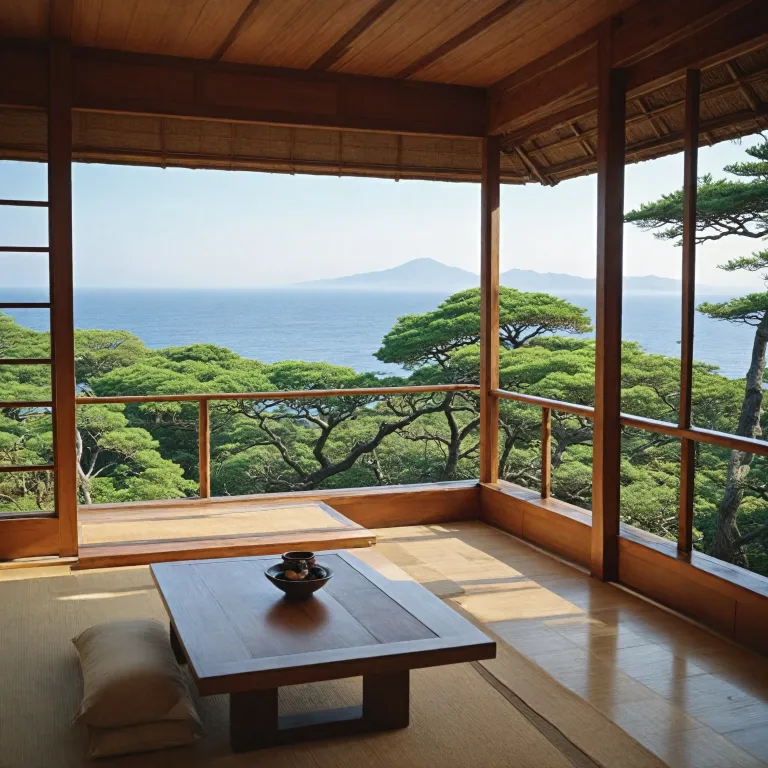
Kamakura ryokan stays for refined coastal journeys
Choosing a kamakura ryokan is about more than a bed for the night; it is a decision to immerse yourself in a coastal town where temples, sea air, and refined hospitality meet. In this historic part of Japan, a ryokan offers rooms that frame the rhythm of waves and the quiet of shrines, creating an experience that feels both intimate and expansive. For people planning premium travel, the question is how to select the best property, guest rooms, and onsen facilities in an area with such a long standing culture of hospitality.
In Kamakura, each ryokan building expresses a different facet of traditional Japanese aesthetics, from tatami floors and shoji screens to carefully tended gardens and semi natural baths. Kakiya Ryokan, for example, is known for just eight guest rooms and cuisine centered on fresh fish and young sardines, which turns every stay into a culinary experience rooted in the local fishing culture. When you book here, you are not only reserving a hotel style stay in Kamakura but entering a ryokan traditional world where meals, baths, and service follow rhythms shaped over generations.
Modern travelers often seek a balance between privacy and authenticity, and Kamakura responds with ryokan options that offer private baths, ocean view rooms, and attentive yet discreet staff. Kishi ke presents itself as a modern ryokan kamakura retreat, with a focus on private stays, tea ceremony, and Zen meditation that appeal to guests who value quiet reflection as much as coastal walks. Across the area, these ryokan in Japan show how traditional Japanese hospitality can adapt to contemporary expectations while preserving the essence of onsen ryokan culture.
Signature kamakura ryokan: Kakiya, Kishi-ke, and AKAMA
Among kamakura ryokan options, three names stand out for luxury and premium travel planning ; Kakiya Ryokan, Kishi ke, and AKAMA Kamakura. Each ryokan offers a distinct experience, yet all share a commitment to traditional Japanese hospitality, refined rooms, and attentive service that respects privacy. For people comparing hotel style comforts with ryokan traditional stays, these properties illustrate how the best of both worlds can coexist in one coastal area.
Kakiya Ryokan sits close to the Enoden line and Koshigoe Station, with eight guest rooms that emphasize intimacy, fresh seafood cuisine, and semi natural baths. This ryokan kamakura choice suits travelers who want to enjoy a long standing inn where the building, meals, and baths reflect decades of local culture and fishing heritage. Here, the experience centers on traditional Japanese dining, relaxed onsen style bathing, and a calm atmosphere that feels far removed from urban hotel environments in Japan.
Kishi ke, by contrast, is a modern ryokan that treats each stay as a private retreat, with ocean view spaces, tea ceremony, and meditation woven into the guest journey. Its rooms are designed for people who value minimalism, quiet, and curated cultural experiences rather than a large club like environment. AKAMA Kamakura completes this trio with guest rooms near Yuigahama and Zaimokuza beaches, private gardens, and wellness services, making it ideal for travelers seeking unique luxury hotels in Japan that blend art, tradition, and modern elegance while still feeling like a ryokan traditional stay.
Rooms, baths, and onsen expectations in Kamakura
When evaluating a kamakura ryokan, understanding the layout of rooms, private spaces, and baths is essential for a satisfying stay. A ryokan traditional property typically offers tatami floored guest rooms with futon bedding, sliding doors, and low furniture that create a calm, uncluttered atmosphere. For people used to Western hotel layouts, this Japanese style can feel both refreshing and unfamiliar, so it helps to know what to expect before you book.
Many ryokan in Kamakura feature communal baths inspired by onsen culture, even when the water is semi natural rather than geothermally sourced. These baths are designed for quiet reflection, with a focus on the view, the sound of water, and the ritual of washing before soaking. Some guest rooms at properties such as AKAMA Kamakura and Kishi ke add private baths or open air tubs, giving couples and families more flexibility while preserving the essence of onsen ryokan relaxation.
Travelers who prioritize privacy should confirm whether their chosen ryokan offers en suite bathrooms, private open air baths, or only shared facilities in the main building. In Kamakura, premium ryokan often balance traditional Japanese design with modern comforts such as underfloor heating, high quality mattresses, and discreet technology. For those planning a wider journey through Japan, it can be helpful to compare these offerings with other luxury hotels with onsen, ensuring that each stop on your travel route maintains a consistent level of comfort and cultural depth.
Culinary culture and personalized experiences at kamakura ryokan
Food is central to any kamakura ryokan stay, especially in a coastal area renowned for seafood and seasonal produce. At Kakiya Ryokan, the focus on fresh fish and young sardine dishes turns dinner into a narrative of the local sea, served in guest rooms or intimate dining spaces. This approach reflects a long standing ryokan traditional philosophy, where cuisine, baths, and rooms are all part of one seamless experience.
Many ryokan in Japan offer meal plans that include breakfast and dinner, and the expert guidance is clear ; "Many ryokan offer meal plans that include traditional Japanese breakfast and dinner, but it's advisable to confirm with the specific establishment." In Kamakura, this often means kaiseki style courses that highlight regional ingredients, presented with meticulous attention to color, texture, and seasonality. People who enjoy culinary travel will find that these meals rival those of high end hotel restaurants, yet feel more personal because they are served in a smaller building with fewer guest rooms.
Beyond dining, properties such as Kishi ke emphasize cultural programs that deepen the sense of place, from tea ceremony to Zen meditation and mindful walks along the shore. These experiences allow guests to enjoy Japanese culture in a structured yet gentle way, without the formality of a private club or large resort. For travelers planning a broader itinerary that includes Tokyo or Kyoto, pairing a kamakura ryokan stay with a refined urban property such as those highlighted in this guide to refined stays in the heart of Tokyo and beyond can create a balanced journey between city energy and coastal calm.
How to book a kamakura ryokan with confidence
Securing the right kamakura ryokan requires more than simply choosing the first appealing photo or lowest rate. Because many ryokan have a limited number of guest rooms, especially long standing properties like Kakiya Ryokan, it is wise to book well in advance for weekends and holidays. People who value specific features such as private baths, ocean view rooms, or proximity to a particular temple should contact the property directly to confirm details before finalizing their travel plans.
When comparing options in Kamakura and across Japan, consider how each ryokan balances traditional Japanese elements with modern comforts that matter to you. Some travelers prioritize tatami rooms, onsen style baths, and multi course dinners, while others prefer hotel like amenities such as Western beds, flexible meal times, or a club lounge atmosphere. Clarifying these preferences helps you identify the best match among ryokan kamakura choices, whether you lean toward the intimate building of Kakiya, the private retreat of Kishi ke, or the beachside calm of AKAMA Kamakura.
It is also important to understand house etiquette, including check in times, bathing rules, and expectations around noise in shared areas. The expert advice remains relevant here ; "Some ryokan rooms come with private bathrooms, while others may have shared facilities. It's best to check the amenities of each ryokan before booking." By approaching the process with clear questions and respect for local culture, you can enjoy a smooth reservation experience that sets the tone for a memorable stay in this historic area.
Integrating kamakura ryokan into a wider Japan itinerary
For many travelers, a kamakura ryokan stay is one chapter in a longer journey through Japan rather than a standalone escape. Kamakura’s location in Kanagawa Prefecture, with easy rail access from Tokyo, makes it an ideal first or final stop on a coastal themed itinerary. People can enjoy temples, beaches, and ryokan traditional hospitality here before continuing to other regions known for onsen ryokan, mountain scenery, or urban luxury hotel experiences.
When planning, think about how the rhythm of a ryokan stay contrasts with city based travel, where club lounges, high rise views, and busy lobbies dominate. In Kamakura, the building scale is smaller, guest rooms are fewer, and the emphasis rests on quiet, meals, and baths rather than nightlife or shopping. This shift allows you to enjoy traditional Japanese culture in a slower, more reflective way, which can be especially valuable after several days in larger cities.
Combining Kamakura with destinations such as Hakone, Kyoto, or Kanazawa lets you compare different expressions of ryokan culture, from seaside properties to mountain onsen retreats. Along the way, you will encounter both long standing inns and newer designs that reinterpret ryokan kamakura aesthetics for contemporary travelers. By intentionally weaving these stays into your travel route, you create a narrative where each area, each ryokan, and each set of guest rooms contributes to a deeper understanding of Japanese hospitality and the enduring appeal of the ryokan traditional experience.
Key statistics for kamakura ryokan stays
- Kakiya Ryokan offers 8 guest rooms, emphasizing intimacy and personalized service for each stay.
- Kakiya Ryokan is located approximately 0.25 kilometres from Koshigoe Station, allowing convenient access by train.
- Kishi ke began welcoming guests in the last decade, reflecting the growing interest in modern ryokan design.
- AKAMA Kamakura has received 25 verified reviews on a specialized ryokan travel platform, indicating rising awareness among international visitors.
Essential questions about kamakura ryokan
What is a ryokan?
A ryokan is a traditional Japanese inn that typically features tatami matted rooms, communal baths, and local cuisine. In Kamakura, many ryokan combine these elements with coastal views and access to temples, creating a stay that feels both cultural and restorative. Choosing a kamakura ryokan means prioritizing atmosphere, hospitality, and a slower pace over the standardized layout of a conventional hotel.
Are meals included in ryokan stays?
Many ryokan offer meal plans that include traditional Japanese breakfast and dinner, but it's advisable to confirm with the specific establishment. In Kamakura, this often translates into seasonal seafood menus, kaiseki style dinners, and carefully prepared breakfasts that highlight regional ingredients. When you book, check whether meals are served in guest rooms, private dining spaces, or a shared hall, as this can significantly shape the overall experience.
Do ryokan have private bathrooms?
Some ryokan rooms come with private bathrooms, while others may have shared facilities. It's best to check the amenities of each ryokan before booking. In the Kamakura area, premium properties increasingly offer a mix of private baths, en suite facilities, and communal onsen style spaces, allowing guests to choose the level of privacy and tradition that suits their travel style.