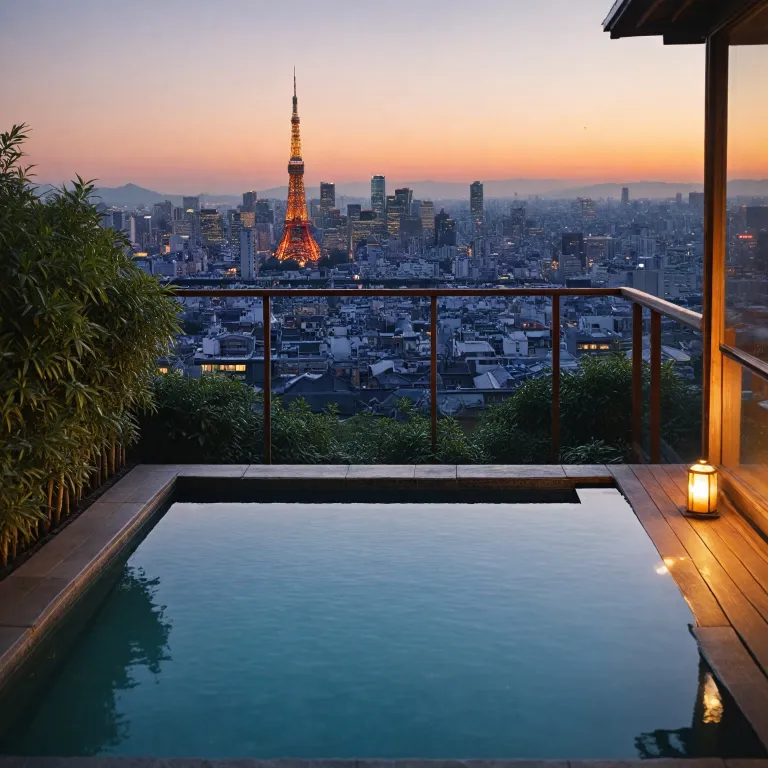
Choosing tokyo hotels with private onsen for an elevated stay
Travelers seeking tokyo hotels with private onsen often want calm, privacy, and refined service. In a dense city like Tokyo, a hotel with a private hot spring style bath becomes a sanctuary where the air feels softer and the pace slows immediately. Selecting the right hotel or ryokan with private facilities requires attention to location, room layout, and how authentically Japanese the experience feels.
Among the most notable options, FUFU Tokyo Ginza stands out as a luxury onsen hotel where every onsen room includes its own private onsen bath. Guests enjoy rooms with a soothing natural hot aesthetic, while the design frames the city view without losing the intimate atmosphere of a traditional hot spring retreat. These hotels in central tokyo allow you to enjoy a hot bath at any time of night, without sharing facilities or worrying about other guest schedules.
Prostyle Ryokan Tokyo Asakusa offers a more traditional ryokan ambience, with tatami rooms with private onsen that echo classic Japanese hospitality. This ryokan in tokyo is ideal for travelers who want an onsen room combined with easy access to temples, street food, and cultural attractions. Many guests leave good reviews that highlight the balance between modern comfort, hot springs style bathing, and the calm of a smaller property.
Hoshinoya Tokyo, by contrast, blends a tower hotel format with ryokan inspired service and communal hot spring baths rather than fully private onsen in every room. It is still a strong option for travelers who value refined rituals, structured breakfast dinner courses, and a deeply Japanese sense of space. When comparing these hotels, read detailed reviews and check which rooms with soaking tubs are true hot spring fed baths and which are deep soaking air bath designs.
How to evaluate rooms with private onsen and urban hot springs
When comparing tokyo hotels with private onsen, start by clarifying whether you want a fully private onsen bath or are comfortable combining a private onsen room with shared hot springs. Some hotels describe deep soaking tubs as onsen style, while only certain ryokan properties offer genuine natural hot spring water in every onsen room. Look for clear descriptions such as onsen hotel, hot spring fed, or natural hot to understand exactly what is included.
Room configuration matters as much as the presence of a private onsen, especially for longer stays. Many travelers prefer rooms with open air bath terraces, where sliding doors connect the sleeping area with a semi outdoor space and fresh air. These with open layouts create a stronger connection to the city view, whether you are in shinjuku, Ginza, or Asakusa, and they often receive particularly good reviews from international guest segments.
Check whether the property offers breakfast dinner packages, which are common in ryokan but less so in a standard hotel. A ryokan in tokyo that serves kaiseki style breakfast and dinner alongside a private onsen can feel like a full retreat, even if you are only staying one night. For travelers used to Western hotels, this structure may feel unusual, but it often represents excellent value when you factor in the quality of Japanese cuisine.
Booking platforms and specialist agencies can help you secure rooms with private onsen during peak seasons. For example, guides on how to book a premium ryokan in Kyoto for an authentic Japanese experience, such as premium ryokan booking strategies, often apply equally well to tokyo onsen stays. Always verify cancellation policies, check recent good reviews, and confirm whether the air bath or hot spring facilities are suitable for any mobility or privacy needs you may have.
Signature properties: from yuen shinjuku to dormy inn and beyond
Several brands have become reference points for tokyo hotels with private onsen or strong hot spring facilities. Yuen Shinjuku, for instance, is known as an onsen hotel that brings a calm, ryokan inspired mood into the heart of shinjuku, with open air baths that frame the skyline. While not every room is an onsen room, the property’s focus on hot springs and Japanese design makes it a compelling option for guests who value atmosphere.
Another well regarded chain is Dormy Inn, which operates multiple hotels in tokyo with communal hot springs and, in some locations, rooms with private onsen style baths. Dormy Inn properties often receive good reviews for value, late night complimentary noodles, and practical extras that make a short stay more comfortable. For travelers who want an onsen hotel experience without the higher rates of a luxury ryokan, these hotels offer flexible options.
Yuen Shinjuku and similar hotels in shinjuku appeal to guests who want easy access to nightlife while still enjoying a hot bath under the open air. Their design language leans into Japanese minimalism, with natural hot tones, wood, and stone that echo traditional ryokan aesthetics. When comparing these hotels, pay attention to whether they list rooms with private onsen or primarily shared facilities, as this affects both privacy and price.
For travelers planning a broader itinerary, it can be helpful to read about luxury ryokan experiences in Japan that combine tradition, comfort, and onsen elegance, such as those described in in depth ryokan experience guides. These resources explain how ryokan in tokyo compare with countryside hot springs, and how an onsen hotel in the city can complement stays near natural hot springs. By understanding the spectrum from Dormy Inn to high end ryokan, you can match each night of your trip to your budget and expectations.
Urban retreats: manyo club, toyosu manyo, and onsen tokyo options
Beyond traditional hotels, urban hot spring complexes such as Manyo Club and Toyosu Manyo expand the range of tokyo onsen options. These facilities combine large scale hot springs, relaxation lounges, and sometimes simple hotel style rooms with private or semi private baths. They are particularly appealing for travelers who want a full day of hot spring bathing without leaving tokyo, followed by a quiet night on site.
Toyosu Manyo, located near the waterfront, offers open air baths with a city view that feels surprisingly tranquil. While not every stay includes a fully private onsen, some rooms with private bathing areas allow guests to alternate between shared hot springs and personal relaxation. This mix of with open communal spaces and more secluded corners suits couples, solo travelers, and families who have different comfort levels around public bathing.
Manyo Club properties often emphasize natural hot spring water, transported from outside the city to create an authentic onsen hotel atmosphere. Guests can move between indoor hot baths, outdoor air bath terraces, and rest areas where the air is scented with Japanese cypress. Reviews frequently mention that a single night here can feel as restorative as several nights in a standard hotel without hot springs.
For travelers connecting through Haneda Airport, some Manyo Club style facilities and nearby hotels offer convenient access combined with hot spring amenities. Staying near haneda airport with an onsen room or easy shuttle access can turn a layover night into a memorable part of your itinerary. When planning, compare these urban hot springs with more traditional ryokan stays in places like Miyajima, using resources such as this guide to authentic island ryokan with onsen and cuisine.
Design, service, and the essence of japanese onsen hospitality
The most memorable tokyo hotels with private onsen share a commitment to Japanese design principles and attentive service. Whether you choose a high end hotel in Ginza, a ryokan in Asakusa, or an onsen hotel in shinjuku, the goal is to create a calm transition from the city’s energy to the quiet of your room. Elements such as tatami flooring, shoji screens, and carefully framed open air views help achieve this shift.
Service style also defines the difference between a standard hotel and a ryokan or onsen hotel. In many ryokan, staff guide you through bathing etiquette, explain how to use the private onsen or hot springs, and coordinate breakfast dinner timings in your room or a dedicated dining space. This level of attention reassures first time guests who may be unfamiliar with Japanese bathing culture, especially when using shared hot spring facilities alongside their private onsen room.
Water quality and temperature are central to the experience, whether the property uses natural hot spring sources or carefully heated city water. Some hotels highlight natural hot springs piped from outside tokyo, while others focus on deep soaking air bath tubs that mimic the sensation of a hot spring. In both cases, the combination of hot water, fresh air, and a quiet view can ease jet lag after a long flight into Haneda Airport or Narita.
As demand grows, more hotels and ryokan in tokyo are adding rooms with private onsen or upgrading existing baths to semi open air designs. Travelers increasingly seek good reviews that mention privacy, water quality, and the overall mood of the onsen room rather than just square metres. By prioritizing properties that align with these values, you support an industry trend that respects both Japanese tradition and modern guest expectations.
Practical booking strategies for tokyo onsen stays
Securing the best tokyo hotels with private onsen requires early planning and a clear sense of priorities. Rooms with private onsen, especially those with open air terraces and a strong city view, are limited in number and sell out quickly. Aim to book each hotel or ryokan at least several months in advance, particularly for weekends and national holidays when domestic demand for hot springs is high.
When comparing options, filter for terms such as onsen room, private onsen, and open air bath, then read reviews carefully to confirm details. Some hotels list rooms with large soaking tubs but do not specify whether they are fed by natural hot springs or standard heated water. Look for guest comments that mention natural hot, hot spring minerals, or the feeling of a true onsen hotel rather than just a deep bathtub.
Price ranges for hotels with private onsen in tokyo typically start around the mid luxury level and rise for premium locations or larger rooms. Packages that include breakfast dinner can offer better value, especially at ryokan where the cuisine is a highlight of the stay. Always check whether the rate is per person or per room per night, as Japanese properties sometimes use different pricing structures than Western hotels.
Finally, consider logistics such as access from Haneda Airport, proximity to shinjuku or other transport hubs, and whether you prefer a quiet neighbourhood or a lively district. A hotel with easy rail links can make it simpler to enjoy both your private onsen and day trips across the city. By combining careful research, attention to reviews, and an understanding of Japanese hospitality norms, you can curate a sequence of stays that turns each night in tokyo into a refined hot spring retreat.
Key statistics about tokyo hotels with private onsen
- FUFU Tokyo Ginza offers 34 rooms, each designed as an intimate retreat with a private onsen style bath.
- Hoshinoya Tokyo features 84 rooms arranged in a tower format that blends ryokan inspired service with modern urban design.
- Prices for hotels with private onsen in tokyo generally range from approximately 400 to 600 USD per night, depending on room type and inclusions.
Essential questions about tokyo hotels with private onsen
Are there hotels in Tokyo with private onsen?
Yes, several hotels in Tokyo offer private onsen facilities, including FUFU Tokyo Ginza and Prostyle Ryokan Tokyo Asakusa.
What is the price range for hotels with private onsen in Tokyo?
Prices vary depending on the hotel and room type, ranging from approximately $400 to $600 USD per night.
Do these hotels offer traditional Japanese experiences?
Yes, many of these hotels blend traditional Japanese aesthetics and hospitality with modern amenities.