Compare where to stay in southern Hokkaidō – Hakodate, Onuma, or Okushiri Island – with practical tips on hotels, access, onsen resorts, and how to split nights between city, lake, and sea views.
Hakodate, Onuma, Okushiri: how to choose your base
Snow-dusted tram lines on Matsukaze-dōri, ferries sliding out of Hakodate Port, a quiet shoreline on Okushiri Island – the trio of Hakodate, Onuma, and Okushiri offers very different nights. Your choice of hotel shapes the entire trip. City lights, lakeside forest, or remote sea cliffs; you cannot have all three in one stay, so it helps to match each area to your travel style.
Hakodate suits travelers who want a proper city center with a station hotel a short walk from platforms and easy access to Mount Hakodate, the morning market, and the historic Motomachi district. Onuma works better if you imagine waking up to a lake view and open air hot springs after a day of walking forest trails. Okushiri is for those willing to trade convenience for solitude, where the nearest station is a ferry terminal and the sea is your constant backdrop.
Think in terms of travel rhythm. One or two nights in a hotel located near Hakodate Station for urban exploring and smooth access from the airport, then a slower stay in Onuma or on Okushiri. This combination lets you compare very different places to stay without wasting time on transfers, and it keeps most journeys under about 90 minutes door to door.
Staying in Hakodate: city hotels and station convenience
Neon reflections on the wet pavement outside JR Hakodate Station tell you exactly why many guests start here. Rolling your suitcase straight into a station hotel after a long train ride is a small but real luxury. You gain immediate access to trams, local buses, and the airport shuttle that links the terminal to the city in roughly 20 minutes, with typical fares around ¥300–¥400 (Hakodate Bus timetable, accessed 2024).
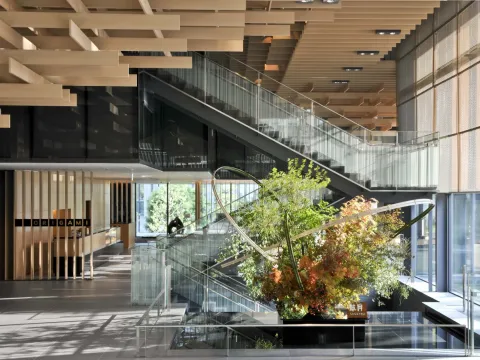
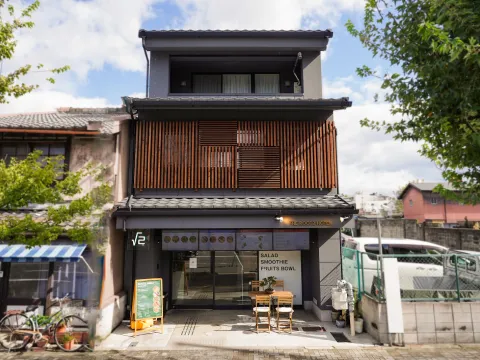
Most higher-end properties cluster between the station and the bay area, within a compact district that is easy to walk. For example, La Vista Hakodate Bay and Hakodate Kokusai Hotel sit about 10–15 minutes on foot from JR Hakodate Station, while JR Inn Hakodate and Hotel WBF Hakodate Watatsumi are directly connected to or opposite the station building. From a well-positioned hotel Hakodate stay, you can reach the Kanemori Red Brick Warehouses in about 10 minutes on foot, then ride the ropeway up Mount Hakodate for the famous night view. Rooms in this part of the city tend to prioritize practicality – good soundproofing, efficient layouts, reliable service – over dramatic scenery, though upper floors may still offer glimpses of the harbor or the mountain.
If you value quick access Hakodate style – trains, trams, and buses at your doorstep – choose a property within a few hundred metres of the station. It is the best option for short stays, late arrivals from the airport, or travelers planning early departures on the Hokkaidō Shinkansen from Shin-Hakodate-Hokuto, which is easily reached by local train or shuttle bus in about 20 minutes. When comparing hotels, check whether your chosen room type includes breakfast, look at recent guest reviews for noise levels, and confirm the last airport bus departure that stops near your hotel.
Onuma: lakeside retreats and open-air hot springs
Mist rising from Onuma Quasi-National Park at dawn, the silhouettes of Komagatake volcano and tiny islets – this is where you come for space and silence. Hotels here lean into nature: large windows, forest paths, and open air baths that frame the lake or the woods. The atmosphere is slower, the night sky darker, the air cooler than in the city, and the focus shifts from sightseeing to relaxation.
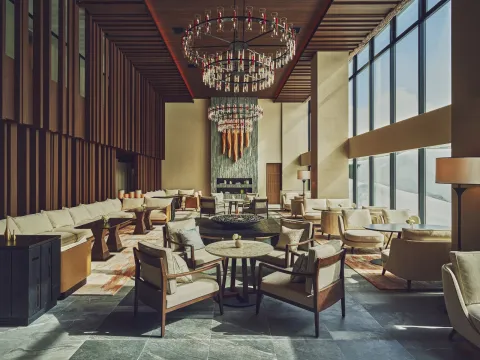
One of the main resort complexes in the area, Hakodate Onuma Prince Hotel, offers around 290 guest rooms (Prince Hotels official data, accessed 2024), spread across low-rise buildings that sit discreetly among the trees. Many rooms are designed so that guests can wake to a soft lake view or to snow-covered pines in winter, with Western-style twins, Japanese-style tatami rooms, and mixed Japanese-Western layouts. The hotel offer typically includes several restaurants and natural hot spring baths, which become the centre of the stay; you move between room, dining, and onsen rather than out into nightlife, and a “lake view” or “forest view” room category usually guarantees the scenery you are paying for.
Access is easier than the remote feel suggests. Onuma-Kōen Station on the Hakodate Main Line sits roughly 20 to 30 minutes by train from Hakodate, with local fares generally under ¥600 one way (JR Hokkaido route search, accessed 2024). Some properties operate a shuttle bus from the station or directly from Hakodate Airport, about 27 km away, often timed to afternoon check-in and morning check-out slots. When you book a room, always check time schedules for any shuttle service, confirm whether advance reservations are required, and verify if there is free parking if you are driving, as winter conditions can make last-minute changes inconvenient.
Who should choose Okushiri Island
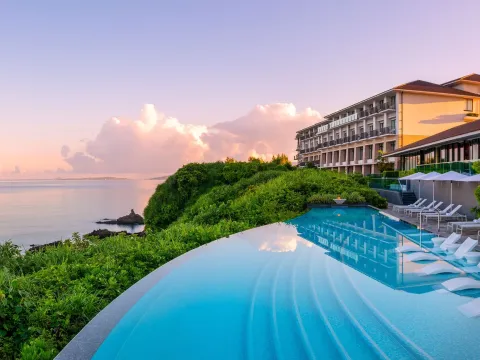
Wind-sculpted cliffs, a ring road hugging the coast, and a sky that feels much larger than on the mainland – Okushiri is a different proposition. Hotels here are fewer, more modest in scale, and often closer in spirit to a traditional inn than to a polished star hotel in the city. You come for the sea, not for a long list of facilities, and you accept that restaurant choice and shopping will be limited.
Stays on Okushiri tend to revolve around simple rooms, local seafood dinners, and the rhythm of the ferry or small airport. The nearest station in the rail sense does not exist; instead, your key transport hubs are Okushiri Port and Okushiri Airport, with local bus routes or hotel-operated transfers covering the last stretch. This is where you accept that service may be more personal than polished, but the sense of place is strong, especially at small minshuku-style lodgings where owners often cook seasonal fish caught nearby.
Choose Okushiri if you prefer quiet walks along the shore to shopping streets, and if you are comfortable planning around limited transport. It works best as a two-night stay folded into a longer Hokkaidō itinerary, after you have enjoyed the easier access and broader hotel choice in Hakodate or around Onuma. When reserving, look for room descriptions that mention “ocean view” or “sea side” and ask whether the property can arrange pick-up from the port or airport, as taxis may be scarce at off-peak times.
Rooms, views, and services: what to expect
Room expectations should shift as you move from city to lake to island. In Hakodate, rooms near the station or in the central district are often compact but efficient, with a focus on a comfortable bed, good water pressure, and straightforward business-style amenities. Views here are more about city lights, tram lines, or the port than about untouched nature, and “standard twin” or “double” categories rarely guarantee a specific outlook.
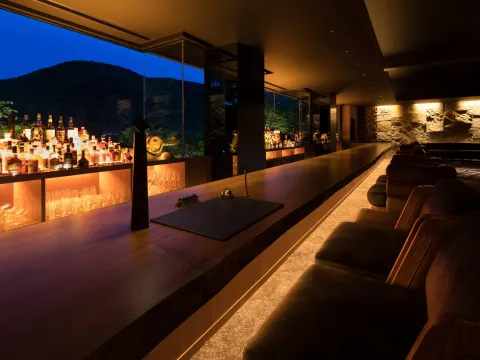
Around Onuma, rooms become larger and more view-driven. Many are oriented toward the lake or forest, and some integrate Japanese-style elements such as tatami areas or low seating by the window. The highlight is often the onsen area rather than the room itself; open air baths, indoor pools with large picture windows, and relaxation lounges where guests can cool down between soaks. When comparing places to stay, look carefully at whether your room category guarantees a lake view or only offers it as a possibility, and whether access to large communal baths is included or charged as an extra.
On Okushiri, expect simpler interiors but a stronger connection to the sea. Rooms may not match the finish of a major prince hotel in Onuma, yet the sound of waves at night and the absence of city noise are luxuries of a different kind. Across all three areas, check whether your chosen hotel is located near a bus stop or offers any kind of shuttle bus or airport shuttle, especially if you prefer not to rent a car. A practical booking tip is to read recent guest reviews for comments on shuttle punctuality, seasonal price ranges, and winter road conditions, as these details rarely appear in glossy descriptions.
Access, transfers, and practical planning
Distances in southern Hokkaidō look small on a map, but transfers can eat into your day if you do not plan them. Hakodate Airport sits roughly 20 minutes by road from the main station area, with regular buses linking terminal and city at intervals of about 15–30 minutes during the day (Hakodate Bus timetable, accessed 2024). For many travelers, a first night in a hotel located near the station is the most practical way to recover from the journey and organize onward travel.
From Hakodate to Onuma, local trains on the Hakodate Main Line are the backbone of access. The ride to Onuma-Kōen Station is short, and some resorts arrange pick-up services from there or from central Hakodate at fixed check time slots, typically around mid-afternoon and mid-morning. If you are driving, free parking is common in the Onuma area, but it is still worth confirming in advance, especially in winter when snow management can affect capacity and when rental cars may require studless tires.
Reaching Okushiri requires either a domestic flight or a ferry, followed by local transport or a pre-arranged bus or car. The Hakodate–Okushiri ferry, for example, usually takes about 3 hours and 40 minutes one way, while flights from Hakodate Airport to Okushiri Airport are around 35 minutes in the air (operator timetables, accessed 2024). This extra step is precisely why the island feels so removed. When you book room options across these three destinations, think about your sequence of nights and how many transfers you are willing to manage; a smooth itinerary often pairs Hakodate and Onuma, with Okushiri as a deliberate, slower finale.
How to choose the right place for your trip
Start with your priorities, not with a map. If you want restaurants, evening walks through a lit-up city, and easy access to multiple sights, focus on Hakodate and stay within walking distance of the station or the bay area. This gives you quick tram connections, straightforward airport access, and a wide range of hotel styles to compare, from simple business hotels to full-service properties with large communal baths.
If your idea of a good night is a long soak in an open air bath followed by a quiet drink while looking at the lake, Onuma is the better match. Here, the hotel itself becomes the destination; you spend more time on property, using its hot springs, restaurants, and forest paths. Look for properties that explicitly highlight natural hot springs and lake-facing rooms rather than just generic facilities, and consider booking “lake view onsen” room types early in peak foliage or snow seasons.
Travelers who value remoteness and sea landscapes above all else will gravitate toward Okushiri. It is not the place for those who need a long list of services or constant entertainment, but it rewards patience with a strong sense of escape. In practice, many discerning guests split their stay: a city hotel Hakodate stop for access and variety, a lakeside resort in Onuma for nature and onsen, and, for those with time, a final stretch on Okushiri to end the journey in near-silence. A simple sample itinerary could be: Day 1–2 Hakodate (arrival, city sights), Day 3–4 Onuma (lake view onsen stay, hiking), Day 5–6 Okushiri (coastal drives, quiet walks), with each transfer kept to half a day or less.
What makes Hakodate a good base for a hotel stay?
Hakodate works well as a base because it combines a compact city center, a main station with strong rail and bus connections, and straightforward access from the airport. You can walk from many hotels to the morning market, Motomachi’s sloping streets, and the bay area, then use trams or buses for Mount Hakodate and other sights. This mix of convenience and character makes it an efficient starting or ending point for trips that also include Onuma or Okushiri, especially if you are catching the Hokkaidō Shinkansen at Shin-Hakodate-Hokuto.
Why stay in the Onuma area instead of central Hakodate?
Onuma is the better choice if you want nature, quiet, and hot springs to define your stay. Hotels around the lake offer larger grounds, open air baths, and rooms oriented toward forest or water views, which you will not find in the same way in the city. You sacrifice some restaurant and shopping variety, but you gain a resort-like atmosphere where the property itself becomes your main destination, and where a lake view onsen hotel can turn a simple overnight into a highlight of your Hokkaidō itinerary.
Is Okushiri Island suitable for a short trip?
Okushiri can work for a short trip, but only if you accept the extra travel time by ferry or plane and the limited transport once on the island. It suits travelers who value remote sea scenery and quiet walks more than a packed sightseeing schedule. For most visitors, two nights are enough to feel the island’s atmosphere without compressing the rest of a Hokkaidō itinerary, especially if you schedule your ferry or flight to avoid very early or very late transfers.
How easy is it to move between Hakodate and Onuma?
Travel between Hakodate and Onuma is relatively easy thanks to the Hakodate Main Line, with trains running in around 20 to 30 minutes between the city and Onuma-Kōen Station. Some hotels in the Onuma area arrange shuttle buses from the station or from central Hakodate at set times, which simplifies transfers if you are carrying luggage. Drivers will find the route straightforward, and many properties near the lake provide free parking, making it simple to combine a Hakodate city hotel with a lakeside resort stay.
How many nights should I plan in each area?
A balanced itinerary often includes one or two nights in Hakodate for city sights and smooth access, two nights in Onuma to fully enjoy the lake and hot springs, and, for those adding Okushiri, another two nights on the island. This structure limits the number of transfers while giving each place enough time to reveal its character. Shorter trips can simply pair Hakodate and Onuma without feeling rushed, while longer journeys can add extra nights in Onuma for hiking or in Hakodate for day trips along the coast.