Discover the best hotels in Nara Japan, from luxury stays near Nara Park and Tōdaiji Temple to convenient modern hotels by JR Nara Station, plus tips on room types, locations, and how long to stay.
Why Nara works so well for a refined stay
Deer grazing under lanterns in Nara Park are not a postcard fantasy; they are your neighbours for the night if you choose the right hotel. For travellers used to Tokyo’s vertical energy or Kyoto’s polished choreography, Nara Japan offers something quieter, more spacious, and often more personal. You come here for a stay where heritage sites, traditional streets, and carefully designed guest rooms sit within easy walking distance of one another.
The core decision is simple. Do you want to wake up a few minutes’ walk from Tōdaiji Temple and Kasuga Taisha, or are you happier in a more residential area with larger rooms and a calmer, international-style hotel atmosphere? Around Nara Park, many Nara hotels lean into Japanese aesthetics, with tatami, shoji, and ryokan-inspired layouts, while properties slightly away from the park tend to offer Western beds, larger bathrooms, and full-service dining rooms. Both approaches work; the choice depends on how you like to move through a city.
For a first trip, staying near the park is usually the most rewarding. You can walk to the main heritage site cluster in under 15 minutes, enjoy early-morning visits before the day-trippers arrive, and slip back to your room for a rest between temple visits. Repeat visitors, or those on longer trips through Kansai, often prefer quieter neighbourhoods near Nara Station or along Sanjō-dōri, where local restaurants, cafés, and small bars give a more everyday rhythm to the evening.
Understanding Nara’s luxury and premium hotel landscape
Five-star stays in Nara are fewer than in Kyoto or Osaka, but that scarcity works in your favour. The best hotels in Nara focus on atmosphere, proximity to culture, and a thoughtful blend of Japanese and international comforts rather than sheer scale. You will find a compact set of high-end hotels, a handful of refined ryokan-style properties, and several premium modern hotels that sit just below the top tier yet deliver a very comfortable stay.
Near Nara Park, many properties echo the city’s Meiji and Taishō-era architecture or reinterpret it with clean, contemporary lines. Expect guest rooms that frame garden views, low lighting, and a deliberate quietness that suits the temple setting. Some hotels in this area reference the classic Nara Hotel aesthetic – wood panelling, deep carpets, and a sense of old-world Japan – without feeling like museums. Others lean into a more minimal, almost gallery-like approach, closer to what you might associate with an Ando-style hotel, even if the building itself is not by that architect.
Further west, closer to JR Nara Station, the mood shifts. Here, larger Nara hotels tend to offer more room categories, from compact doubles to generous corner rooms suitable for families, and layouts that feel familiar if you have stayed in international chains elsewhere in Japan. These properties are practical for travellers arriving late by train, for those planning day trips to Osaka or Kyoto, or for visitors who prefer a clear separation between sightseeing zones and their hotel base.
Ryokan-style stays versus modern hotels
Sliding open a shoji screen to a tatami room in Nara feels different from doing so in Kyoto. Outside your window, you are more likely to see the soft outline of Mount Wakakusa or the treetops of Nara Park than a dense urban grid. Choosing between a ryokan and a modern hotel here is less about comfort and more about how you want to experience time. A ryokan stay slows you down; a contemporary hotel keeps your trip flexible and modular.
In ryokan-style properties, rooms often combine a tatami living area with futons laid out in the evening, sometimes with a separate Western-style bedroom. The best of these offer private open-air baths, views onto inner gardens, and kaiseki dinners that highlight Nara traditional flavours – mountain vegetables, local sake, and carefully prepared Japanese cuisine served course by course in your room or in an intimate dining room. You do not just sleep there; you inhabit a curated version of Japanese domestic space for a night or two.
Modern hotels, by contrast, prioritise familiar comforts. Think high-quality mattresses, spacious bathrooms with separate showers and tubs, and clear zoning between sleeping, working, and lounging areas. On-site restaurants usually offer a mix of Japanese and Western dining, with breakfast buffets that move from grilled fish and rice to pastries and eggs in a few steps. If you are on a longer trip through Japan and want a break from the full ryokan ritual, these hotels provide exactly that balance.
Where to stay around Nara Park and the heritage core
Streets like Noborioji-chō and the lanes running parallel to the eastern edge of Nara Park form the most coveted hotel zone. From here, you can reach Tōdaiji Temple in around 10 minutes on foot, Kasuga Taisha in about 20, and the main park lawns in even less. This is where a stay becomes almost monastic in rhythm: early walks among stone lanterns, quiet afternoons in Yoshikien or Isuien Garden, and evenings listening to the city fall silent.
Hotels in this pocket tend to be smaller, with fewer guest rooms and a stronger sense of place. Availability can be tight in spring and autumn, when the park’s cherry blossoms and foliage draw visitors from across Japan, so planning ahead matters. The trade-off for booking early is clear: you step out of the lobby and you are already in the landscape you came to see, without needing buses or long walks from the station.
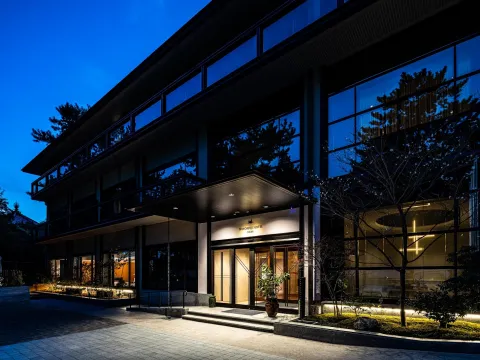
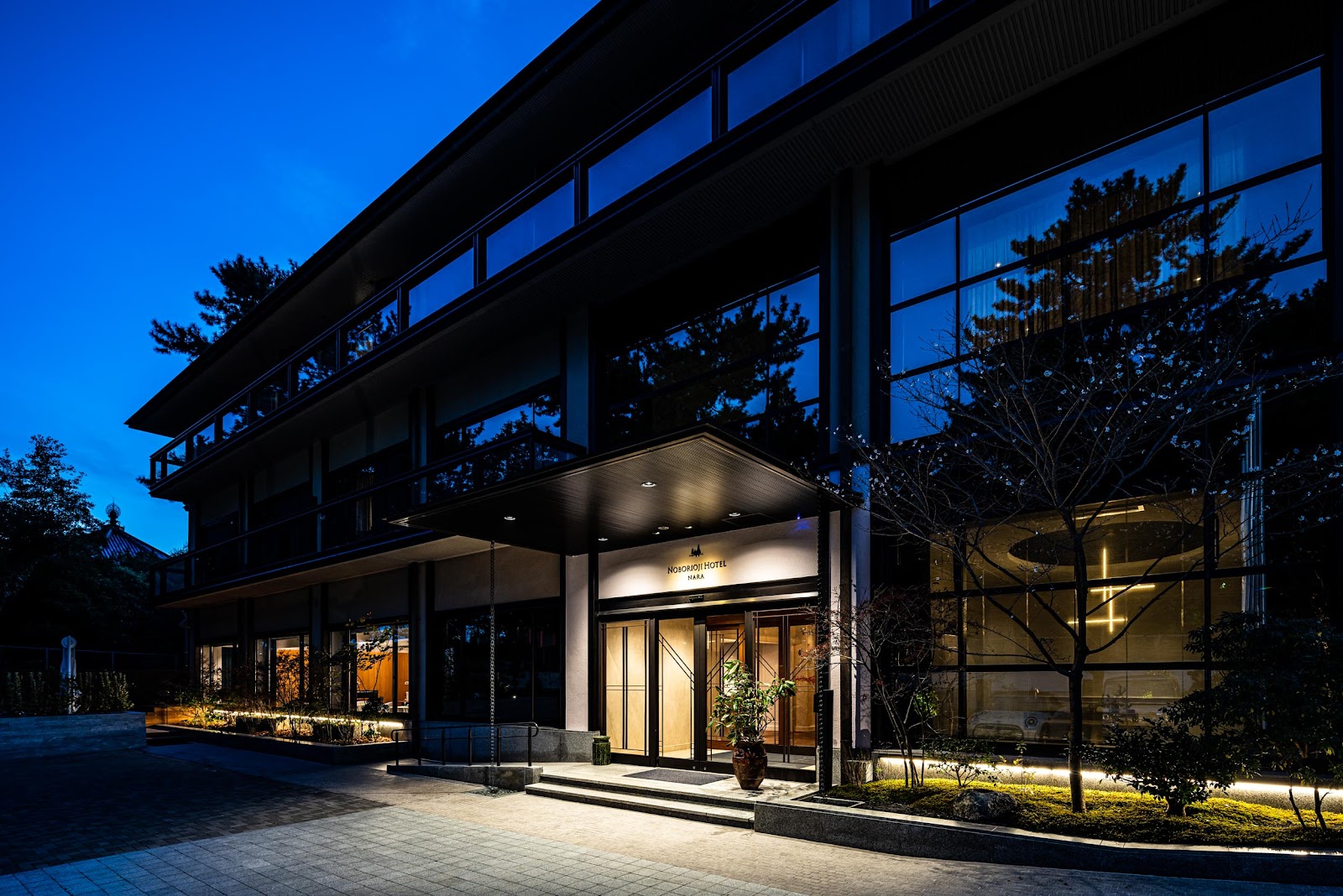
Among the best Nara hotels near Nara Park, Nara Hotel (heritage property, Noborioji-chō 1096, about 8 minutes’ walk to Nara Park and roughly 15 minutes to Tōdaiji; nearest station: Kintetsu Nara, around 12 minutes on foot; typical check-in from mid-afternoon, check-out late morning; upper-mid to high price band) stands out for its classic wood-panelled interiors and views toward Mount Wakakusa. Noborioji Hotel Nara (boutique stay, Noborioji-chō 40-1, roughly 5 minutes’ walk to Nara Park and about 20 minutes to Kasuga Taisha; nearest station: Kintetsu Nara, around 3 minutes on foot; check-in usually mid-afternoon, check-out late morning; high price band) offers a quieter, design-forward stay with spacious rooms and refined service. For a more contemporary option, Shikitei (premium ryokan, Noborioji-chō 4, about 6 minutes’ walk to Nara Park and roughly 18 minutes to Tōdaiji; nearest station: Kintetsu Nara, around 8 minutes on foot; check-in typically mid-afternoon, check-out mid-morning; mid to upper-mid price band) combines tatami suites, kaiseki dinners, and a serene garden setting.
Dining in this area is more subtle than in a big entertainment district, but it is rewarding. You will find restaurants tucked into old machiya-style houses along narrow streets, serving seasonal Japanese cuisine, as well as a few Western-leaning spots that cater to hotel guests after a long day of walking. If you prefer to keep evenings simple, choosing a hotel with a serious in-house restaurant or a well-run bar becomes important, as you may not want to wander far after dark.
Staying near Nara Station and in quieter neighbourhoods
On the west side of the city, around JR Nara Station and Kintetsu Nara Station, the hotel offer changes character. Here, you find larger properties with more rooms, clearer availability patterns, and layouts that work well for families or small groups. The streets along Sanjō-dōri, running from JR Nara Station toward the park, mix everyday shops with cafés and casual restaurants, giving your stay a more local, lived-in feel.
From this area, Nara Park and the main heritage site cluster remain within walking distance – usually 15 to 25 minutes depending on your exact hotel – but the daily choreography is different. You might start the morning with a coffee near the station, walk up to the temples, then return by bus or on foot as the light fades. For travellers planning side trips to Osaka, Kyoto, or even farther into Nara Prefecture, being close to the train lines can outweigh the romance of a park-side address.
For convenient access, Hotel Nikko Nara (city hotel, Sanjō-hommachi 8-1, directly connected to JR Nara Station; about 20 minutes’ walk or a short bus ride to Nara Park; check-in generally from mid-afternoon, check-out late morning; mid-range price band) works well for rail travellers who want straightforward arrivals and departures. Super Hotel Lohas JR Nara Eki (eco-focused business hotel, Sanjō-hommachi 1-2, 1–2 minutes’ walk from JR Nara Station; around 20–25 minutes on foot to Tōdaiji; check-in typically mid-afternoon, check-out mid-morning; lower to mid-range price band) offers compact rooms, an onsen-style bath, and efficient service. Near Kintetsu Nara Station, competitors such as Centurion Hotel Classic Nara (comfortable mid-range, Higashimuki Nakamachi 9, about 5 minutes’ walk to Kintetsu Nara Station and roughly 15 minutes to Nara Park; check-in usually mid-afternoon, check-out late morning; mid-range price band) appeal to travellers who want a central base with easy access to both shopping streets and the heritage zone.
Some newer properties here experiment with more communal concepts, echoing the spirit of share hotels without using that label explicitly. Expect lounges where guests can work or read, compact but well-designed rooms, and a younger, more international mix of travellers. If you value efficient movement during your trip – easy arrivals, straightforward departures, and quick access to transport – this part of Nara Japan is often the smartest base.
What to look at before you book in Nara
Room type matters more in Nara than many travellers expect. Decide early whether you want a Western bed, futons on tatami, or a hybrid room with both options, especially if you are staying several nights. Check whether guest rooms face a garden, the city, or an internal courtyard; in a destination where you will spend hours outside walking, a calm, well-oriented room can transform how you recover between visits.
Location is the second key filter. If your priority is to enjoy Nara Park at dawn or dusk, choose a hotel within clear walking distance of the park’s southern or eastern edges. If you plan to use Nara as a base for wider Kansai exploration, staying closer to the stations will save you time and energy. Look carefully at the minute-walk estimates provided by each property and compare them with a map, as your own pace and interests may differ from the hotel’s description.
Finally, consider dining. Some travellers prefer to eat most meals in the hotel restaurant, especially when kaiseki or other traditional menus are a highlight of the stay. Others want the freedom to explore local restaurants each night, trying everything from refined Japanese cuisine to casual izakaya. In Nara, where evenings are quieter than in Osaka or Kyoto, it is worth checking how many restaurants lie within a comfortable walk of your chosen hotel, and whether the property offers a convincing breakfast to start your day.
Who Nara’s premium hotels suit best
Cultural travellers who value depth over speed will feel most at home in Nara’s better hotels. If your ideal trip involves long walks between temples, unhurried time in gardens, and evenings spent reading rather than chasing nightlife, this city aligns perfectly with that rhythm. A hotel near the park lets you weave heritage sites into your day almost casually, turning a quick visit to Tōdaiji Temple or Kasuga Taisha into a daily ritual rather than a checklist item.
Families often appreciate the combination of open space and manageable distances. Children can enjoy the deer in Nara Park, short walks between sights, and the novelty of a tatami room, while parents benefit from the calm, safe streets and the clear structure of the city. Choosing a hotel with slightly larger rooms or connecting layouts near the station can make logistics smoother, especially if you are carrying more luggage.
For design-conscious travellers and repeat visitors to Japan, Nara offers a quieter canvas on which to explore Japanese hospitality. You will not find the same density of headline properties as in Tokyo, but you will encounter hotels that take omotenashi seriously, from the way staff guide you through the lobby to the pacing of a multi-course dinner. If you are willing to trade a bit of urban buzz for access to World Heritage sites, clean air, and a slower, more reflective stay, Nara is an excellent choice.
Best Hotels in Nara Prefecture Japan
Nara Prefecture is a strong choice if you want a hotel stay that combines cultural depth, walkable heritage sites, and a calmer atmosphere than Kyoto or Osaka. The best hotels cluster around Nara Park and the station area, offering a mix of ryokan-style properties with tatami rooms and kaiseki dining, and modern hotels with spacious Western-style rooms and flexible services. Staying near the park suits travellers who prioritise early-morning visits to Tōdaiji Temple and Kasuga Taisha, while basing yourself near the stations works better if you plan day trips across Kansai. Before booking, focus on room type, exact walking distance to the places you care about, and whether you prefer to dine mostly in the hotel or explore local restaurants each night.
FAQ
What is the best time of year to stay in Nara?
Spring and autumn are the most rewarding seasons for a stay in Nara. From late March to early April, cherry blossoms around Nara Park and the temple complexes create soft, pastel views from many hotels and make early-morning walks particularly atmospheric. In late October and November, the foliage around Kasuga Taisha and Mount Wakakusa turns vivid red and gold, with cooler, comfortable temperatures for long days outside. Summer can be hot and humid, while winter is quieter and more contemplative, appealing to travellers who prefer fewer crowds.
Is Nara a good base for exploring other parts of Kansai?
Nara works well as a base if you value calm evenings and cultural surroundings more than late-night city life. From JR Nara Station and Kintetsu Nara Station, you can reach Kyoto and Osaka in under an hour by train, making day trips straightforward. The trade-off is that you will spend more time commuting than if you stayed directly in those cities, but you return each night to a quieter hotel environment. For travellers who prioritise temple visits, gardens, and slower walks, this balance is often ideal.
Are high-end hotels in Nara suitable for families?
Most premium hotels in Nara are well suited to families, especially those near the station with larger room categories. Many properties offer twin or triple rooms, and some have layouts that work for parents and children sharing a space, whether with Western beds or futons on tatami. The city itself is compact and walkable, with Nara Park and its deer providing an easy daily outing. When choosing, look for clear information on room size and bedding, and consider staying slightly away from the park if you need more space.
Do hotels in Nara offer traditional Japanese experiences?
Several hotels and ryokan-style properties in Nara incorporate traditional Japanese elements into the stay. You may find tatami guest rooms, onsen-style baths, and multi-course kaiseki dinners that highlight local ingredients. Even in more modern hotels, it is common to see Japanese breakfast options, subtle design references to Nara’s heritage, and staff who are attentive to the rituals of omotenashi. If a deeply traditional experience is important to you, focus your search on properties that explicitly mention tatami rooms, Japanese cuisine, and bathing facilities.
How many nights should I plan for a hotel stay in Nara?
Two nights is the minimum that allows you to experience Nara without rushing, especially if you want to visit Tōdaiji Temple, Kasuga Taisha, and the main areas of Nara Park at a relaxed pace. With three nights, you can add quieter sites, spend more time in gardens such as Yoshikien, and enjoy your hotel’s facilities without feeling that you are sacrificing sightseeing time. Travellers using Nara as a Kansai base sometimes stay four or more nights, combining local exploration with day trips to Kyoto or Osaka while returning each evening to a calmer setting.