Plan a hotel-focused trip to Nagano Prefecture, Japan. Compare Nagano city vs onsen towns, learn about Japanese vs western rooms, private and communal onsen, seasonal food, transfer times, and how to choose the best area for your stay.
Is Nagano Prefecture a good place to stay for a hotel-focused trip?
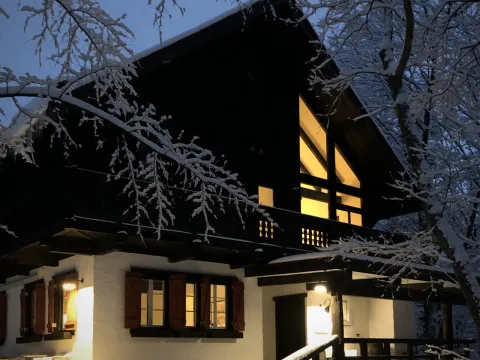
Snow-dusted peaks, cedar-lined temples, and steaming hot springs make Nagano Prefecture one of Japan’s most rewarding regions for a hotel-centered stay. You do not come here only to sleep; you come to soak, to slow down, to watch clouds drift over the Northern Alps from a private outdoor bath. For travelers choosing between cities, Nagano works best if you want nature and onsen culture without sacrificing rail access and urban comforts.
In the city of Nagano itself, hotels cluster around Nagano Station and the avenue leading toward Zenkoji Temple, about 1.8 km away along Chuo-dori. This area suits travelers who want an easy overnight stay between Tokyo and Kanazawa, with quick day trips to the snow monkeys or to nearby ski resorts. Out in the prefecture, stays in places like Nozawa Onsen, Shibu Onsen, Yudanaka Onsen, and the countryside around Matsumoto lean more traditional, with tatami rooms, communal baths, and multi-course Japanese cuisine built around local mountain vegetables.
Choosing Nagano over more famous hot spring regions such as Hakone or Kusatsu is a trade-off. You gain quieter streets, more space, and a stronger sense of everyday Japanese life, especially if you stay near Zenkoji Temple and walk its lantern-lit approach at dawn. You give up some of the polished resort theatrics, but in return you get natural hot springs that feel genuinely rooted in the landscape, not staged for photographs.
- Nagano city: best for short stays, easy transport, and hotels near Nagano Station.
- Onsen towns: ideal for traditional ryokan, hot spring baths, and slow evenings.
- Mountain areas: good for ski resorts, hiking bases, and nature-focused lodges.
Where to stay in Nagano city vs the wider prefecture
Step out of Nagano Station’s Zenkoji exit and you are in the most practical zone for a short stay. Hotels here tend to offer compact but well-organized rooms, often in a clean-lined western style with subtle Japanese touches such as shoji-inspired panels or hinoki-scented bath amenities. This area works for travelers who plan to check in late, leave early, and still want a proper hot bath or even a small onsen facility on site.
Move closer to Zenkoji Temple and the atmosphere shifts. Streets narrow, wooden façades appear, and some smaller properties adopt a more traditional Japanese style, with tatami mat flooring and futon bedding laid out each evening. Staying here suits travelers who value the ritual of the temple’s morning ceremonies and prefer to walk back through quiet alleys after dinner rather than along the busier station boulevard. It feels less like a transit hub, more like a neighborhood.
Beyond the city, the character of hotels changes again. Around Matsumoto, roughly 50 km southwest of Nagano, you find a mix of western style rooms near the castle and more rural retreats closer to the mountains. In classic hot spring towns such as Nozawa Onsen, Shibu Onsen, and Yudanaka Onsen, the focus is squarely on onsen culture: wooden interiors, yukata robes, and access to multiple baths, sometimes including historic communal bath houses in the village itself. These areas are better for travelers who want to stay several nights and build their days around soaking, walking, and seasonal Japanese cuisine.
| Area | Best for | Typical transfer time |
|---|
| Nagano Station | Short stays, day trips, business hotels | 1.5–2 hours from Tokyo by shinkansen |
| Zenkoji area | Temple visits, quieter streets, small inns | About 20–25 minutes on foot from Nagano Station |
| Nozawa / Shibu / Yudanaka | Onsen ryokan, snow monkeys, skiing | Roughly 60–90 minutes from Nagano city by train and bus |
Onsen culture: choosing between private and communal baths
Steam rising from stone tubs, the faint scent of minerals, the sound of water overflowing into wooden channels; onsen is the defining pleasure of a stay in Nagano Prefecture. Many hotels in and around Nagano city now incorporate natural hot spring baths, either piped in from nearby sources or drawn from their own wells. For travelers new to Japanese bathing etiquette, these properties often provide clear instructions and a gentler introduction than the more traditional inns in rural towns.
Communal baths are the norm. You undress completely, wash thoroughly at a low stool, then slip into the hot water, usually separated by gender. The experience is social but quiet, with conversation kept low and phones absent. If you value this shared ritual, choose a hotel that highlights its large indoor baths or rooftop rotenburo, the open-air tubs where you can feel winter air on your face while your body stays submerged in hot spring water.
For more privacy, some higher-end properties in Nagano Prefecture offer private hot spring options: either rooms with their own private outdoor bath on a balcony, or reservable family baths you can book by the hour. These suit couples, families, or anyone uneasy about communal nudity. The trade-off is clear. Private hot baths offer seclusion and convenience, but you lose the scale and atmosphere of the larger communal bath halls, where the architecture, stonework, and even the sound of multiple baths create a different kind of immersion.
- Check whether baths use natural hot spring water or simply heated tap water.
- Confirm tattoo policies in advance, as some communal onsen restrict visible ink.
- Look for photos of indoor and outdoor baths to understand layout and views.
Room styles: Japanese, western, or a hybrid stay
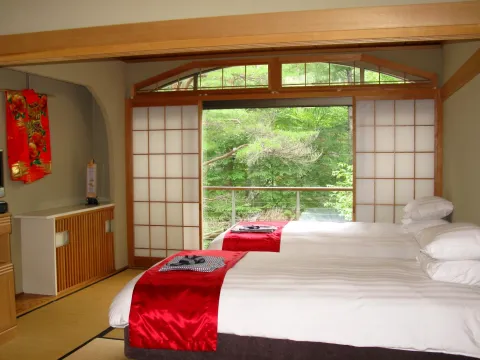
Tatami underfoot, sliding paper doors, a low table set with tea: a traditional Japanese room in Nagano can feel like a small stage set for a slower life. By day, the space is open and uncluttered; by night, staff lay out futon mattresses directly on the tatami, often with thick duvets that make winter stays especially snug. This style works well if you want to experience classic Japanese living, and if you are comfortable sitting and sleeping close to the floor.
Western style rooms, by contrast, offer familiar beds, desks, and armchairs, often in a compact footprint. In Nagano city, many business-oriented hotels lean toward this layout, sometimes including a small unit bath with a deep soaking tub. These rooms are practical for travelers who plan to spend most of their time outside and simply want a comfortable, predictable base with a good mattress and efficient storage.
Some of the most interesting stays in Nagano Prefecture sit between these two worlds. Hybrid rooms might combine twin western beds with a small tatami corner, or offer a Japanese style living area plus a western bedroom separated by sliding doors. This arrangement suits couples or families who want the atmosphere of a traditional Japanese interior without committing to futon sleeping for everyone. When you book, check the room description carefully; the difference between “Japanese style”, “western style”, and “Japanese-western” can completely change the feel of your stay.
- Japanese rooms: best for immersive ryokan stays and onsen-focused trips.
- Western rooms: convenient for business travel and short city breaks.
- Hybrid rooms: flexible for families, mixed preferences, and longer visits.
Food and seasons: how Nagano hotels shape your stay
Breakfast in Nagano often tells you more about a hotel’s priorities than the lobby ever will. A property focused on international travelers might serve a broad buffet including eggs, pastries, and a few nods to Japanese cuisine such as grilled fish and miso soup. More locally rooted stays lean into regional produce: Shinshu apples, mountain vegetables, and rice grown in nearby valleys, sometimes served in simple lacquered trays rather than on a buffet line.
Dinner can be a highlight, especially in onsen towns. Multi-course Japanese cuisine often showcases river fish, seasonal mushrooms, and hot pots that arrive bubbling at your table, ideal after a long soak in the baths. In ski areas and around Nagano Station, you will also find hotels that incorporate western style dishes into their menus, which can be useful for longer stays when you want variety. The key is to decide whether you want your meals to be part of the experience or simply a convenient option.
Season matters. In spring, cherry trees along the Sai River and in parks near Zenkoji Temple soften the city, and a stay in Nagano works well as a base for day trips to Matsumoto or to the snow monkey park while the last snow lingers in the hills. Winter stays, especially around Nozawa Onsen and Shibu Onsen, revolve around hot springs and deep snow, with hotels designed to handle wet boots, heavy coats, and the rhythm of ski days followed by long, hot baths.
- Spring and autumn: best for temple walks, castle visits, and scenic train rides.
- Winter: ideal for ski resorts, snow monkeys, and long evenings in onsen.
- Summer: good for alpine hiking, cooler mountain air, and countryside ryokan.
Planning your stay: what to check before you book
Distance on a map can be deceptive in Nagano Prefecture. Before you book, check how long it actually takes to reach key places such as the snow monkey park near Jigokudani, Nozawa Onsen, or Matsumoto from your chosen hotel. As a guide, the bus from Nagano Station to the Kanbayashi Onsen stop near Jigokudani usually takes about 40–50 minutes, followed by a 30–40 minute forest walk to the park entrance. A property near Nagano Station is ideal if you plan multiple day trips by train or bus, while a stay inside an onsen town is better if you want to walk everywhere and build your days around soaking and strolling.
Access to hot springs is another crucial filter. Some hotels advertise “spa” facilities that are simply large baths with heated water, while others draw from genuine natural hot springs. If onsen is a priority, look for clear mention of natural hot spring water and note whether the baths are communal only or if private outdoor tubs are available. For travelers with tattoos, it is worth checking the hotel’s policy on communal bath use, as rules vary across the prefecture.
Finally, consider how you want to balance culture and convenience. A stay near Zenkoji Temple places you within walking distance of one of Japan’s most important Buddhist sites, with narrow backstreets that feel atmospheric in the early morning. A hotel closer to the station simplifies luggage handling and transfers, especially if you are planning a short overnight stay between other destinations. For many travelers, the most satisfying approach is a combination: one night in the city for temple visits and urban dining, followed by several nights in an onsen town devoted to hot baths, nature, and unhurried evenings.
Top Hotels in Nagano Prefecture Japan
Nagano Prefecture is an excellent choice if you want hotels that combine access to nature, authentic hot spring culture, and efficient rail connections. Stay in Nagano city near the station or Zenkoji Temple for easy transport and urban comforts, then add nights in onsen towns such as Nozawa Onsen or Shibu Onsen for traditional Japanese rooms, communal baths, and multi-course local cuisine. Before booking, check whether a property uses natural hot spring water, whether it offers private or only communal baths, and how long transfers take to key sights like the snow monkey park or Matsumoto. Travelers who enjoy onsen rituals, seasonal food, and a slower rhythm of travel will find Nagano Prefecture particularly rewarding.
- Search for phrases like “best ryokan in Nozawa Onsen” or “hotels near Nagano Station” to compare options.
- Use recent guest photos to judge room size, bath facilities, and views.
- Check whether properties are family friendly, offer non-smoking floors, or provide parking.
FAQ
What type of hotel area is best for a first stay in Nagano Prefecture?
For a first visit, staying in Nagano city near Nagano Station works best if you want straightforward access and easy day trips. You can reach Zenkoji Temple on foot along Chuo-dori, then take trains or buses to the snow monkey park, Matsumoto, or nearby ski areas. If hot springs are your main focus, combine this with a few nights in an onsen town such as Nozawa Onsen or Shibu Onsen, where most hotels center the experience around baths and traditional Japanese style rooms.
Are there many hotels with hot springs in Nagano Prefecture?
Nagano Prefecture has a strong onsen culture, and many hotels either include their own hot spring baths or sit within walking distance of public bath houses. In Nagano city, some properties feature natural hot spring facilities, while in classic onsen towns almost every stay revolves around soaking. When you book, check whether the baths use genuine natural hot spring water and whether they are communal only or if private hot spring options are available.
Is Nagano a good base for visiting the snow monkeys?
Yes, Nagano city is a practical base for visiting the snow monkeys at the park near Jigokudani. From hotels around Nagano Station, you can take public transport toward the monkey park and return the same day, making it an easy day trip. Travelers who want more immersion in hot spring culture often stay one or two nights in nearby onsen towns, then visit the snow monkeys from there.
Should I choose a Japanese style room or a western style room in Nagano?
The choice depends on how you like to sleep and move in a room. Japanese style rooms with tatami and futon offer a more traditional experience and pair well with onsen-focused stays, especially in towns like Nozawa Onsen or Shibu Onsen. Western style rooms with beds and desks are more common in Nagano city and suit travelers who prefer familiar layouts. Hybrid rooms that combine both elements are a good compromise for couples or families.
How many days should I plan for a hotel stay in Nagano Prefecture?
Three to four nights is a comfortable minimum if you want to combine city and onsen experiences. One or two nights in Nagano city allow time for Zenkoji Temple and a day trip, while two additional nights in a hot spring town give you space to enjoy the baths, local Japanese cuisine, and nearby nature without rushing. Travelers focused on skiing or hiking often extend their stay to a week or more, using a single hotel or ryokan as a base.