How to choose the best hotel in the Hakone onsen area. Compare Hakone Yumoto, Gora, and Lake Ashi, understand room types and meals, and plan a relaxing hot spring stay.
Choosing the right Hakone onsen area
Steam rising from a cedar tub at dusk, Mount Fuji faintly visible beyond the hills — this is what most guests imagine when they search for a hotel in the Hakone onsen area. The reality is more nuanced. Different valleys, different hot springs, very different stays. Choosing the right corner of Hakone matters more than choosing the right pillow.
Hakone is not a single town but a cluster of onsen villages spread around a volcanic caldera. A hotel in Hakone Yumoto, near the base of the valley, feels urban and convenient, with trains, shops, and a constant flow of day-trippers. A property in Hakone Gora or near the old road above Miyanoshita trades convenience for altitude, cooler air, and quieter nights. Around Lake Ashi, rooms open to water and sky rather than to steep forested slopes.
For a first stay, many guests gravitate to Hakone Yumoto onsen. It sits just a few minutes’ walk from the station on the Odakyu line, and a short bus ride connects you to the ropeways and museums higher up. Repeat visitors often move further into the mountains, where the hot spring baths feel more secluded and the rhythm slows. Your choice is essentially this trade-off — access versus atmosphere.
Hakone Yumoto: gateway for first-time visitors
Platform 3 at Hakone-Yumoto Station is where most trips begin. You step off the train and within a minute walk you are on the main shopping street, with its manju sweet shops and luggage storage counters. Hotels here tend to be larger, with a wide range of rooms and onsen options designed to handle both overnight guests and day-use bathers.
Staying in Hakone Yumoto suits travelers who want to explore widely in a short time. The hot springs here are typically clear and gently hot, and many properties pipe the water into multiple indoor and open-air baths. Expect a more social atmosphere — shared spring baths can be busy in the early evening, and you will hear the rumble of trains until late. For some, that energy is part of the charm.
Rooms in this area often mix Western beds with tatami seating corners, a practical compromise for those not used to futons. Breakfast tends to be generous and varied, with both Japanese and Western dishes laid out early for guests catching the first bus ride up to Gora. If you are unsure where to start with hotel Hakone choices, Yumoto onsen is the safest, most flexible base.
Gora and Hakone Gora: mountain air and design-led stays
Higher up the valley, around Gora Station and the steep streets of Hakone Gora, the mood changes. The air is cooler, the slopes steeper, and the properties smaller and more design-conscious. You come here less for convenience and more for the feeling of being tucked into the mountains, with hot spring baths that look straight into cedar forest.
Many hotels in this area focus on fewer rooms and more space per guest. Private onsen on balconies or in small enclosed gardens are common, turning the spring bath into a personal ritual rather than a communal one. The water can feel slightly different from Yumoto — still hot, but sometimes with a faint mineral scent or a milky hue, depending on the source. Guests who value quiet evenings and long, unhurried dinners tend to prefer this part of Hakone.
Access requires a little more planning. You usually reach Gora by a short but winding train or bus ride, and some properties sit another 5 to 10 minutes’ walk uphill from the station. In return, you gain proximity to the Hakone Open-Air Museum and the cable car up toward Owakudani. For a second or third visit, this is where many travelers upgrade their expectations of what an onsen Hakone stay can be.
Lake Ashi and lakeside retreats
Down by Lake Ashi, the landscape opens suddenly. Instead of narrow valleys, you get long views across the water, with the torii gate of Hakone Shrine standing in the shallows near Moto-Hakone. A hotel near the lake trades the classic mountain onsen feel for a more resort-like rhythm, with walks along the shore and boat cruises filling the day between baths.
Properties here often orient every room toward the lake, with large windows and terraces rather than compact tatami rooms. The hot spring baths may be slightly smaller than in Yumoto or Gora, but the open-air tubs gain drama from the horizon line of the water. On clear days, some vantage points offer glimpses of Mount Fuji beyond the lake, especially along the stretch between Moto-Hakone and Hakone-machi.
Staying by Lake Ashi works well for guests who want to slow down. You are a bus ride away from the main transport hubs, so you tend to plan fewer moves and linger longer over dinner and breakfast. This is also where couples often look for rooms with private onsen and more discreet service, using the lake as a backdrop rather than a checklist sight.
Room types, meals, and onsen etiquette
Across the Hakone onsen area, the same core decisions repeat. Western bed or futon. Shared baths only, or a room with its own hot spring bath. Dinner and breakfast included, or just a morning meal. These choices shape your stay more than any star rating. A traditional ryokan-style property will usually bundle dinner and breakfast into the rate, serving multi-course kaiseki in your room or in a private dining space.
For guests with dietary needs, including gluten free requirements, the key is to choose a hotel that clearly explains its meal options in advance. Some kitchens are adept at adjusting sauces and tempura batters, others are not. If you prefer flexibility, consider a guest house or a more contemporary hotel that offers only breakfast, leaving you free to explore small restaurants around Hakone-Yumoto or Gora in the evening.
Onsen etiquette is consistent across the region. You wash thoroughly before entering the baths, soak quietly, and keep towels out of the water. Many properties separate men’s and women’s baths and rotate them morning and evening so each group can enjoy different views. Private onsen, whether attached to a room or bookable by the hour, are ideal for those who feel shy about communal bathing or are traveling with family.
Comparing atmospheres: from classic ryokan to modern retreats
Not all hotels in Hakone feel traditional. Along the main road between Hakone-Yumoto and the area sometimes referred to as Hakone Kowakien, you will find larger properties with multiple wings, several baths, and a more international style of service. These often appeal to families and groups who want a wide range of room options and easy logistics, rather than a deeply traditional experience.
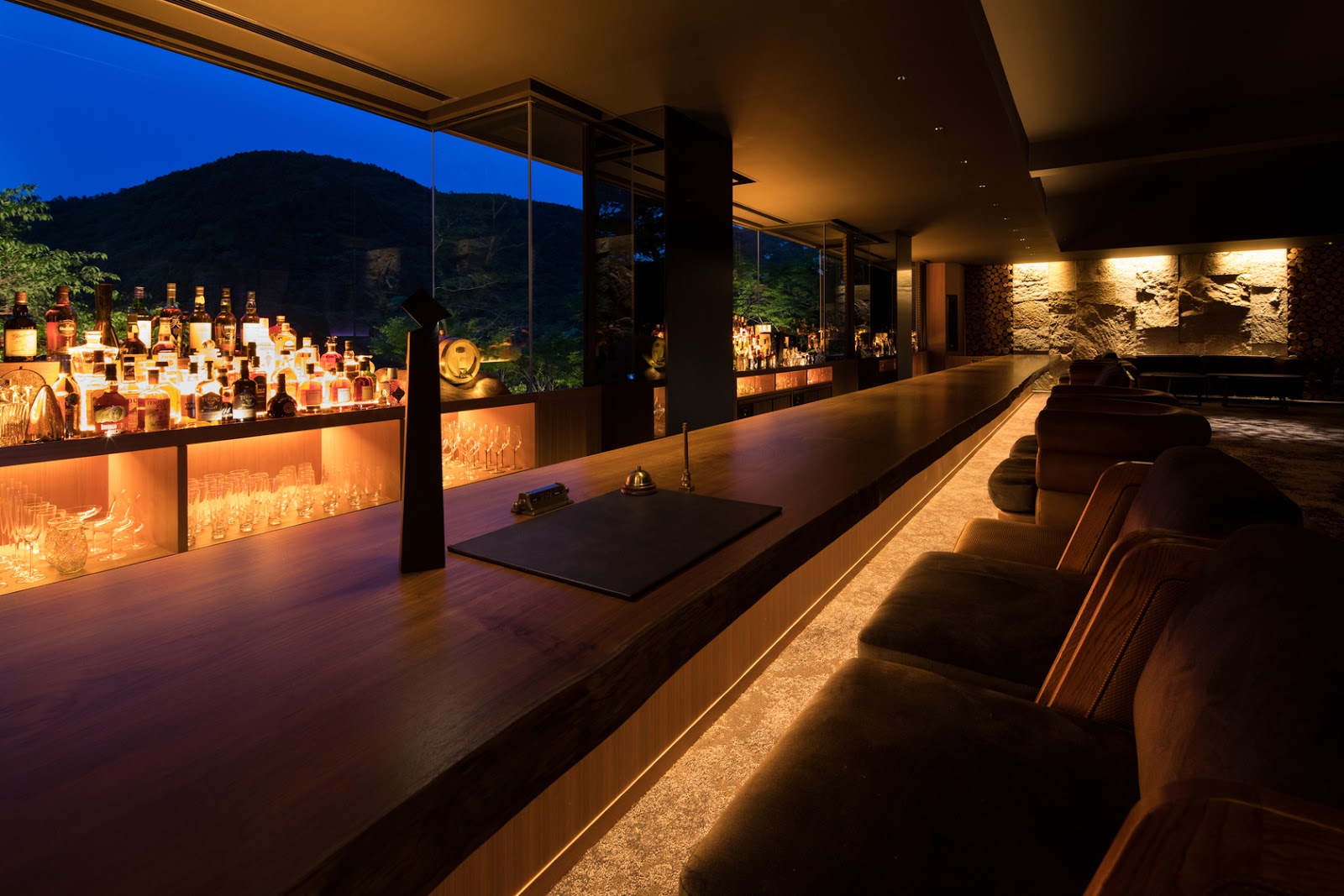
Further up the valley, near the old stone-paved section of the Tokaido road, the mood shifts toward heritage. Some long-established properties lean into history with tatami rooms, low tables, and quiet gardens. Others reinterpret the ryokan idea with clean-lined interiors, art-led public spaces, and restrained use of wood and stone. Guests who care about design as much as hot springs tend to gravitate here.
There is no single “best” style. A classic ryokan with shared baths suits travelers who want to immerse themselves in ritual — set dinner times, yukata robes, the soft thud of sliding doors. A more contemporary hotel Hakone stay, with Western-style rooms and a mix of Japanese and international dishes at breakfast, works better for those who prefer structure but not ceremony. Decide which atmosphere you want to come home to after a day of ropeways and museums.
Practical tips for booking in the Hakone onsen area
Planning a stay in Hakone is less about chasing the most famous name and more about aligning details with your habits. Look first at location: Hakone Yumoto for access, Gora for mountain calm, Lake Ashi for views. Then check the onsen facilities — how many baths, whether there is an open-air tub, and if any rooms have a private spring bath. These specifics matter more than broad labels.
When you check availability, pay attention to whether rates include dinner and breakfast or only a morning meal. Guests who enjoy long, seasonal dinners will appreciate the full-board rhythm of a traditional property. Those who like to wander out in the evening may prefer a hotel that focuses on breakfast only. In both cases, confirm the latest dinner start time; in Hakone, kitchens tend to close earlier than in big cities.
Transport is the final filter. If you are arriving with luggage, a property within a few minutes’ walk of a station or bus stop will make your arrival and departure smoother. More secluded hotels may require a short taxi ride from Hakone-Yumoto or Gora, which buys you quiet but adds a layer of logistics. For many travelers, the ideal compromise is a place close enough to the main line for easy day trips, but just far enough away that the only sound at night is the river and the faint hiss of hot springs.
Best Hotels in Hakone Onsen Area
The best hotels in the Hakone onsen area are those that match their location and hot spring style to your travel rhythm. Choose Hakone Yumoto for a convenient base with many room options and easy access to the rest of the region. Opt for Gora or the higher valleys if you value quieter nights, design-focused properties, and more intimate baths. Head to Lake Ashi when lake views and slower days matter more than quick connections. In every case, decide first on atmosphere and onsen type, then refine your booking by meals, room layout, and proximity to stations or bus stops.
FAQ
Is Hakone a good place to experience a traditional onsen stay?
Hakone is one of Japan’s classic hot spring regions and an excellent place to experience a traditional onsen stay. The area offers a wide range of properties, from heritage-style inns with tatami rooms and multi-course dinners to more contemporary hotels that still pipe natural hot spring water into their baths. Because the region has multiple onsen sources, you can try different water qualities and settings over a short stay.
Which area of Hakone is best to stay in for first-time visitors?
For first-time visitors, Hakone Yumoto is usually the most practical base. It sits at the entrance to the valley, directly connected by train, and offers many hotels within a short walk of the station. From there, you can take a bus or train up to Gora, the museums, and Lake Ashi, then return easily to your room and baths in the evening.
What is the difference between staying in Yumoto, Gora, and Lake Ashi?
Yumoto offers convenience and a lively atmosphere close to the main station, with many properties and easy transport. Gora and the higher areas feel more secluded, with cooler air, smaller hotels, and a stronger focus on design and private onsen. Lake Ashi provides wide water views and a resort-like pace, but requires a longer bus ride to reach the main transport hubs.
Do I need a private onsen in my room, or are shared baths enough?
Shared baths are more than enough for most travelers, as they are usually spacious, well maintained, and often include both indoor and open-air tubs. A private onsen in your room becomes worthwhile if you value privacy, plan to bathe late at night or very early, or are traveling as a couple and want a more personal experience. It is a luxury, not a necessity, but can transform the feel of your stay.
How many nights should I stay in Hakone to enjoy the hot springs?
Two nights is the sweet spot for most guests. One night allows only a quick arrival bath, dinner, and a morning soak before departure. With two nights, you can check in early, enjoy multiple baths at different times of day, explore one or two parts of the region such as Gora or Lake Ashi, and still have time to linger over breakfast without rushing back to the station.