Discover how to choose the best Kagoshima hotel, from city stays near Kagoshima-Chuo Station to Kirishima onsen ryokan with volcano views and private hot spring baths.
Kagoshima hotels: how to choose the right stay for hot springs and volcano views
Why Kagoshima belongs on a luxury hotel shortlist
Steam rises before you even see the sea. In Kagoshima prefecture, natural hot springs, subtropical air and views of the active Sakurajima volcano shape the entire hotel experience. This is not a destination where you simply need a room; it is a place where the hotel often becomes the main reason for the trip.
Travelers choosing a hotel in Kagoshima Japan are usually deciding between three very different moods. There is the urban energy of Kagoshima city, with its compact downtown, the neon tangle around Kagoshima Tenmonkan and large full-service properties such as Shiroyama Hotel Kagoshima. There are the mountain retreats of Kirishima, where hot spring resorts like Kirishima Kokusai Hotel sit in the forest above the clouds. And there is the southern coast around Ibusuki, where onsen culture meets the open sea, sand baths and long, slow evenings.
For a first trip to Kagoshima, staying in or just above Kagoshima city works best. You can watch the Sakurajima volcano across Kinko Bay at sunrise, then be in the tram on Tenmonkan-dori ten minutes later. Those returning, or anyone who already knows Tokyo and Kyoto well, often prefer a hotel in Kirishima or Ibusuki for deeper immersion in hot springs and quieter nights.
Staying in Kagoshima city: urban energy, volcanic views
Electric trams clatter along Tenmonkan-dori while, in the distance, Sakurajima sends a faint plume into the sky. Hotels Kagoshima in the city centre lean toward convenience and skyline views rather than seclusion. Expect efficient service, compact but well-planned rooms, and easy access to shopping arcades, izakaya and the waterfront promenade around Kagoshima Port.
The most sought-after addresses sit on the hillside above the city or along the bayfront. Shiroyama Hotel Kagoshima, for example, looks straight across Kinko Bay to the volcano, especially striking on clear winter mornings when the air is crisp and the light sharp. JR Kyushu Hotel Kagoshima and Solaria Nishitetsu Hotel Kagoshima, both near Kagoshima-Chuo Station, suit travelers who want business-hotel efficiency with quick shinkansen access, while Richmond Hotel Kagoshima Tenmonkan places you steps from nightlife. Many of the best hotels here integrate onsen-style baths, sometimes with open air pools where you can soak while ferries cross the bay below or the lights of Tenmonkan flicker on.
For travelers who want to balance work and leisure, Kagoshima city offers the most flexible base. You can check availability for different room categories, from standard floors to club-level spaces with lounge access, and then step out to Tenmonkan in under fifteen minutes. Typical mid-range rooms near Kagoshima-Chuo Station start around the equivalent of ¥10,000–¥18,000 per night, with suites and club rooms higher, and booking two to three months ahead usually secures the best mix of price and room type. It suits those who prefer to dine out each night rather than commit to a full kaiseki course in-house.
Kirishima mountain retreats: hot spring sanctuaries
Clouds hang low over cedar forests as you drive into Kirishima. Here, the hotel is usually a self-contained world built around hot springs, with the landscape doing most of the talking. Properties in this area often spread across several low-rise wings, with rooms stepping down the hillside to catch valley or distant bay views, and shuttle buses from Kagoshima Airport or Kirishima-Onsen Station trimming the last leg of the journey.
The defining feature is the onsen. Many hotels in Kirishima offer multiple baths: indoor pools lined with stone, open air rotenburo facing the trees, and sometimes private hot spring baths attached to suites. The water can be milky, iron-rich or almost clear, but it is always hot, and the ritual of moving between different temperatures becomes the rhythm of your stay. At traditional ryokan-style properties such as Kirishima Kokusai Hotel, Ryokojin Sanso or Soranoniwa, dinner and breakfast are usually included in the room rate, which often starts around ¥20,000–¥30,000 per person with meals.
If you are choosing between a hotel Kagoshima in the city and a hotel Kirishima in the mountains, think about how you like to spend evenings. In Kirishima, nights are quiet, dinners are usually taken in the property’s dining room, and the last activity of the day is often a late soak under the stars. It is the better choice for travelers who see the onsen as the main event rather than an extra amenity, and who are comfortable with fewer independent restaurants or bars within walking distance.
Onsen culture: what to expect from baths and air baths
Mineral-rich water is the real luxury in Kagoshima prefecture. Local tourism surveys indicate that a substantial share of accommodation facilities in the prefecture offer some form of hot spring facility, and in the higher-end properties the design of the baths rivals the rooms themselves. You will often find a sequence of experiences: a main communal bath, smaller pools at different temperatures, and an open air section where steam meets cool night air.
Some coastal and mountain hotels also feature so-called “air baths” – not a technical term, but a useful one. These are semi-open spaces where you can lie or sit in heated areas exposed to the outside air, sometimes with only a bamboo screen between you and the landscape. The contrast between Kagoshima hot springs and the breeze off the bay or forest is what makes these spaces memorable, especially in areas like Ibusuki where sea air mixes with volcanic heat.
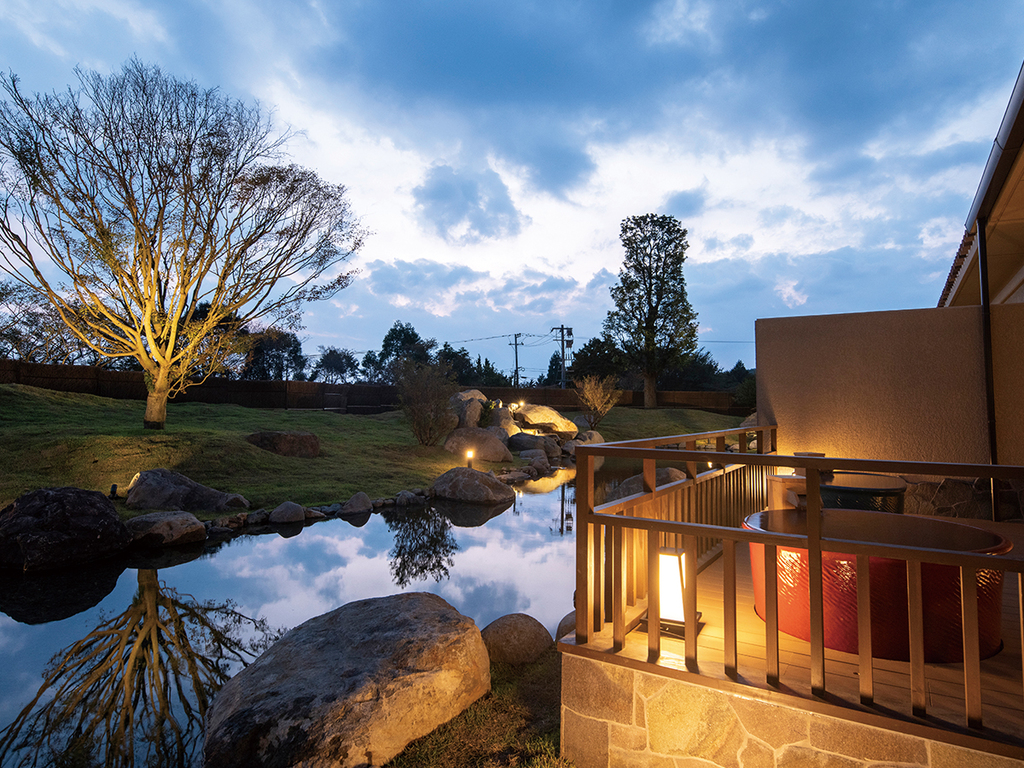
Before you book, check whether the property offers private onsen options. Couples, families or anyone new to Japanese bathing etiquette often appreciate reservable baths that can be used alone. When you check availability, look carefully at room descriptions; in some of the best hotels, certain suites include their own hot spring bath on the terrace, which changes the entire feel of the stay. These rooms sell out first on weekends and holidays, so securing them when you make your initial reservation is wiser than hoping to upgrade on arrival.
Rooms, atmosphere and what to check before booking
Room categories in Kagoshima prefecture range from compact city doubles to expansive corner suites with panoramic bay views. In the mountains and along the coast, you will also see hybrid layouts that mix Western beds with tatami sitting areas, giving you the choice between a sofa and a low table for tea. The most desirable rooms usually face either Sakurajima volcano, Kinko Bay or a dense forest slope in Kirishima, while in Ibusuki the premium categories look toward the open sea.
When comparing hotels, do not stop at the star hotel rating. Look at the balance between private space and shared facilities. A smaller room in a property with exceptional open air baths and well-designed lounges can feel more luxurious than a larger but isolated suite in a building with little character. The best hotels in Kagoshima Japan tend to have a clear architectural point of view rather than generic interiors, and reviews often highlight details such as local ceramics, regional cuisine and views from the public baths.
Before you book, check a few practical points. Confirm whether your stay includes access to all hot springs on site or if some baths require a supplement. Look at the latest photos of the onsen areas, not only the rooms, as these will shape your daily routine. And if you are sensitive to noise, ask for a room away from main roads such as the stretch of Route 10 near the waterfront, where traffic can run late, and request higher floors or corner rooms when you submit your booking preferences.
Who Kagoshima hotels suit best
Travelers who already know Japan’s major cities often find Kagoshima prefecture a refreshing change of pace. The region suits those who value ritual – morning baths, slow breakfasts, unhurried walks along the bay – more than nightlife. If your ideal day involves three onsen sessions and a quiet drink while watching the volcano, this is your place.
Families appreciate the variety of baths and the relatively relaxed atmosphere compared with denser urban centres. Many hotels offer rooms that can comfortably sleep three or four guests, with futons laid out on tatami in the evening. The combination of hot springs and outdoor space, especially in Kirishima and Ibusuki, works well for multi-generational trips where not everyone wants to be in the city every day, and where grandparents can enjoy shorter strolls between room, bath and dining room.
For design-focused travelers, the trade-off is clear. Kagoshima city gives you easier access to galleries, cafés and the tram network, while the mountain and coastal areas deliver stronger immersion in nature and onsen culture. If time allows, splitting a stay – two nights in the city, two in a hot spring retreat – often reveals the prefecture at its best and reduces the need for long day trips by car or bus.
Practical planning: timing, availability and seasonal character
Spring and autumn are the most comfortable seasons for a hotel stay in Kagoshima prefecture. In March and April, cherry trees along the rivers near Kagoshima city soften the volcanic landscape, while the air is cool enough to make evening baths feel especially indulgent. By late October, the humidity drops, skies clear and the view of Sakurajima across Kinko Bay becomes razor sharp, which is ideal for rooms that face directly toward the volcano.
Summer brings intense heat and a heavier atmosphere, but also a certain drama. Thunderclouds build over the bay, and slipping into an open air bath as cicadas scream in the trees is a very specific, very southern Japan experience. If you travel then, prioritise hotels with generous shaded areas and indoor baths so you are not entirely dependent on the weather, and consider booking rooms with private open air tubs so you can bathe at cooler times of day.
When you check availability, remember that weekends, national holidays and local festival periods can fill quickly, especially in Kirishima and other hot spring areas. Kagoshima prefecture counts well over a thousand accommodation options, but the most characterful properties are limited in size. Securing the right room type – view, bath access, layout – matters more here than chasing the lowest price, and booking three to six months ahead for peak cherry blossom or autumn foliage periods is often necessary for first-choice hotels.
What is the best time to visit Kagoshima for a hotel stay?
The most comfortable periods for a hotel stay in Kagoshima are spring and autumn, when temperatures are mild and humidity is lower. From March to April, you can enjoy fresh air and seasonal views while still making full use of hot springs. Late October and November bring clear skies and excellent visibility of Sakurajima volcano across Kinko Bay, which makes view-focused rooms particularly rewarding.
Do hotels in Kagoshima prefecture usually have onsen facilities?
Onsen culture is central to the region, and a significant share of properties integrate hot springs into their design. Many hotels and ryokan in areas such as Kagoshima city, Kirishima and Ibusuki offer some form of onsen, from simple indoor baths to elaborate complexes with multiple open air pools. When choosing, always check whether the baths use natural hot spring water, if they rotate men’s and women’s areas, and whether private or family baths are available for exclusive use.
Is English commonly spoken in Kagoshima hotels?
Larger and more established hotels in Kagoshima city and major hot spring areas typically have staff who can communicate in English. In smaller properties, English may be more limited, but basic check-in procedures and key information are usually manageable. If you have specific needs, it is wise to confirm language support when you plan your stay and to keep reservation details printed or on your phone for easy reference.
Do Kagoshima hotels offer airport or station transfers?
Some higher-end hotels provide shuttle services from Kagoshima Airport or main train stations, especially those located in mountain hot spring areas where public transport is less frequent. City properties are often well connected by tram and bus instead of private transfers, with Kagoshima-Chuo Station around ten minutes by tram from the Tenmonkan district. Always verify the latest transport options and shuttle schedules when organising your arrival and departure, as services can change seasonally.
Should I reserve onsen sessions in advance?
For large communal baths, advance reservations are usually not required, as guests can come and go during opening hours. However, private onsen rooms and reservable family baths often need to be booked for specific time slots, particularly on weekends and holidays. If a private bath is important to you, secure it when you arrange your room or at check-in, and ask about time limits or additional fees so you can plan the rest of your evening around your soak.