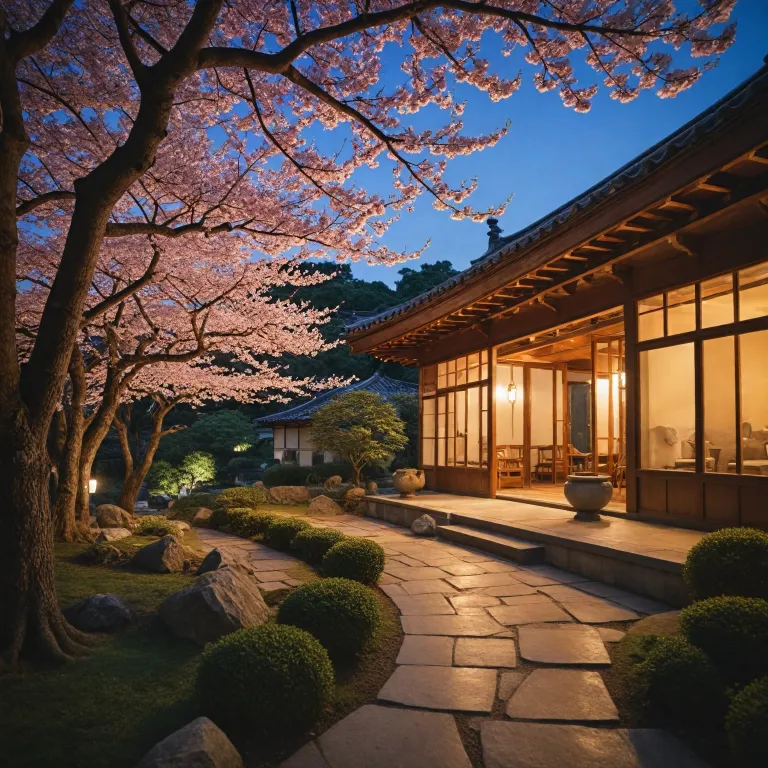
Unveiling the essence of famous luxury hotels in Japan
Japan’s luxury hotel landscape is a harmonious blend of refined tradition and contemporary elegance. From the moment guests step into the lobby, the interplay of sliding screens, natural materials, and curated art sets the tone for an immersive experience. Each hotel in Japan, whether in the heart of Tokyo or the serene streets of Kyoto, offers a unique perspective on hospitality, with guest rooms designed to maximize comfort and showcase breathtaking views.
The famous luxury hotels in Japan, such as Aman Tokyo and The Peninsula Tokyo, are renowned for their meticulous attention to detail. Every room and suite is crafted to provide a sense of tranquility, often featuring panoramic cityscapes or tranquil gardens. The integration of Japanese aesthetics, including tatami mats and shoji screens, creates a seamless connection between tradition and modernity. For travelers seeking an elevated stay, these hotels offer exclusive amenities such as private pools, world-class restaurants, and personalized services that cater to every need.
Booking a night at these luxury hotels is more than a reservation—it is an invitation to experience Japanese culture at its finest. Whether using Expedia, Pinterest, or direct booking platforms, guests can check availability and secure their preferred rooms or suites with ease. The rise of digital platforms like Expedia Pinterest and Booking Pinterest has made it even simpler to compare hotels in Japan, explore room options, and find the perfect match for any occasion. The demand for luxury hotel experiences continues to grow, with travelers eager to book their stay at iconic properties like Aman Kyoto, Ritz Carlton, and Trunk Hotel.
One of the defining features of these hotels is their commitment to sustainability and wellness. Many properties incorporate eco-friendly practices, from energy-efficient lighting to locally sourced ingredients in their restaurants. The presence of swimming pools, thermal springs, and state-of-the-art fitness centers ensures that guests can relax and rejuvenate during their stay. In cities like Tokyo and Kyoto, the juxtaposition of urban excitement and serene retreats is evident in every aspect of the hotel experience.
For those planning a trip to Japan, it is advisable to book in advance, especially during peak travel seasons. Checking for seasonal promotions or exclusive packages can enhance the value of each night spent in these prestigious hotels. The expertise of renowned architects like Kengo Kuma and the influence of hospitality experts such as Danielle Demetriou further elevate the status of Japan’s luxury hotel scene, making it a destination of choice for discerning travelers worldwide.
Architectural brilliance and design innovation in Japan’s luxury hotels
Japan’s famous luxury hotels are celebrated not only for their impeccable service but also for their architectural ingenuity. The collaboration between international designers and Japanese artisans has resulted in spaces that are both visually stunning and deeply rooted in local culture. Properties like Aman Tokyo and Aman Kyoto exemplify this synergy, with interiors that feature natural wood, stone, and expansive glass windows framing iconic views of the city or surrounding nature.
The influence of architects such as Kengo Kuma is evident in the thoughtful integration of traditional elements like sliding screens and tatami flooring. These design choices create a sense of harmony and balance, allowing guests to feel connected to their surroundings. The use of natural light, open spaces, and minimalist décor enhances the feeling of tranquility in each room and suite. Hotels in Japan are renowned for their ability to blend modern luxury with timeless elegance, offering guests an unparalleled experience.
In Tokyo, properties such as the Bulgari Hotel Tokyo and Mandarin Oriental Tokyo stand as testaments to the city’s dynamic spirit. Their guest rooms and suites offer sweeping views of the skyline, while restaurants and lounges provide a sophisticated setting for dining and socializing. The presence of amenities like swimming pools, wellness centers, and exclusive spas further distinguishes these hotels from their counterparts worldwide. For travelers seeking inspiration, platforms like Expedia Pinterest and Booking Pinterest offer curated collections of hotel interiors and design ideas.
Kyoto’s luxury hotels, including HOTEL THE MITSUI KYOTO and Aman Kyoto, draw inspiration from the city’s rich cultural heritage. The use of traditional materials, serene gardens, and private onsens creates an atmosphere of relaxation and introspection. Guests can book their stay through Expedia or directly with the hotel, ensuring a seamless booking experience. The attention to detail in every aspect of the design reflects the Japanese commitment to hospitality and excellence.
For those interested in exploring more about luxury hotel design in Japan, the comprehensive guide to Japanese hotel architecture provides in-depth insights and visual inspiration. Whether in Tokyo, Kyoto, or Niseko, the architectural brilliance of these hotels continues to set new standards in the global hospitality industry.
Culinary excellence: restaurants and dining experiences in luxury hotels
Dining at famous luxury hotels in Japan is an experience that transcends the ordinary. Each hotel boasts a selection of world-class restaurants, many of which have been awarded Michelin stars for their exceptional cuisine. The Mandarin Oriental Tokyo, for example, is home to three Michelin-starred restaurants, offering guests a diverse array of culinary delights. From traditional kaiseki to innovative fusion dishes, the dining options cater to every palate.
Japanese hospitality is reflected in the meticulous preparation and presentation of each dish. Restaurants within these hotels source the finest local ingredients, ensuring that every meal is a celebration of flavor and artistry. Guests can enjoy breakfast with panoramic views of Tokyo, indulge in afternoon tea surrounded by elegant décor, or savor a multi-course dinner in a private dining room. The presence of renowned chefs and sommeliers adds an extra layer of sophistication to the dining experience.
Booking a table at these exclusive restaurants is often as sought after as reserving a room or suite. Platforms like Expedia and Booking Pinterest make it easy to check availability and secure a reservation, whether for a romantic dinner or a business meeting. The integration of digital tools has streamlined the booking process, allowing guests to plan their culinary journey with ease. For those seeking inspiration, Pinterest courtesy boards showcase the latest trends in hotel dining and restaurant design.
In addition to fine dining, many luxury hotels in Japan offer unique culinary experiences such as tea ceremonies, sake tastings, and cooking classes. These activities provide guests with an opportunity to immerse themselves in Japanese culture and traditions. The emphasis on personalized service ensures that every meal is tailored to individual preferences, making each night spent at the hotel truly memorable.
For a deeper exploration of Japan’s luxury dining scene, the ultimate guide to Japanese hotel restaurants offers expert recommendations and insider tips. Whether in Tokyo, Kyoto, or Niseko, the culinary excellence of these hotels is a testament to Japan’s rich gastronomic heritage.
Wellness, relaxation, and exclusive amenities for discerning guests
The wellness offerings at famous luxury hotels in Japan are designed to provide guests with a sanctuary of relaxation and rejuvenation. From state-of-the-art fitness centers to tranquil swimming pools, each hotel prioritizes the well-being of its guests. The presence of thermal springs, private onsens, and holistic spa treatments reflects the Japanese philosophy of harmony between mind and body.
Hotels such as Aman Tokyo and HOTEL THE MITSUI KYOTO are renowned for their comprehensive wellness programs. Guests can enjoy personalized spa treatments, yoga sessions, and meditation classes, all set against the backdrop of serene gardens or city views. The integration of traditional Japanese healing practices with modern therapies creates a unique and restorative experience. The swimming pool at Aman Tokyo, for example, offers panoramic views of the city, providing a peaceful retreat from the urban bustle.
Booking wellness experiences is made simple through platforms like Expedia and Booking Pinterest, allowing guests to check availability and customize their stay. The emphasis on privacy and exclusivity ensures that each guest receives individualized attention and care. Many hotels also offer wellness packages that include access to fitness facilities, spa treatments, and healthy dining options.
For travelers seeking a holistic approach to relaxation, the luxury hotels in Japan provide a range of amenities designed to promote physical and mental well-being. The presence of expert therapists, nutritionists, and wellness consultants further enhances the guest experience. Whether enjoying a night in a tranquil suite or participating in a wellness retreat, guests are invited to embrace a lifestyle of balance and serenity. The commitment to guest well-being is a hallmark of Japan’s hospitality industry, setting new standards for luxury and comfort.
Exceptional locations: from urban sophistication to natural retreats
The locations of famous luxury hotels in Japan are as diverse as the experiences they offer. In Tokyo, hotels like the Ritz Carlton, Aman Tokyo, and Bulgari Hotel Tokyo are situated in prime districts, providing guests with easy access to cultural landmarks, shopping, and entertainment. The views from these hotels are nothing short of spectacular, with guest rooms overlooking the city skyline, Imperial Palace, or even Mount Fuji on clear days.
Kyoto’s luxury hotels, including Aman Kyoto and HOTEL THE MITSUI KYOTO, are nestled amidst historic temples, tranquil gardens, and scenic landscapes. The proximity to cultural sites allows guests to immerse themselves in the rich heritage of the city while enjoying the comforts of modern luxury. The integration of traditional Japanese design elements, such as sliding screens and tatami mats, creates a sense of place and authenticity in every room and suite.
Niseko, renowned for its world-class ski resorts, is home to luxury hotels like Higashiyama Niseko and Niseko Village. These properties offer exclusive access to pristine slopes, private ski lessons, and après-ski experiences. The combination of natural beauty and exceptional service makes Niseko a sought-after destination for winter sports enthusiasts and luxury travelers alike. Booking a night at these hotels ensures a seamless transition from outdoor adventure to indoor relaxation.
For guests seeking inspiration, platforms like Expedia Pinterest and Booking Pinterest provide curated collections of hotel locations and travel itineraries. The ability to check availability, compare room options, and book directly through these platforms has revolutionized the way travelers plan their journeys. The diversity of locations, from urban centers to remote retreats, ensures that there is a luxury hotel in Japan to suit every preference and occasion.
Whether exploring the vibrant streets of Tokyo, the historic charm of Kyoto, or the snowy landscapes of Niseko, the famous luxury hotels in Japan offer unparalleled access to the country’s most iconic destinations. The combination of exceptional service, stunning views, and unique experiences makes each stay truly unforgettable.
Booking strategies and digital innovation in Japan’s luxury hotel market
The process of booking a stay at famous luxury hotels in Japan has evolved significantly with the advent of digital platforms. Travelers now have access to a wealth of information and tools that make it easier than ever to find and reserve the perfect room or suite. Platforms like Expedia, Expedia Pinterest, and Booking Pinterest have become essential resources for comparing hotels, checking availability, and securing the best rates.
One of the key advantages of using these platforms is the ability to view detailed photos, read guest reviews, and explore virtual tours of hotels in Japan. This transparency empowers travelers to make informed decisions and select accommodations that align with their preferences and expectations. The integration of social media, particularly Pinterest courtesy boards, has further enhanced the booking experience by providing inspiration and real-time updates on promotions and events.
For those seeking exclusive deals and packages, it is advisable to book directly through the hotel’s website or trusted platforms like Expedia. Many luxury hotels in Japan offer special rates for early bookings, extended stays, or bundled experiences that include dining, spa treatments, and local excursions. The ability to check for seasonal promotions and last-minute availability ensures that guests can maximize the value of each night spent at the hotel.
As the luxury hotel market in Japan continues to grow, digital innovation remains at the forefront of the industry. The use of advanced booking systems, personalized recommendations, and seamless payment options has transformed the way guests interact with hotels. The commitment to excellence is evident in every aspect of the booking process, from the initial inquiry to the final check-out.
For expert advice on navigating Japan’s luxury hotel market, travelers can consult hospitality professionals and industry leaders. As stated in the dataset, “Consider booking in advance, especially during peak travel seasons. Explore package deals that may include dining or spa services. Check for seasonal promotions or events hosted by the hotels.” These strategies ensure a smooth and rewarding booking experience for every guest.
Key statistics on famous luxury hotels in Japan
- Andaz Tokyo Toranomon Hills features 164 rooms, including 8 suites.
- The Peninsula Tokyo offers 314 rooms and 5 restaurants.
- Shangri-La Hotel, Tokyo provides 200 guestrooms and suites across 11 floors.
- Swissôtel Nankai Osaka boasts 546 rooms, including 28 suites.
- Mandarin Oriental, Tokyo has 178 guestrooms and suites, with three Michelin-starred restaurants.
- Tokyo Station Hotel features 150 guest rooms and 10 restaurants and cafes.
- HOTEL THE MITSUI KYOTO offers 160 rooms, three restaurants, and a Thermal Spring.
- Bulgari Hotel Tokyo comprises 98 rooms with panoramic views.
Frequently asked questions about famous luxury hotels in Japan
What are some unique features of luxury hotels in Japan?
Many luxury hotels in Japan blend traditional Japanese aesthetics with modern amenities, offer personalized services, and provide unique experiences such as onsen baths, tea ceremonies, and kaiseki dining.
Are there luxury hotels in Japan that offer traditional ryokan experiences?
Yes, hotels like Hoshinoya Tokyo offer a modern take on the traditional ryokan experience, featuring tatami-floored rooms, communal lounges, and onsen baths.
Which luxury hotels in Japan have received Michelin stars for their restaurants?
Hotels such as Mandarin Oriental, Tokyo have restaurants that have been awarded Michelin stars, offering exceptional dining experiences.