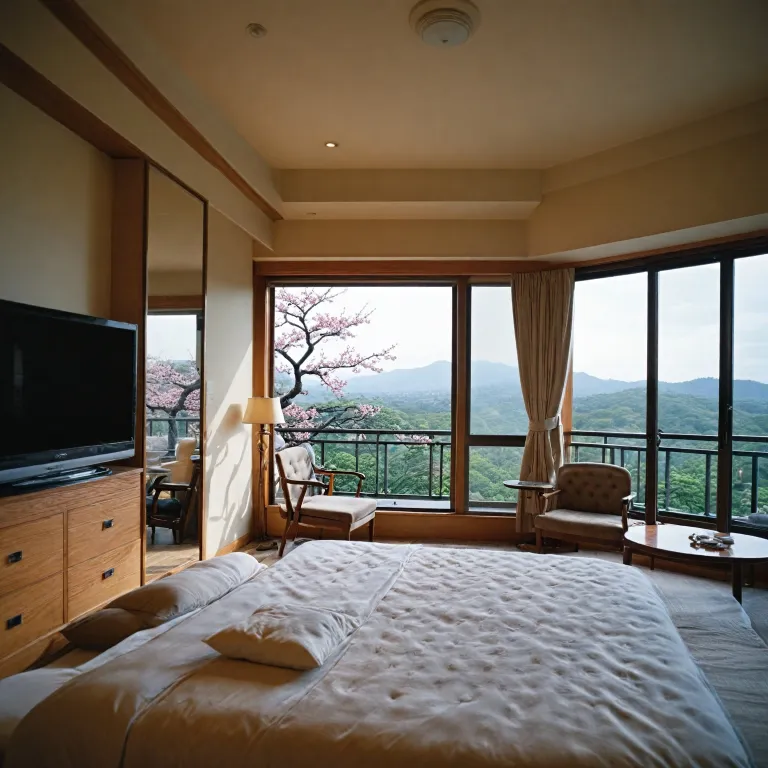
Understanding the landscape of luxury hotel comparison in Japan
Japan’s hospitality sector is renowned for its meticulous attention to detail, blending modern sophistication with deep-rooted traditions. When conducting a luxury hotel comparison in Japan, travelers encounter a diverse array of hotels and resorts, each offering unique experiences in cities like Tokyo, Kyoto, and Osaka. The best luxury hotels in Japan are celebrated for their refined guest rooms, exceptional service, and immersive Japanese aesthetics, making every night’s stay memorable.
Tokyo Japan stands at the forefront, with properties such as Andaz Tokyo Toranomon Hills and Park Hyatt Tokyo setting benchmarks in luxury. These hotels offer panoramic city views, spacious rooms, and curated amenities that cater to both leisure and business travelers. Kyoto Japan, with its tranquil ambiance, presents a different facet of luxury, where hotels integrate traditional Japanese design and serene gardens, ensuring a restful night book experience.
For those seeking to book hotels in Japan, platforms like Expedia and Expedia Pinterest provide comprehensive listings and reviews. The integration of AI and data analytics on these booking websites allows for a nuanced luxury hotel comparison in Japan, helping guests identify the best rooms, fine hotels, and exclusive hotel collections. Whether you are planning a short stay or an extended travel adventure, understanding the nuances of each hotel’s offerings is crucial for a fulfilling experience.
Key features and amenities in Japan’s luxury hotels
Luxury hotels in Japan distinguish themselves through a harmonious blend of Japanese tradition and contemporary comfort. Many properties, such as the Mandarin Oriental and The Peninsula Tokyo, offer guest rooms with tatami mats, deep wooden baths, and sweeping city vistas. Michelin-starred restaurants are a hallmark of the luxury hotel collection, with hotels like Bulgari Hotel Tokyo and Mandarin Oriental, Tokyo, providing world-class dining experiences.
Wellness is a central theme, with over 80% of luxury hotels in Tokyo featuring on-site spas and wellness centers. These facilities often include onsen-inspired baths, holistic treatments, and fitness studios, ensuring guests can rejuvenate after a day of travel or business meetings. The hotel collection in cities like Osaka and Kyoto also emphasizes cultural immersion, offering tea ceremonies, ikebana workshops, and seasonal culinary events.
When booking a luxury hotel in Japan, travelers should consider proximity to major attractions, exclusive amenities, and the availability of special packages. For those interested in maximizing value, platforms such as Expedia and Pinterest courtesy listings highlight seasonal offers and loyalty card benefits. For a detailed guide on maximizing your stay in Tokyo, refer to this comprehensive Tokyo hotel guide.
Comparing top luxury hotels: Tokyo, Kyoto, and Osaka
Tokyo’s skyline is adorned with iconic names like Park Hyatt Tokyo, Hyatt Tokyo, and the Tokyo Edition, each offering distinct atmospheres and guest experiences. Park Hyatt Tokyo, renowned for its cinematic legacy and recent renovation, features 171 guest rooms with panoramic views and exclusive access to fine dining. The Mandarin Oriental, Tokyo, located in the Nihonbashi Mitsui Tower, is celebrated for its three Michelin-starred restaurants and personalized guest services.
Kyoto Japan presents a more tranquil luxury, with hotels blending into the city’s historic landscape. Properties such as Setouchi Retreat Aonagi and Hoshinoya Tokyo (inspired by the ryokan tradition) offer serene guest rooms and immersive cultural experiences. Osaka’s luxury hotels focus on vibrant urban energy, providing spacious rooms, modern amenities, and easy access to the city’s entertainment districts.
For travelers comparing luxury hotels in Japan, it is essential to evaluate each property’s unique offerings, from the hotel collection’s design ethos to the quality of guest rooms and culinary options. For a curated selection of Japan’s best hotels and resorts, explore this luxury hotel collection resource. Additionally, using platforms like Expedia Pinterest and Book Expedia can streamline the booking process and provide valuable insights into guest reviews and ratings.
Booking strategies for the best luxury hotel experience
Securing the best rooms in Japan’s luxury hotels requires a strategic approach. Early booking is advisable, especially during peak travel seasons when demand for fine hotels and exclusive rooms surges. Utilizing loyalty programs and card benefits, such as those offered by the hotel collection and major booking platforms, can unlock upgrades, complimentary nights, and exclusive amenities.
Travelers should leverage online travel agencies like Expedia and Pinterest courtesy listings to compare rates, read recent guest reviews, and access special offers. “Review recent guest reviews for up-to-date insights on service quality.” This expert advice is particularly relevant for discerning travelers seeking the best value and service. Night book options, such as flexible check-in and late check-out, are increasingly popular among luxury hotels in Tokyo Japan and Kyoto Japan, catering to the needs of international guests.
For those seeking a tailored experience, consider contacting hotels directly to inquire about bespoke packages, private tours, or unique in-room amenities. The integration of AI-driven comparison tools on booking websites enhances the luxury hotel comparison in Japan, ensuring travelers can make informed decisions based on real-time data and personalized preferences.
Innovative trends shaping luxury hotel comparison in Japan
The luxury hotel sector in Japan is evolving rapidly, driven by innovation and a commitment to guest satisfaction. Hotels are increasingly integrating sustainable practices, from eco-friendly amenities to energy-efficient building designs. The emphasis on wellness extends beyond spas, with many hotels offering yoga studios, meditation spaces, and organic dining options as part of their hotel collection.
Personalization is another key trend, with AI and data analytics enabling hotels to anticipate guest needs and preferences. “Integration of traditional Japanese design with modern luxury” is a defining characteristic, as seen in properties like Andaz Tokyo Toranomon Hills and Bulgari Hotel Tokyo. These hotels blend Japanese aesthetics with international standards, creating a unique sense of place for every guest.
Collaboration with renowned chefs and local artisans enriches the guest experience, offering exclusive dining and cultural events. The rise of digital platforms such as Expedia Pinterest and Book Expedia has made it easier for travelers to compare luxury hotels, access guest reviews, and secure the best rooms. As the market continues to grow, travelers can expect even more innovative offerings from Japan’s leading hotels and resorts.
Expert insights: maximizing value and authenticity in your stay
Choosing the right luxury hotel in Japan involves more than comparing rates and amenities. “Ensure the hotel aligns with your cultural and aesthetic preferences.” This advice is particularly relevant in a country where design, service, and tradition are deeply intertwined. The best hotels in Japan offer immersive experiences, from private tea ceremonies to curated art collections, ensuring every night book is memorable.
“Check for unique amenities such as onsen (hot springs) or Michelin-starred restaurants.” Many luxury hotels in Tokyo, Kyoto, and Osaka feature exclusive wellness facilities and award-winning dining, elevating the guest experience. “Explore package deals or special offers for added value.” By leveraging these opportunities, travelers can enjoy enhanced services, complimentary upgrades, and personalized touches that define the luxury hotel collection in Japan.
For travelers seeking authenticity, properties like Hoshinoya Tokyo and Setouchi Retreat Aonagi provide a seamless blend of Japanese tradition and modern luxury. The availability of guest rooms with tatami mats, deep soaking tubs, and panoramic views ensures a restful and culturally rich stay. Whether booking through Expedia, Pinterest courtesy listings, or directly with the hotel, a thoughtful approach to luxury hotel comparison in Japan guarantees a rewarding travel experience.
Key statistics on luxury hotel comparison in Japan
- There are approximately 50 luxury hotels in Japan, offering a wide range of experiences and amenities.
- The average nightly rate for luxury hotels in Tokyo is around 500 USD, reflecting the premium quality and service provided.
- Over 80% of luxury hotels in Tokyo feature on-site spas, emphasizing wellness and relaxation for guests.
Frequently asked questions about luxury hotel comparison in Japan
What are the top luxury hotels in Tokyo?
Some of the top luxury hotels in Tokyo include Andaz Tokyo Toranomon Hills, The Peninsula Tokyo, Mandarin Oriental, Tokyo, Park Hyatt Tokyo, and Bulgari Hotel Tokyo.
Do luxury hotels in Japan offer traditional Japanese experiences?
Yes, many luxury hotels in Japan incorporate traditional Japanese elements such as tatami rooms, onsen baths, and kaiseki dining to provide an authentic cultural experience.
Which luxury hotels in Japan have Michelin-starred restaurants?
Hotels like The Peninsula Tokyo, Mandarin Oriental, Tokyo, and Bulgari Hotel Tokyo feature Michelin-starred restaurants offering exquisite dining experiences.