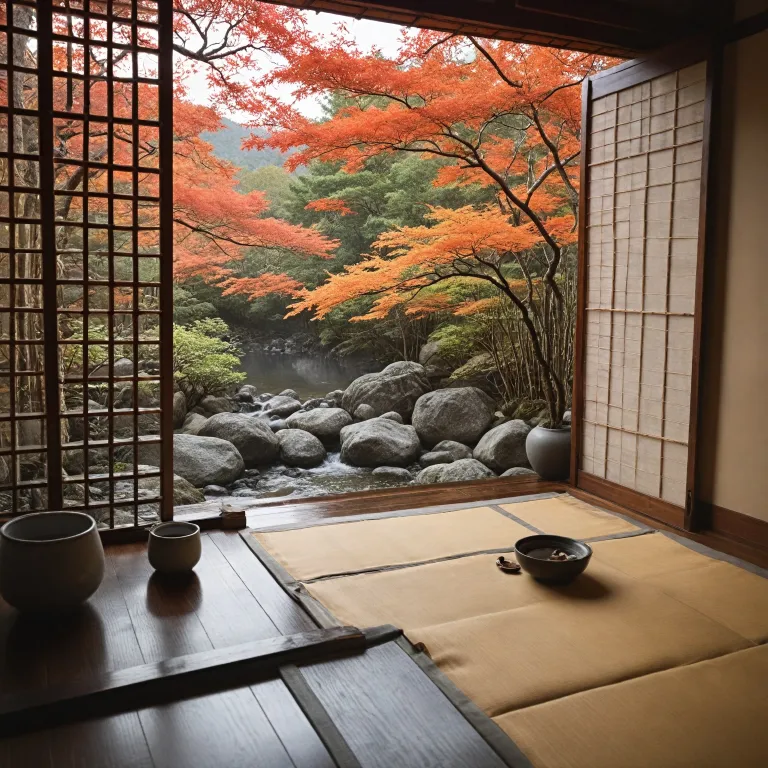
Why a Nikko ryokan in Japan belongs on your luxury shortlist
A stay at a Nikko ryokan in Japan offers refined calm for travelers who value culture. In a single journey you can pair forested mountains, ornate shrines, and steaming hot springs with polished service that anticipates what every guest needs. For many guests, this balance between nature and comfort makes Nikko one of the most compelling hot spring destinations in the country.
The city of Nikko in Tochigi sits where sacred sites meet deep cedar forests and clear rivers. From the ornate carvings of Nikko Toshogu to the tranquil waters near Kegon Falls, the setting elevates even a short stay into something quietly memorable. When you choose a ryokan Nikko property, you are also choosing proximity to these landmarks, often within a short minute walk or scenic drive.
Traditional ryokans Nikko wide are designed around the rhythm of the seasons and the soothing power of hot springs. Many ryokans feature tatami rooms, sliding shoji screens, and low tables that frame a garden view or a mountain panorama. This Japanese style layout encourages you to slow down, move barefoot, and appreciate the textures of wood, paper, and stone.
Modern luxury has not been forgotten in a Nikko ryokan in Japan, especially for international guests. Air conditioned rooms, free WiFi, and thoughtful amenities sit discreetly alongside calligraphy scrolls and seasonal flower arrangements. The result is a collection of ryokans where hot springs, attentive staff, and carefully prepared meals create a stay that feels both indulgent and deeply rooted in place.
Choosing the right Nikko ryokan near stations and heritage sites
Location shapes every stay at a Nikko ryokan in Japan, especially for first time visitors. Many travelers arrive via Tobu Nikko or JR lines, so staying near Nikko station or Tobu Nikko station can simplify transfers with luggage. A ryokan Nikko property within a short minute walk of the station is ideal if you plan frequent day trips or arrive late in the evening.
Other guests prefer ryokans Nikko offers closer to Nikko Toshogu and the surrounding temple complex. From these hotels and inns, you can stroll to the sacred precincts in the early morning, when the air is cool and the crowds are light. This proximity also makes it easier to visit the famous Shinkyo Bridge and return to your rooms for a restorative hot spring bath before dinner.
Some of the most atmospheric ryokans stand further into the mountains, near rivers and forests. Properties such as Sakahijiri Nikko and Honke Bankyu appeal to guests who want a stronger connection to nature and traditional architecture. These hotels often provide private parking, making them convenient for self drive itineraries that include Kegon Falls and Lake Chuzenji.
When comparing booking options, pay attention to room categories, onsen access, and transport details. Many Nikko popular properties offer air conditioned Japanese style rooms with either shared public baths or private hot spring facilities. For more ideas on how to align location with premium experiences across the country, you can review this guide to Tokyo luxury hotel booking and exclusive stays.
Understanding onsen etiquette and hot spring options in Nikko
Thermal waters sit at the heart of the Nikko ryokan in Japan experience, so understanding onsen etiquette is essential. Many ryokans Nikko hosts draw directly from natural hot springs, offering both indoor and open air baths with mountain or river views. These onsen Nikko facilities are usually separated by gender and follow long standing customs that help every guest feel comfortable.
Before entering any public bath or hot spring, you must wash thoroughly at the shower stations. Guests sit on small stools, use the provided soap and shampoo, and rinse completely so that the shared spring bath remains clean. Only after this step do you slip into the hot water, where quiet conversation and unhurried soaking are the norm.
Travelers who prefer more privacy can look for hotels that offer free private onsen sessions or rooms with attached spring bath facilities. Some luxury properties in the wider region, including Kai Nikko beside Lake Chuzenji, feature suites where you can enjoy an open air tub with a lake view. These options are particularly attractive for couples, families, or guests with tattoos who may feel uncertain about shared public spaces.
When reviewing booking details, check whether the onsen is natural, how many baths are available, and whether time slots must be reserved. Many Nikko popular ryokans provide clear information in English and highlight if free WiFi, private parking, and air conditioned rooms are included. For travelers planning a flexible itinerary, it is worth reading about exceptional last minute luxury hotel deals in Japan to understand how onsen access can vary by property.
Inside the rooms: Japanese style comfort and modern amenities
Stepping into the rooms of a Nikko ryokan in Japan feels like entering a carefully composed scene. Tatami flooring, sliding doors, and low tables create a Japanese style environment that encourages slow movement and mindful rest. During the day, the space feels open and bright, while at night staff lay out futons that transform the same rooms into serene sleeping areas.
Many ryokans Nikko offers pair this traditional layout with contemporary comforts that international guests expect. Air conditioned interiors, free WiFi, and well designed lighting allow you to work, read, or relax without sacrificing convenience. Some hotels also provide Western style beds in a few rooms, giving guests more options while still maintaining a strong sense of place.
Bathrooms vary widely between each ryokan Nikko property, so it is important to read booking descriptions carefully. In some hotels, you will find compact private bathrooms with a standard bath, while in others the focus is on shared hot spring facilities. Higher category rooms may feature an open air spring bath on a terrace, offering a private view of gardens, rivers, or distant peaks.
Storage, seating, and in room amenities are usually understated but thoughtful. Expect tea sets, yukata robes for visiting the onsen, and sometimes a small safe or minibar, all arranged with Japanese precision. If you are considering a more spa focused itinerary across the country, this guide to spa experiences for luxury hotel guests in Japan provides useful context on how Nikko popular properties compare with other regions.
Dining, seasonal experiences, and reading reviews with discernment
Cuisine is a highlight of any stay at a Nikko ryokan in Japan, particularly for travelers who value regional flavors. Many ryokans Nikko wide serve kaiseki style dinners that showcase river fish, mountain vegetables, and local sake in a carefully paced sequence. Breakfasts often feature grilled fish, rice, miso soup, and small side dishes that reflect Japanese style home cooking at its most refined.
Seasonality shapes both menus and activities, from spring cherry blossoms to autumn foliage around Kegon Falls and Lake Chuzenji. Some hotels arrange guided walks, cultural demonstrations, or shuttle services so guests can reach Nikko Toshogu and nearby viewpoints with ease. When planning your booking, check whether these experiences are included in the room rate or offered as optional extras.
Online reviews can be invaluable when comparing one ryokan Nikko property with another, but they require careful reading. Focus on comments about cleanliness, staff attentiveness, onsen temperature, and the quality of meals rather than isolated complaints. Pay attention to how management responds to guests, as thoughtful replies often signal a hotel that takes feedback seriously.
Remember that expectations differ between first time visitors and repeat guests familiar with Japanese customs. A Nikko popular property may receive mixed reviews from travelers who did not anticipate shared public baths or set meal times. By aligning your preferences with the style of each hotel, you can interpret reviews more accurately and choose a ryokan that genuinely suits your travel rhythm.
Practical booking strategies for luxury and premium ryokans in Nikko
Securing the right Nikko ryokan in Japan requires more than simply choosing attractive photos. Luxury and premium ryokans Nikko offers are limited in number, with around twenty establishments in the area, so early booking is strongly advised. This is especially true during spring cherry blossom season and autumn foliage, when demand for hot springs and scenic views peaks.
Average nightly rates for a high quality ryokan Nikko stay often sit around 40 000 JPY per person including meals. Prices vary according to room size, whether a private spring bath is included, and how close the hotel is to Nikko station or Tobu Nikko station. Properties near Nikko Toshogu or Kegon Falls may command a premium, particularly if they offer open air baths with a notable view.
When comparing options, look beyond headline rates to understand what is genuinely free and what carries an extra charge. Many Nikko popular properties include free WiFi, yukata robes, and access to public onsen facilities, while some also provide free private onsen slots or complimentary transfers from the station. If you are driving, confirm whether private parking is available and whether it is included in the room rate.
Finally, consider language support and cultural guidance, especially if this is your first stay in a traditional Japanese environment. While knowledge of Japanese can enhance the experience, many ryokans in Nikko have staff who can communicate in basic English. By combining careful research with realistic expectations, you can choose a hotel that turns the timeless appeal of hot springs into a stay that feels both effortless and deeply personal.
Key statistics for planning a Nikko ryokan stay
- Average nightly rate for ryokans in Nikko is approximately 40 000 JPY per person, typically including dinner and breakfast.
- There are around 20 traditional ryokans operating in the wider Nikko area, ranging from intimate riverside inns to larger hot spring hotels.
- Ryokans in Nikko welcome guests throughout the year, with peak demand during spring blossom and autumn foliage periods.
Essential questions about staying in a Nikko ryokan
What is a ryokan?
A ryokan is a traditional Japanese inn that typically features tatami-matted rooms, communal baths, and local cuisine. In Nikko, many of these hotels also provide access to natural hot springs and views of forests, rivers, or historic sites. Staying in such a property allows guests to experience Japanese style hospitality in a calm, immersive setting.
Are there ryokans in Nikko with private onsen?
Yes, some ryokans in Nikko offer rooms with private onsen facilities for guests seeking privacy. These may include indoor tubs fed by hot springs or open air baths on terraces with a garden or mountain view. When making your booking, look for room descriptions that mention private spring bath access or reserve by phone to confirm details.
Is it necessary to speak Japanese to stay at a ryokan in Nikko?
While knowledge of Japanese can enhance the experience, many ryokans in Nikko have staff who can communicate in basic English. Key information about meals, onsen etiquette, and check out times is often provided in written English as well. Learning a few simple phrases is appreciated, but it is not essential for a comfortable and respectful stay.