Plan where to stay in Kobe city with this guide to the best areas and hotels, including Sannomiya, waterfront districts and Arima Onsen, with walking times, price bands and practical tips.
Where to stay in Kobe city: best areas, hotels and practical tips
Why Kobe city is a smart choice for a hotel stay
Harbor lights on one side, mountain ridges on the other – Kobe Japan offers a compact, elegant setting where you can settle in and explore without wasting time in transit. For most travelers, booking a hotel in central Kobe city, especially around Sannomiya in Chuo Ward, is the most strategic choice. You are a short walk from key train and subway lines, with direct links to Osaka, Kyoto and the shinkansen at Shin-Kobe.
Compared with larger Japanese cities, accommodation in Kobe feels calmer, with fewer crowds in the lobby and a more measured pace at the front desk. Guests who value a smooth, quiet arrival after a long night flight tend to appreciate this. The city’s scale also means that even a star property on the waterfront or in the hills rarely feels isolated; taxis and local trains keep most areas within a 10 to 20 minute ride of Sannomiya.
For a first stay, choosing a hotel on the Kobe city side in Chuo Ward or near Kobe Motomachi Station gives you immediate access to the port, Nankinmachi (the compact Chinatown), and the shopping arcades that run under the tracks. Travelers who plan a day trip to Arima Onsen in the mountains can still base themselves in the city and reach the hot spring area in under an hour. That balance – urban comfort with easy onsen access – is what makes Kobe hotels a good option for many itineraries in Japan.
Understanding Kobe’s main hotel areas
On the ground, Kobe Sannomiya is the city’s true hub. This is where you find the densest cluster of Kobe hotels, from understated business-style properties to larger star hotels with bay or city views. Around Sannomiya Station, for example, you will see mid-range options like Hotel Monte Hermana Kobe Amalie and ANA Crowne Plaza Kobe alongside budget-friendly business hotels, all within roughly a 3 to 8 minute walk of the main ticket gates. The area around the east and west exits of Sannomiya Station is busy but manageable, with compact streets like Ikuta Road lined with cafés, bars and small restaurants that stay open late enough for a relaxed post-dinner walk.
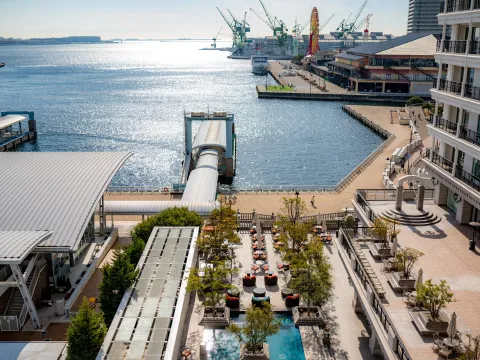
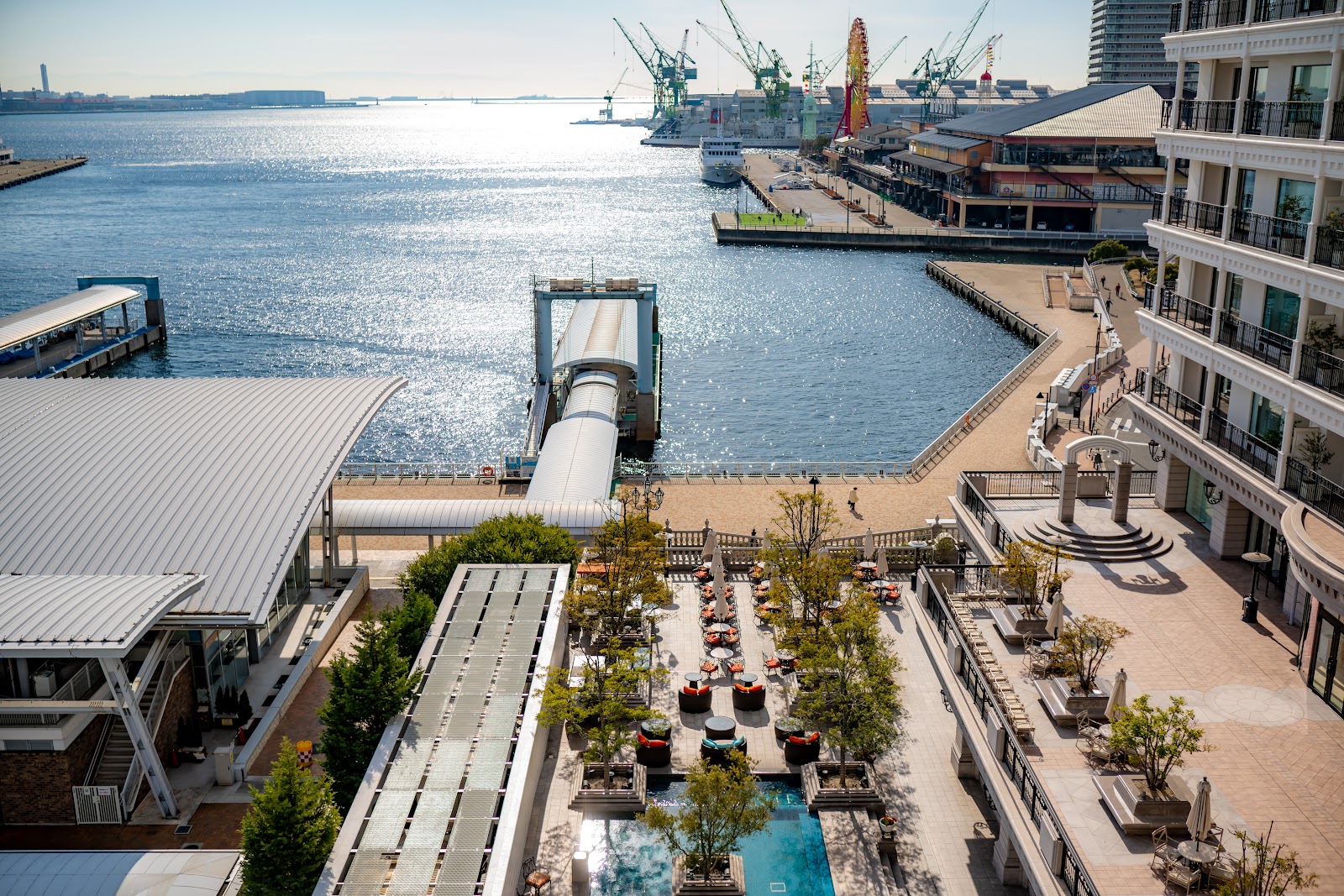
Shift slightly south and you reach the waterfront districts in Chuo Kobe, facing the harbor and the illuminated port tower. Here, the atmosphere changes; nights are quieter, the air feels fresher, and many rooms look out over the bay rather than the railway lines. Popular harborfront choices such as Kobe Meriken Park Oriental Hotel or Hotel Okura Kobe typically sit in the mid to upper price brackets and are about 12 to 18 minutes on foot or a short Port Liner ride from Sannomiya. This location suits guests who prioritize a sense of retreat and do not mind a 10 to 15 minute walk or a short Port Liner ride back to Sannomiya for shopping and dining.
To the west, around Kobe Motomachi and the old foreign settlement, the streets narrow and the architecture becomes more European in feel. Hotels in this part of Chuo Ward tend to attract travelers who like to explore on foot, dipping into small galleries, bakeries and fashion boutiques between the station and the waterfront. Properties such as Kobe Motomachi Tokyu REI Hotel or boutique-style accommodations near the former foreign settlement usually fall into the mid-range price band and sit within about a 5 to 10 minute walk of Motomachi Station. If you plan to spend your stay wandering rather than commuting, this location can be more rewarding than a purely station-front address.
Best hotels in Kobe city: ranked list with key details
To match different travel styles and budgets, here is a concise ranked selection of notable Kobe city hotels, focusing on access, room size, and distinctive features. Walking times are approximate and based on typical routes from major stations.
- 1. Kobe Meriken Park Oriental Hotel (waterfront)
Price band: upper mid-range to high (often from around ¥18,000–¥35,000 per night for two, depending on season and room type).
Typical room size: many standard rooms around 24–30 m², with larger corner rooms and suites available.
Nearest station: about 15–18 minutes on foot from Sannomiya Station or roughly 10 minutes by Port Liner to Minato Motomachi area plus a short walk.
USP: Almost all rooms have balconies facing Kobe Harbor, with sweeping bay views and night illuminations.
Pros: Resort-like feel, spacious public areas, easy access to Meriken Park and waterfront promenades.
Cons: Less convenient for very early trains; you will usually rely on the Port Liner or a longer walk back to central Sannomiya.
- 2. Hotel Okura Kobe (harborfront classic)
Price band: mid-range to high (roughly ¥16,000–¥30,000 per night for two, with club floors higher).
Typical room size: standard rooms often around 23–28 m², with larger deluxe categories and suites on upper floors.
Nearest station: approximately 10–15 minutes on foot from Motomachi Station; shuttle services may operate at certain times.
USP: Long-established luxury-style property with refined service and panoramic views of both the bay and city skyline.
Pros: Quiet setting near the former foreign settlement, generous breakfast options, reliable service standards.
Cons: Not directly next to a major station; evening walks back from central Sannomiya take a little longer.
- 3. ANA Crowne Plaza Kobe (Shin-Kobe area)
Price band: solid mid-range to upper mid-range (often around ¥14,000–¥28,000 per night for two).
Typical room size: many categories around 22–30 m², with club rooms and suites offering more space and better views.
Nearest station: directly connected to Shin-Kobe Station (shinkansen and subway), usually under 3 minutes from ticket gates to lobby via indoor passages.
USP: Excellent for travelers using the shinkansen, with quick subway access to Sannomiya in about 2 minutes.
Pros: Mountain and city views, convenient for early or late bullet trains, multiple on-site dining options.
Cons: Slightly removed from the main Sannomiya nightlife; you will likely take the subway for most downtown outings.
- 4. Hotel Monte Hermana Kobe Amalie (Sannomiya north side)
Price band: mid-range (often around ¥9,000–¥18,000 per night for two, depending on season and promotions).
Typical room size: compact but efficient, commonly around 17–22 m² for standard doubles and twins.
Nearest station: roughly 5–7 minutes on foot from Sannomiya Station, using the north exit toward Ikuta Shrine and Kitano-cho.
USP: Comfortable city hotel near Kitano-cho, balancing quiet streets with quick access to central transport lines.
Pros: Walkable to both Sannomiya and the hillside Western-style houses, good choice for short city breaks.
Cons: Rooms are not large by international standards; better suited to travelers who pack light.
- 5. Kobe Motomachi Tokyu REI Hotel (Motomachi and Nankinmachi)
Price band: lower mid-range to mid-range (often around ¥8,000–¥16,000 per night for two).
Typical room size: many rooms around 15–20 m², with some slightly larger twin or corner layouts.
Nearest station: about 2–5 minutes on foot from Motomachi Station, close to Nankinmachi and shopping arcades.
USP: Handy base for exploring Chinatown, the old foreign settlement, and the harbor on foot.
Pros: Very central for food and casual shopping, easy walk to the waterfront and to Sannomiya in roughly 10–15 minutes.
Cons: Area can feel busy at peak dining times; compact rooms may feel tight for longer stays or large suitcases.
- 6. Mid-range business hotels near Sannomiya Station
Price band: budget to lower mid-range (often around ¥6,000–¥12,000 per night for one or two guests).
Typical room size: standard singles and doubles commonly around 12–18 m², with efficient layouts and limited storage.
Nearest station: many properties sit within a 3–8 minute walk of Sannomiya Station, either on the north or south side of the tracks.
USP: Practical choice for travelers who prioritize location and price over extensive facilities.
Pros: Excellent rail access for day trips to Osaka, Kyoto and Himeji, plenty of nearby convenience stores and cafés.
Cons: Minimal public spaces, smaller bathrooms, and fewer leisure facilities compared with larger waterfront hotels.
- 7. Boutique-style hotels near the former foreign settlement
Price band: mid-range (often around ¥10,000–¥20,000 per night for two, depending on design and room category).
Typical room size: varies, but many rooms fall in the 18–25 m² range, sometimes with higher ceilings or distinctive décor.
Nearest station: usually 5–10 minutes on foot from Motomachi Station and around 10–15 minutes from Sannomiya Station.
USP: More individual character, with interiors that echo the European-influenced history of central Kobe.
Pros: Pleasant streets for evening walks, easy access to both the harborfront and central shopping streets.
Cons: Fewer standardized room types; layouts and views can differ significantly even within the same category.
- 8. Ryokan and onsen-style stays in Arima Onsen
Price band: mid-range to high (often from around ¥20,000–¥45,000 per person including dinner and breakfast, depending on season and room type).
Typical room size: traditional tatami rooms often around 20–35 m², sometimes with private open-air baths or separate seating areas.
Nearest station: most properties are 5–15 minutes on foot or a short shuttle ride from Arima Onsen Station on the Kobe Electric Railway or ropeway terminals.
USP: Access to mineral-rich hot springs, kaiseki-style dinners, and classic ryokan hospitality in the mountains north of Kobe city.
Pros: Ideal for slow travel, bathing and traditional cuisine, memorable contrast to a modern city hotel stay.
Cons: Less convenient for early-morning trains or late-night dining; transfers from Sannomiya typically take 30–60 minutes.
What to expect from rooms, service and facilities
Rooms in a typical Kobe hotel follow the broader pattern in Japan: compact but carefully organized, with air conditioned comfort and thoughtful amenities. In the more premium properties, you can expect larger room categories with seating areas, bay or mountain views, and bathrooms that feel closer to a small spa than a simple washroom. The best hotels in Kobe city Japan often balance international standards with local touches, such as Japanese tea sets or deep soaking tubs. When browsing photos, look for clear images of the bed area, desk and bathroom rather than only lobby shots, and check captions or image alt text for clues about room size and view type.
Service leans toward discreet efficiency. A 24-hour front desk is standard in the upper tier, which matters if you arrive on a late train or leave before dawn. Staff are generally quick to help guests with luggage, restaurant suggestions, or directions to nearby stations like Sannomiya or Kobe Motomachi, and you will usually find at least one English speaker on duty each hour. The tone is professional rather than overly familiar, which many international travelers find reassuring.
Facilities vary more. Some properties focus on calm rooms and a good breakfast, while others add pools, fitness areas, or spa floors. If you plan to work during your stay, check that your room category includes reliable internet access and a proper desk, as not every hotel in Chuo Ward is designed with long laptop sessions in mind. For travelers who value wellness, it is worth verifying whether there is an on-site bath area or easy access to a nearby sento, especially in cooler months. In and around Kobe, a few hotels with onsen access or larger communal baths can be found closer to the mountains or in Arima, which may appeal if soaking is a priority.
How to choose the right area: Sannomiya, waterfront, or Arima Onsen
Choosing between Sannomiya, the harborfront, and Arima Onsen is less about which area is “best” and more about how you travel. Sannomiya suits guests who want to step out of the lobby and be in the middle of Kobe Japan within seconds. You trade a little noise and denser streets for unbeatable transport connections and a wide choice of dining within a five minute walk of most hotels. For many visitors, this is the most convenient base for day trips across Kansai.
The harborfront in Chuo Ward works better if you see your hotel as a place to linger. Nights are quieter, the air feels more open, and many rooms look out over the water rather than neighboring buildings. This is a good choice for couples or solo travelers who value a sense of space and are happy to plan their evenings around a short ride back from Sannomiya or Kobe Motomachi after dinner. Expect walking times of roughly 10 to 20 minutes between most waterfront hotels and the main downtown stations, depending on the exact address.
Arima Onsen, in contrast, is a separate world in the mountains north of the city. Staying there means trading instant urban access for hot spring rituals, traditional multi-course dinners, and slower mornings. Well-known ryokan such as Arima Grand Hotel or Gekkoen typically fall into the mid to high price range and often include dinner and breakfast in the room rate. Many travelers choose a split stay: a few nights in a Kobe city hotel for shopping and dining, then one night in Arima Onsen to soak in the mineral-rich baths before continuing their journey through Japan. If you follow that pattern, check train or bus times carefully so the transfer, usually around 30 to 60 minutes from Sannomiya depending on route, fits smoothly into your day.
Reading hotel reviews and what to verify before booking
Online reviews for hotels in Kobe can be useful, but they need context. When you see excellent reviews for a property near Sannomiya, read closely to understand whether guests are praising the location, the staff, or the room size. A hotel with consistently good reviews for its équipe at the front desk may be a better choice than a slightly newer building where comments focus only on décor. Pay attention to how guests describe noise levels and the feel of the neighborhood at night, especially if you are choosing between a station-front business hotel and a quieter side-street property.
Before you commit to a stay, verify a few concrete points. Check whether the room you are booking is fully air conditioned, not just the building in general, especially if you are visiting in summer. Confirm the approximate walking time to the nearest major station – “close to Sannomiya” can mean anything from a three minute walk along a flat street to a 12 minute walk with a steep slope. If you plan to rely on digital tools, make sure your rate includes access to stable internet access rather than assuming it is always free.
It is also worth looking beyond the headline star rating. Some older properties in Chuo Ward may show slightly dated interiors but still deliver excellent reviews for cleanliness and service, which often matters more over a multi-night stay. Finally, if you are sensitive to cigarette smoke, check whether the hotel offers entirely non-smoking floors, as some Japanese properties still allow smoking rooms even when public areas are smoke free. When in doubt, send a brief message to the hotel before booking to confirm details such as bed type, breakfast availability and smoking policy.
Practical tips for a smooth Kobe hotel stay
Arrival logistics in Kobe are straightforward if you plan ahead. From Shin-Kobe Station, many travelers take the subway one stop to Sannomiya and then walk to their hotel; in Chuo Ward, most properties are within a 5 to 12 minute walk of at least one major station. If you are arriving late at night, consider a hotel closer to Sannomiya or Kobe Motomachi rather than the outer edges of the port area, simply to shorten the final leg with luggage.
Room layouts in Japan can surprise first-time visitors. Beds may be closer to the floor, and storage is often vertical rather than horizontal. Unpack only what you need for a night or two and keep the rest in your suitcase to make the most of the space. If you are traveling as a couple or family, check the exact room size in square metres rather than relying on generic labels like “double” or “twin”, as these can vary widely between hotels Kobe offers. For visual planners, hotel gallery photos and their image alt text can help you understand how your luggage will fit in relation to the bed, desk and doorway.
For day trips, Kobe is well placed. You can spend the morning exploring the slopes above Kitano-cho, with its preserved Western-style houses, then return to your room for a short rest before heading out again to the harbor or to Arima Onsen. When comparing options, think about how often you will return to the hotel during the day; if you expect to come back between activities, a central location near Sannomiya or Motomachi will feel more convenient than a more remote but scenic address. Travelers who prioritize easy rail access to Osaka, Kyoto or Himeji often find that hotels near Sannomiya Station or Kobe Station offer the best balance between comfort and quick connections.
Best area to stay in Kobe city for first-time visitors
For a first visit, the best area to stay in Kobe city is around Sannomiya in Chuo Ward, where you have the main train and subway lines, dense dining options, and easy access to both the harbor and the Kitano-cho hillside. This location minimizes transfer time from airports and shinkansen trains, and most hotels here are within a short walk of at least one major station. You can still reach Arima Onsen or neighboring cities like Osaka and Kyoto in under an hour, making Sannomiya a practical base for wider exploration.
Is Kobe a good base for exploring Kansai?
Kobe is a good base for travelers who prefer a slightly calmer city while still having fast rail access to Osaka, Kyoto and Himeji. From Sannomiya and nearby stations, frequent trains connect you to Osaka in around 25 minutes and Kyoto in under an hour, which makes day trips realistic. The city itself offers enough dining, shopping and waterfront walks to fill several days, so you are not using it only as a bedroom community.
How many nights should I stay in Kobe?
A stay of two to three nights in Kobe city works well for most itineraries in Japan. Two nights allow you to explore the harbor, Kitano-cho and central shopping areas at a relaxed pace, while three nights give you time for a half-day or full-day excursion to Arima Onsen or nearby sake breweries in the wider region. If you plan multiple day trips to other Kansai cities, you may want to extend to four nights to avoid constant packing and unpacking.
Is it better to stay in Kobe city or Arima Onsen?
Staying in Kobe city is better if you want easy access to trains, restaurants and shopping, while Arima Onsen excels at slow, hot spring-focused stays with traditional meals and quieter evenings. Many travelers choose to combine both, using a Kobe hotel in Chuo Ward as a base for urban exploration and then adding one night in Arima Onsen for bathing and relaxation. If you must choose only one, consider whether you value convenience and variety (Kobe) or immersion in onsen culture (Arima).
Do Kobe hotels usually include breakfast?
Many mid-range and premium hotels in Kobe offer breakfast either as part of a package or as an optional add-on, but it is not universal. Some properties in Chuo Ward focus on room-only stays, especially near stations where cafés and convenience stores open early. When booking, check whether your chosen rate includes breakfast and what style is served, as options range from simple Japanese and Western buffets to more elaborate set menus.