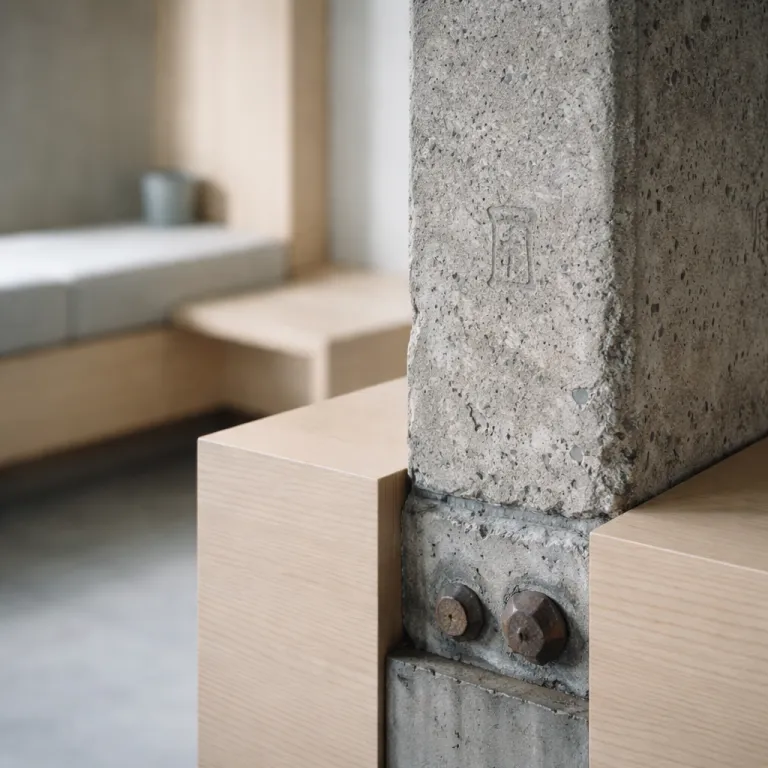
Why adaptive reuse hotels in Japan now feel more luxurious than new builds
Luxury travelers booking a hotel in Japan today are no longer satisfied with glossy towers that could sit in any global city. They are gravitating toward adaptive reuse hotels in Japan, where a historic property, a former school or even a prison has been carefully designed into a place to sleep, bathe and linger. This shift is structural rather than cosmetic, driven by land scarcity, strict regulation and a generation of guests who read pastiche as quickly as they read a wine list.
When you walk into a former bank like K5 Hotel in Tokyo, or a Meiji era inn reborn as Hotel Jin Tsushima, you feel the weight of time in every stair and window. These converted heritage hotels are not trading on nostalgia alone; they are using impact driven design to solve complex urban constraints while giving guests a richer sense of place. In a market where new hotel Tokyo openings can blur together, the most interesting luxury brands are now competing to secure the right cultural property rather than the tallest plot of land.
Industry commentary backs this up, with an estimated 50 adaptive reuse hotels in Japan already operating across the country (industry estimates, current decade; see Japan National Tourism Organization and hospitality consultancy briefings). Average occupancy for these properties is often reported around 75 percent, a strong report card that reflects both demand and rate resilience (hospitality benchmarking reports and media summaries, current decade). For travelers planning on Japan time from Singapore, Europe or the United States, that means booking early if you want the most characterful space rather than the last remaining standard room.
Adaptive reuse in hospitality simply means transforming an existing building into a hotel while preserving its architectural bones. In Japan that can mean a seaside warehouse in Onomichi, a former hospital in Hiroshima or a 92 year old residence near Tokyo, all designed to meet contemporary expectations of comfort. The result is a network of repurposed hotels across Japan that feel deeply local yet operate with the precision of a well run urban resort.
There are trade offs. Heritage shells limit how many keys you can add, how large a spa can be, how discreetly you can hide service corridors and kitchens. Yet for many guests, especially solo explorers who value atmosphere over scale, those constraints are exactly what make an adaptive reuse property feel more human and more Japanese.
Imperial Hotel Kyoto and the rise of heritage first luxury
The clearest signal that adaptive reuse hotels in Japan now sit at the top of the market is the Imperial Hotel Kyoto project in Gion. Rather than commissioning another glass tower, the Imperial Hotel group chose to install its Kyoto hotel inside the Yasaka Kaikan, a protected cultural property with a storied past. The restoration reportedly cost 12.4 billion yen and retained 16,387 original exterior tiles, using traditional ikedori techniques to dismantle and reassemble parts of the façade with surgical care (Imperial Hotel Kyoto project communications and architectural reporting, current decade).
This is not a marketing gesture; it is a statement that the most credible luxury in Kyoto now comes from working with history, not against it. When this Kyoto address welcomes guests, they will be stepping into a building whose public space has hosted generations of local performances and gatherings. The design team has layered natural materials, soft lighting and contemporary art onto that existing narrative, creating a hotel Kyoto travelers will book as much for its story as for its room size.
Imperial Hotel Kyoto is not alone. Across Japan, adaptive reuse projects such as Marufukuro in Kyoto, housed in the former Nintendo headquarters, or Hotel Kanra Kyoto in a repurposed school, show how carefully designed corridors and courtyards can frame a view of tiled roofs or a pocket of nature in the middle of the city (company and media reporting, current decade). These properties prove that when a hotel is designed around an existing shell, every irregular angle becomes an opportunity for impact focused design rather than a problem to be erased.
For travelers comparing options, the difference between a new build resort and a heritage property is tangible. In many recent Kyoto hotel projects, you will find efficient layouts but little sense of where in Japan you actually are once the shoji screens close. In contrast, a stay inside a cultural property like Yasaka Kaikan or a former bank in Tokyo means guests enjoy textures, proportions and sounds that could only have been shaped by Japanese craftsmen over decades.
This is why new build resorts in Kyoto now feel thin beside the likes of Imperial Hotel Kyoto or Marufukuro. The former may offer larger spas or more uniform suites, but the latter offer a kind of narrative density that no amount of marble can replicate, and that is what discerning guests are increasingly willing to pay for.
From Nara prison to net zero Kyoto: adaptive reuse as Japan’s new luxury language
If Imperial Hotel Kyoto represents heritage at its most polished, Hoshino Resorts is pushing adaptive reuse hotels in Japan into more radical territory. The group’s Hoshinoya Nara Prison project will turn the former Nara Prison into 48 suites, transforming a Meiji era correctional facility into a high end retreat (Hoshino Resorts and media reporting, current decade). Here, adaptive reuse is not just about preserving a façade; it is about rewriting the emotional script of a space that once confined people and now invites guests to slow down.
The red brick Nara Prison complex, designated as an important cultural property, sits slightly apart from the city yet close enough that guests can move between quiet courtyards and the urban fabric of Nara within minutes (official cultural property listings, current decade). Hoshino Resorts has designed the hotel so that each suite engages with the original structure, whether through vaulted ceilings, brick arches or framed views of the central yard. For guests, the appeal lies in sleeping inside a piece of Japanese legal and architectural history while enjoying the soft edges of contemporary hospitality.
Hoshinoya Nara is part of a broader wave of adaptive reuse hotels in Japan that treat unusual typologies as opportunities. In Hiroshima, Hotel Kiro Hiroshima occupies a former hospital, its clean lines and generous windows now reinterpreted as calming guest rooms and communal lounges. On the Seto Inland Sea, ONOMICHI U2 converts a warehouse into a hybrid hotel and cycling hub, where guests enjoy a direct view of the water and easy access to nature without leaving an urban setting.
Kyoto is also seeing more technical innovation, with properties like Cross Hotel Kyoto undergoing deep energy retrofits that bring older structures close to net zero performance (architectural and sustainability reporting, current decade). These projects show how impact minded design can reduce operational emissions while preserving the grain of the city, a balance that new towers often miss. For travelers who care about sustainability but dislike greenwashing, adaptive reuse hotels in Japan offer a more credible path, because the biggest carbon saving is embedded in the decision not to build from scratch.
Even wellness focused brands are leaning into this language. A hot spring retreat such as Kai Kusatsu, part of the Kai portfolio, may not always occupy a single historic shell, but it often integrates existing ryokan wings and uses natural materials to echo the town’s onsen heritage. Whether you are soaking in a hot spring in Kusatsu or checking into a former bank in Tokyo, the through line is clear: the most interesting Japanese luxury today is designed around what was already there.
How to book adaptive reuse luxury in Japan without falling for façades
As adaptive reuse hotels in Japan move from niche to mainstream, not every project lives up to the promise. Some new developments keep only a token façade or a single gate, then build a generic tower behind it and market the result as heritage luxury. For travelers, the challenge is learning to read between the lines of a hotel report or website before committing precious Japan time and budget.
Start by asking how much of the original property remains and how it shapes your stay. If the hotel is described as being in a former prison, bank or school, look for floor plans or photography that show real structural elements inside guest rooms and public space, not just in the lobby. When a project like Hoshinoya Nara or K5 Hotel talks about its history, you will see brick walls, vault doors or classroom beams integrated into the design rather than hidden behind drywall.
Next, pay attention to how the hotel connects you to its city and landscape. Adaptive reuse hotels in Japan work best when they frame a view of tiled roofs in Kyoto, a canal in Tokyo or a garden in Nara, rather than sealing you off from the street. If you care about onsen culture, compare a purpose built resort with a place like Kai Kusatsu, where the hot spring experience is layered onto an existing townscape and long established bathing rituals.
Be wary of projects that lean heavily on the word heritage but show only generic interiors that could belong to any luxury brand’s portfolio from Singapore to São Paulo. True adaptive reuse hotels in Japan will talk about specific materials, craftspeople and constraints, such as retaining thousands of tiles at Imperial Hotel Kyoto or working within the strict protections on a cultural property. When you read that “New hotel openings in Japan are leaning into identity, whether that means heritage buildings in Kyoto, adaptive reuse in Nara or refined wellness stays built around onsen culture”, treat it as an invitation to ask which side of that spectrum a given hotel really sits on.
Finally, cross check your instincts with independent voices. Platforms like myjapanstay.com, where we also cover elegant stays at a Nikko ryokan in Japan for discerning travelers, can help you separate genuine adaptive reuse from clever storytelling. As you plan nights in a hotel Tokyo tower, a hotel Kyoto heritage conversion and perhaps a rural hot spring inn, you will quickly feel how different it is when guests enjoy spaces that have been genuinely designed around history rather than draped in it.
Key figures shaping adaptive reuse luxury in Japan
- Japan now counts an estimated 50 adaptive reuse hotels, from former banks in Tokyo to renovated inns in regional towns, reflecting a nationwide shift toward reusing existing structures (industry estimates, Japan National Tourism Organization commentary and hospitality consultancy data, current decade).
- The average occupancy rate for adaptive reuse hotels in Japan is around 75 percent, indicating strong and sustained demand for heritage based stays compared with many conventional urban properties (hospitality industry reports, benchmarking studies and media coverage, current decade).
- The Imperial Hotel Kyoto restoration of Yasaka Kaikan required 12.4 billion yen of investment and preserved 16,387 original exterior tiles, a scale of work that underlines how seriously major brands now treat cultural property in their luxury pipelines (Imperial Hotel announcements, project documentation and architectural media, current decade).
For deeper context on adaptive reuse and Japanese hospitality, consult sources such as the Japan National Tourism Organization, the official communications of Imperial Hotel and Hoshino Resorts, and coverage from outlets including Euronews Travel and specialist architectural media.