Staying at ryokans in Ginzan Onsen for refined Japanese hospitality
Ryokans in Ginzan Onsen offer a serene retreat where traditional Japanese hospitality feels effortless. In this historic onsen town in Obanazawa, within Yamagata Prefecture, the wooden facades along the Ginzan river create a cinematic atmosphere that appeals to people seeking calm and authenticity. With around ten Ginzan Onsen ryokans available, advance reservation is essential because guest rooms are limited and highly requested.
Each guest room is usually a tatami based Japanese style room, where sliding doors, low tables, and futon bedding define the aesthetic. Many rooms face the Ginzan river or the narrow streets of the spring town, giving a romantic view when the gas lamps glow at night and snow or fireflies frame the scene. Some ryokans in Ginzan Onsen blend this classic Japanese style with discreet modern comforts, such as underfloor heating, Wi Fi, and ensuite toilets.
The standard stay includes one night with breakfast and kaiseki meal dinner, which showcases seasonal food from Yamagata Prefecture. A typical kaiseki meal might feature river fish, local vegetables, and Yamagata beef, all plated in refined Japanese style that highlights color and texture. Because dinner and breakfast times are fixed within specific hours day, you will want to confirm your arrival time when you complete your reservation.
Price per person often starts around 30 000 JPY per night, reflecting the inclusion of meals and access to hot springs. This price person structure can feel different from Western hotels, but it simplifies budgeting for people planning a special stay. For luxury and premium travelers, the value lies in the immersive atmosphere, attentive staff, and the rare chance to sleep in a historic hot spring town like Ginzan.
Hot spring experiences and private baths in Ginzan Onsen ryokans
The heart of ryokans in Ginzan Onsen is the hot spring culture that shapes every stay. Natural hot springs feed the communal baths, where mineral rich water flows continuously and creates a deeply relaxing experience. Many Ginzan Onsen ryokans offer both indoor and outdoor baths, allowing guests to enjoy the changing seasons of Yamagata Prefecture while soaking.
For travelers who value privacy, a room private onsen or a private bath slot can transform the stay into a more intimate retreat. Many offer private onsen baths; confirm during booking. Some ryokans in Ginzan Onsen design a style room with an attached private hot spring tub on the balcony, so guest rooms face the river or forest while steam rises into the cool air. These private hot baths are especially appealing for couples, families, or people with tattoos who prefer not to use shared baths.
Communal baths usually separate men and women, and etiquette is important in every guest room and shared space. You will wash thoroughly before entering the hot bath, tie up long hair, and avoid bringing towels into the water. Because hours day for baths can vary between ryokans in Ginzan Onsen, checking the schedule at check in helps you plan your evening and morning routines.
Travelers who have already enjoyed authentic Japanese hospitality in other regions, such as a traditional stay in a Takayama ryokan, often find Ginzan Onsen a natural next step. The combination of hot springs, Japanese style rooms, and carefully prepared dinner makes each night feel curated rather than standardized. For luxury and premium guests, the ability to choose between communal baths and a fully private bath experience is a key factor when comparing ryokans in Ginzan Onsen.
Planning your journey to Ginzan Onsen and navigating reservations
Accessing ryokans in Ginzan Onsen requires a little planning, which adds to the sense of escape. Most people travel by train to Oishida Station in Yamagata Prefecture, then continue by bus or taxi to the onsen town. The journey from Oishida Station to Ginzan Onsen takes less than an hour, but winter weather can extend travel time, so you will want to allow some flexibility.
Because there are only about ten Ginzan Onsen ryokans, reservation options can fill quickly during peak seasons. Online booking platforms, official websites, and travel agencies all handle reservations, but some luxury and premium ryokans still prefer direct email or phone contact. When you book, confirm whether your guest room includes a private bath, whether dinner is a full kaiseki meal, and whether any rooms face the Ginzan river or inner courtyard.
For travelers who care about sustainability, it can be helpful to compare Ginzan Onsen ryokans with other properties that emphasize responsible luxury. Reading about luxury eco friendly hotels in Japan provides context on how hot spring properties manage resources and protect their surroundings. Some ryokans in Ginzan Onsen already balance traditional wooden architecture with modern insulation and efficient heating, which keeps guest rooms comfortable while reducing energy use.
When evaluating price person, remember that the rate usually covers one night, breakfast, and dinner, plus access to hot springs. If you are comparing different ryokans in Ginzan Onsen, look at whether the style room category includes a room private onsen, a larger guest room, or a better view. Clear communication before arrival will ensure that your expectations around food, baths, and Japanese style service align with what each property offers.
Choosing the right room type and understanding Japanese style comfort
Selecting the ideal guest room in ryokans in Ginzan Onsen is central to a satisfying stay. Many properties categorize rooms by size, view, and whether a private hot spring bath is included. A standard Japanese style room may be compact yet refined, while premium rooms face the Ginzan river or feature an open air tub on a terrace.
In a traditional Japanese style room, futon bedding is laid out each night on tatami mats, then stored away during the day. This allows the same guest room to function as a living space for tea, reading, or quiet conversation, which many people find surprisingly comfortable. If you prefer Western beds, some ryokans in Ginzan Onsen offer hybrid style rooms that combine low beds with tatami areas, so you will not need to compromise on sleep quality.
Bathrooms also vary, from shared hot baths to ensuite units and fully private onsen facilities. A room private bath can be a simple deep tub fed by hot springs or a more elaborate open air design with a partial roof and river view. When you make a reservation, ask whether the private bath uses true hot spring water, how many hours day it can be used, and whether the water temperature is adjustable.
For luxury and premium travelers, the layout of guest rooms and the presence of a private hot bath often matter more than room size alone. People who value quiet may choose upper floor rooms face the mountains rather than the main street of the spring town. By aligning your expectations with the specific style room categories, you will enjoy the full charm of ryokans in Ginzan Onsen without surprises.
Culinary experiences, kaiseki dinners, and seasonal food in Ginzan Onsen
Dining is a highlight of ryokans in Ginzan Onsen, where dinner becomes a carefully choreographed experience. Most stays include a multi course kaiseki meal that reflects the seasons of Yamagata Prefecture and the surrounding mountains. Served either in a private style room or a dedicated dining hall, this dinner showcases the chef’s interpretation of local food traditions.
A typical kaiseki meal might begin with delicate appetizers, followed by sashimi, grilled river fish, simmered vegetables, and a hot pot featuring regional ingredients. Many people appreciate how each course is presented on handcrafted tableware that matches the Japanese style of the guest room. Rice, soup, and pickles complete the meal, while dessert often highlights fruit from Yamagata, which is famous for cherries and pears.
Breakfast in ryokans in Ginzan Onsen usually follows a Japanese style as well, with grilled fish, tamagoyaki, miso soup, and small side dishes. Some properties offer Western options, but the standard set emphasizes balance and gentle flavors that suit a morning after long soaks in hot springs. Because meals are served at fixed hours day, you will need to arrive on time to enjoy the full menu.
When comparing price person between different Ginzan Onsen ryokans, consider the complexity of the kaiseki meal and whether any special ingredients are included. Guests with dietary restrictions should communicate needs clearly during reservation, as kitchens in a small onsen town may have limited flexibility. For many luxury travelers, the combination of a private hot bath, a river view, and an elaborate dinner defines the essence of staying in ryokans in Ginzan Onsen.
Enhancing your luxury stay and connecting Ginzan Onsen with wider Japan
For travelers planning a broader itinerary, ryokans in Ginzan Onsen can anchor a journey focused on wellness and refined stays. Many people pair a night or two in this onsen town with time in Tokyo, Kyoto, or other regional hot spring areas. If you enjoy themed stays, you may also appreciate the creative concepts at immersive luxury hotels in Tokyo, then contrast them with the quiet rhythm of Ginzan.
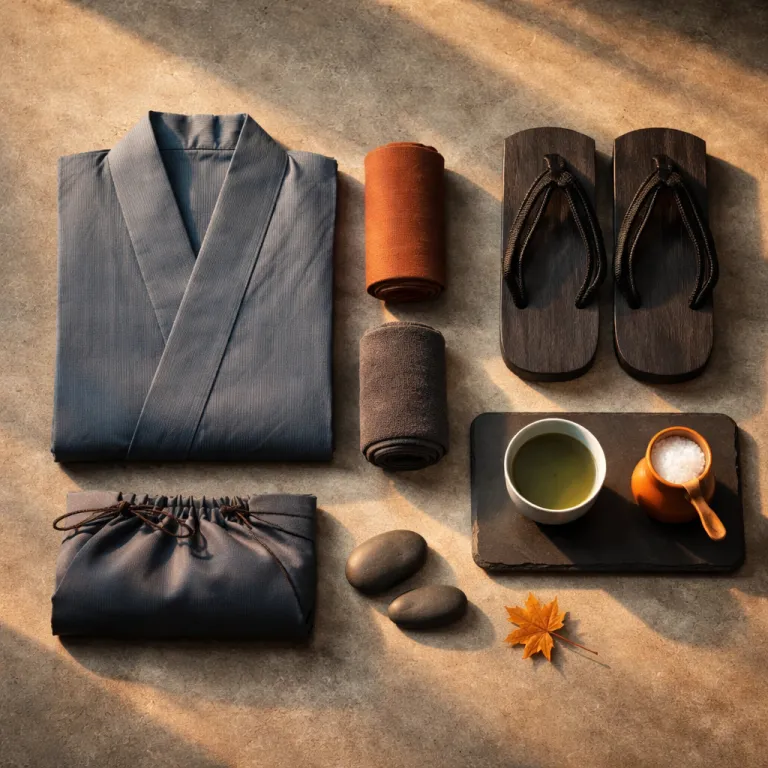
Within Ginzan Onsen itself, walking along the Ginzan river in the evening is part of the experience. Guest rooms often provide yukata and geta sandals, encouraging you to stroll between baths, small cafés, and viewpoints where you will see the gas lamps reflected on the water. The combination of hot baths, cool air, and the sound of the river creates a sensory balance that many people remember long after their stay.
Luxury and premium travelers should also consider practical details that influence comfort, such as tattoo policies, language support, and check in times. Are tattoos allowed in Ginzan Onsen ryokans? Do ryokans in Ginzan Onsen offer private baths? Is English spoken at Ginzan Onsen ryokans? Staff in this part of Yamagata Prefecture often understand basic English, but having your reservation details printed can smooth communication.
Ultimately, the appeal of ryokans in Ginzan Onsen lies in how each night weaves together Japanese style architecture, hot spring rituals, and attentive service. By choosing the right style room, confirming whether a room private bath or open air tub is available, and understanding the price person structure, you can tailor the stay to your preferences. For travelers who value authenticity and calm, this historic spring town offers one of the most atmospheric hot springs experiences in Japan.
Key statistics about ryokans in Ginzan Onsen
- Number of traditional Ginzan Onsen ryokans: approximately 10 properties.
- Average room rate in Ginzan Onsen ryokans: around 30 000 JPY per person per night, including dinner and breakfast.
- Typical stay pattern: one night with kaiseki dinner and Japanese style breakfast.
Essential questions about staying in Ginzan Onsen ryokans
Are tattoos allowed in Ginzan Onsen ryokans?
Some ryokans are tattoo friendly; check policies beforehand. Because each property in this onsen town sets its own rules for hot baths and hot springs access, you will need to confirm whether tattoos are accepted in communal baths or only in a private bath or room private onsen.
Do ryokans in Ginzan Onsen offer private baths?
Do ryokans in Ginzan Onsen offer private baths? Many offer private onsen baths; confirm during booking. Options range from guest rooms with a small indoor private hot spring tub to suites where open air baths and rooms face the Ginzan river, so people seeking privacy can still enjoy the full hot springs experience.
Is English spoken at Ginzan Onsen ryokans?
Is English spoken at Ginzan Onsen ryokans? English proficiency varies; basic phrases are commonly understood. Staff in Yamagata Prefecture ryokans are accustomed to international guests, but having your reservation details, dinner preferences, and arrival time written clearly will help ensure a smooth night in this historic spring town.
References: Japan National Tourism Organization (JNTO), Yamagata Prefecture Tourism Office, Obanazawa City official tourism information.