Redefining luxury: eco friendly hotels in Japan’s urban and natural landscapes
Japan’s luxury eco friendly hotels are transforming the hospitality landscape by blending refined comfort with a deep commitment to sustainability. In Tokyo, renowned establishments such as the Imperial Hotel, Tokyo and Palace Hotel Tokyo have pioneered eco friendly initiatives that set new standards for responsible travel. These hotels utilize CO2-free electricity, reduce plastic use, and offer vegan menu options, ensuring that every guest experience aligns with sustainable values. The integration of renewable energy and biophilic design connects guests to nature, even in the heart of the city. As travelers seek guilt free stays, the demand for luxury eco friendly hotels in Japan continues to rise, reflecting a broader shift toward environmentally friendly travel experiences.
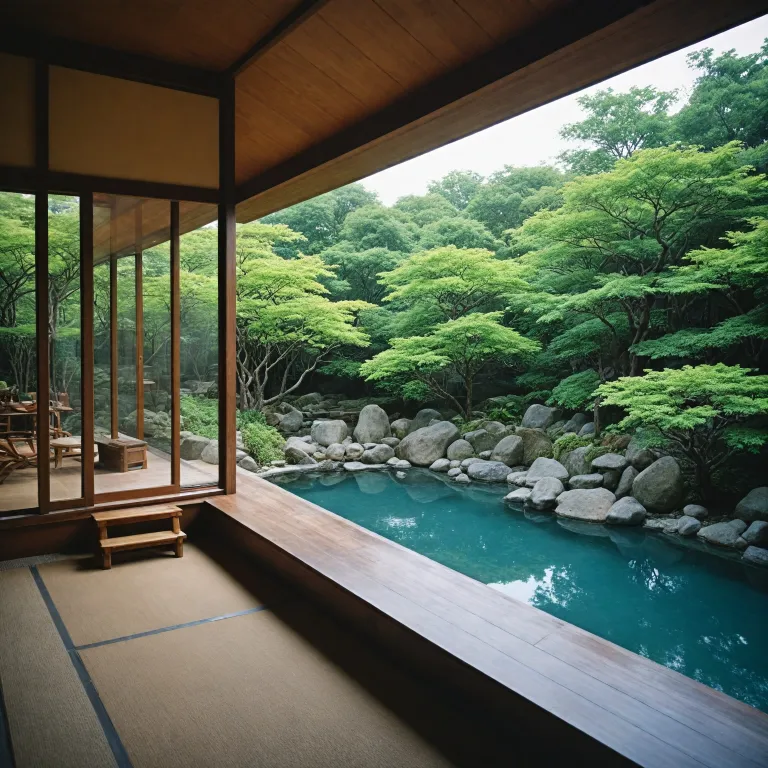
Incorporating traditional Japanese hospitality, these hotels offer more than just accommodation—they provide immersive experiences rooted in local culture and nature. Guests can enjoy natural spring water, explore Japanese gardens, and participate in sustainable travel activities that highlight the country’s natural beauty. The emphasis on supporting local communities and sourcing regional ingredients further enhances the authenticity of each stay. As a result, luxury eco friendly hotels in Japan are not only reducing their environmental impact but also enriching the travel experience for discerning visitors.
Tokyo’s sustainable luxury: innovation and tradition in harmony
Tokyo stands at the forefront of sustainable luxury, with hotels like Hotel Chinzanso Tokyo and Hoshinoya Tokyo leading the way. These properties have expanded carbon offset programs and introduced eco friendly amenities that cater to environmentally conscious travelers. The fusion of modern innovation and traditional Japanese ryokan hospitality creates a unique atmosphere where guests can unwind in natural hot springs and enjoy the tranquility of Japanese gardens. By utilizing renewable energy sources and implementing water recycling technology, these hotels minimize their environmental impact while maintaining the highest standards of comfort.
For travelers seeking authentic experiences Japan offers, Tokyo’s luxury eco friendly hotels provide curated activities that celebrate local culture and nature. From guided tours of historic districts to workshops with local artisans, guests are encouraged to engage with the community and support sustainable tourism. The commitment to sustainable travel is evident in every detail, from biodegradable toiletries to organic gardens that supply fresh ingredients for traditional Japanese cuisine. For more insights into sustainable travel options in Tokyo, visit eco friendly hotels in Tokyo for a curated selection of environmentally friendly accommodations.
Nature-inspired escapes: treehouse and resort experiences in Japan
Beyond the city, Japan’s natural landscapes offer a wealth of eco friendly luxury experiences. WEAZER Nishi-Izu, an off-grid accommodation powered entirely by natural energy, exemplifies the harmony between comfort and environmental stewardship. Guests can immerse themselves in panoramic views of Suruga Bay while enjoying the peace of a sustainable resort designed to minimize environmental impact. Treeful Treehouse in Okinawa provides another exceptional example, offering treehouse sustainable stays that connect visitors with the surrounding forest and promote guilt free travel.
These unique properties highlight the importance of integrating nature into the luxury travel experience. By utilizing solar power systems and geothermal heating, they ensure that every aspect of the stay is environmentally friendly. The focus on local materials and traditional Japanese design elements creates a sense of place that is both authentic and sustainable. For travelers interested in exploring more nature-inspired accommodations, treehouse hotels in Japan showcase the best of eco friendly innovation and natural beauty.
Kyoto, Nagano, and Okinawa: regional gems of sustainable hospitality
Kyoto, Nagano, and Okinawa are home to some of Japan’s most celebrated luxury eco friendly hotels. In Kyoto, properties emphasize the preservation of natural beauty and the promotion of traditional Japanese culture. Guests can participate in tea ceremonies, stroll through historic gardens, and relax in onsen fed by natural spring water. Nagano’s mountain resorts offer access to pristine forests and hot springs, providing a tranquil setting for sustainable travel and wellness experiences.
Okinawa’s Treeful Treehouse and other eco friendly resorts highlight the region’s commitment to renewable energy and environmental conservation. These hotels work closely with local communities to source food and crafts, supporting the regional economy and promoting Japan local experiences. The emphasis on environmentally friendly practices ensures that guests can enjoy the natural beauty of each destination while minimizing their environmental impact.
Traditional Japanese ryokan and onsen: sustainable luxury reimagined
The traditional Japanese ryokan and onsen experience has been reimagined for the eco conscious traveler. Properties like Hoshinoya Tokyo blend classic hospitality with modern sustainability, offering guests the chance to relax in natural hot springs while supporting environmentally friendly initiatives. The use of spring water, organic materials, and energy efficient systems ensures that every aspect of the stay is both luxurious and guilt free.
Japanese ryokan often feature locally sourced cuisine, tatami-matted rooms, and serene gardens that reflect the natural beauty of the region. By prioritizing sustainable resort practices and collaborating with local artisans, these hotels create meaningful connections between guests and the surrounding environment. The result is a travel Japan experience that honors tradition while embracing innovation, making it possible to enjoy the best of both worlds. As one expert notes, "You can support eco-friendly initiatives by participating in the hotels' sustainability programs, conserving resources, reducing waste, and engaging in eco-friendly activities offered by the hotels."
Responsible travel and the future of luxury eco friendly hotels in Japan
The future of luxury eco friendly hotels in Japan is defined by a commitment to responsible travel and continuous innovation. Hotels are increasingly adopting renewable energy, reducing waste, and offering experiences that celebrate Japan natural landscapes and cultural heritage. The integration of environmental impact assessments and sustainability certifications ensures transparency and accountability, building trust with discerning travelers.
As the demand for sustainable travel grows, luxury hotels are expanding their offerings to include guilt free wellness programs, eco friendly excursions, and educational workshops. Guests are encouraged to be mindful of their own environmental impact, making choices that support the long term health of the planet. By choosing environmentally friendly accommodations and participating in local initiatives, travelers can contribute to the preservation of Japan’s unique natural and cultural treasures for future generations.
Key statistics on luxury eco friendly hotels in Japan
- Imperial Hotel, Tokyo's CO2-free electricity implementation: 100%
- WEAZER Nishi-Izu's reliance on natural energy: 100%
- Palace Hotel Tokyo's introduction of 'Sustainable Tokyo' package: 1 package
Frequently asked questions about luxury eco friendly hotels in Japan
What are some luxury eco-friendly hotels in Japan?
Some luxury eco-friendly hotels in Japan include the Imperial Hotel, Tokyo; WEAZER Nishi-Izu; Palace Hotel Tokyo; Hotel Chinzanso Tokyo; and Hoshinoya Tokyo.
What sustainable practices are implemented by these hotels?
These hotels implement practices such as reducing plastic use, utilizing renewable energy sources, offering vegan menu options, and incorporating biophilic design elements.
How can I support eco-friendly initiatives during my stay?
You can support eco-friendly initiatives by participating in the hotels' sustainability programs, conserving resources, reducing waste, and engaging in eco-friendly activities offered by the hotels.