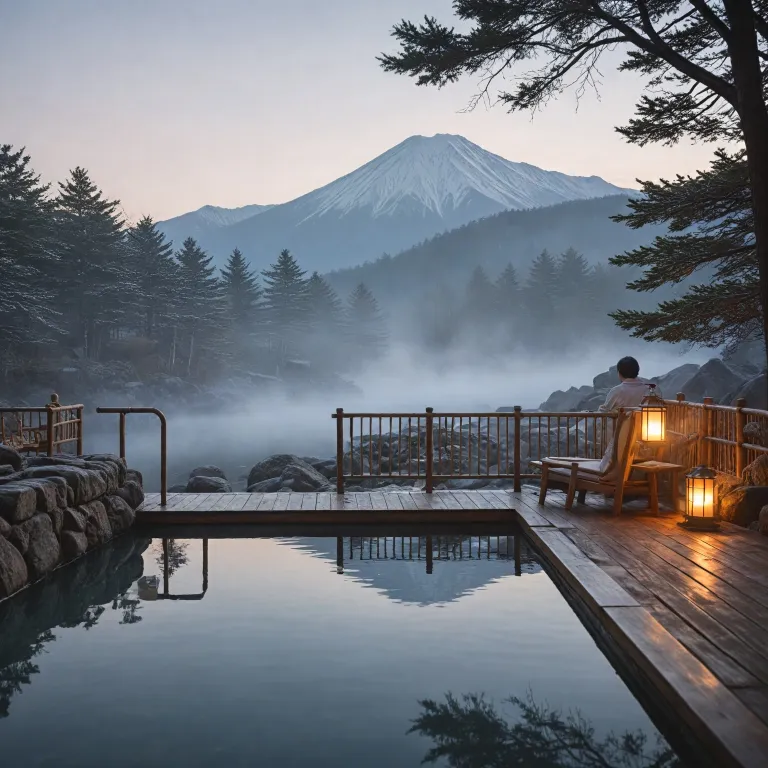
Hokkaido onsen journeys for luxury focused travelers
Hokkaido onsen travel appeals to guests who value space, silence, and refined service. In this northern region of Japan, onsen and hot springs are framed by forests, volcanic landscapes, and snow that enhance every moment. For luxury and premium hotel booking, the challenge is choosing between coastal retreats, mountain ryokan, and urban sanctuaries in Sapporo or Hakodate.
Hokkaido Prefecture and the Japan National Tourism Organization act as reliable reference points for planning, especially when comparing different springs and onsens Hokkaido wide. Their information helps travelers understand how mineral rich baths, open air pools, and private suites vary between lake resorts and city hotels. This context is essential when selecting a ryokan with in room hot spring baths versus a full scale resort with multiple pools and wellness facilities.
One key subject for discerning guests is how to balance access and seclusion, particularly around famous areas such as Noboribetsu and Lake Toya. Many visitors want a short minutes bus ride from a station, yet still expect quiet surroundings and curated dining. Understanding the geography of Hokkaido, from Sapporo station to remote valleys, allows travelers to judge whether a three hours transfer is worthwhile for a more exclusive onsen experience.
Travelers also increasingly look for multilingual staff, flexible check in, and seamless transfers from airport to hotel. Luxury platforms now highlight transfer times in hour minutes or hours minutes, detailing connections from New Chitose Airport or Hakodate Airport to each hot spring resort. This level of precision builds trust and helps guests feel confident when committing to high value reservations.
Noboribetsu onsen and the art of curated access
Noboribetsu onsen is one of Hokkaido’s most renowned hot spring destinations, attracting millions who seek powerful waters and dramatic scenery. The area’s hell valley, with its steaming vents and sulfurous clouds, creates a theatrical backdrop for both traditional ryokan and contemporary luxury hotels. For premium booking platforms, presenting this landscape alongside room details and spa menus is crucial to conveying the full experience.
From Sapporo station, travelers typically combine a limited express train with a minutes bus transfer from Noboribetsu station, reaching their onsen in roughly an hour minutes to two hours minutes. Clear guidance about each bus ride, including seasonal schedules and luggage space, reassures international guests who may be new to Japan’s rail system. When platforms specify approximate three hours journeys from Chitose Airport or Hakodate, expectations remain realistic and stress is reduced.
Within Noboribetsu, properties such as Dai Ichi Takimotokan, often written as Ichi Takimotokan or Dai Ichi, are known for extensive baths and varied springs. Guests can move between indoor pools, outdoor open air baths, and dedicated family areas, sampling different hot springs without leaving the building. For luxury travelers, the ability to reserve private hot spring suites or time slots is often as important as room size or dining options.
High end booking sites now integrate detailed spa descriptions, outlining which baths use which spring sources and how temperatures feel on the skin. They also highlight whether onsen Noboribetsu properties offer day use plans, late check out, or exclusive lounges for premium room categories. This level of curation aligns with travelers who compare Noboribetsu onsen stays to Michelin level dining or art focused city hotels elsewhere in Japan, often using specialized guides to exceptional stays and dining such as Japan’s finest luxury hotels with Michelin starred restaurants.
Lake Toya, Sapporo, and the balance between nature and convenience
Lake Toya offers a softer, more contemplative side of Hokkaido onsen travel, with calm waters and distant volcanic silhouettes. Many lakeside ryokan and hotels feature open air baths that frame the lake like a living painting, especially striking when steam rises from a hot spring pool into crisp morning air. For premium booking, photographs and room descriptions must capture how close each property sits to the lake and how private the baths feel.
Access from Sapporo station or Chitose Airport usually involves a limited express train followed by a minutes bus or taxi, often totaling around two hours minutes. Platforms that clearly state these hour minutes estimates, and whether a direct bus ride is available, help guests decide between Lake Toya, Noboribetsu, or onsen Sapporo options. Urban travelers may prefer Sapporo’s hotels with onsen style baths, trading lakeside quiet for immediate access to dining, shopping, and cultural venues.
Onsen Sapporo properties, including luxury towers with rooftop pools and hot springs inspired facilities, appeal to guests who want spa rituals without leaving the city. These hotels often combine Western style rooms with Japanese baths, allowing first time visitors to Japan to ease into onsen etiquette. For travelers comparing city stays, resources about serene ryokan elegance with private onsen, such as Hakone Kyuan, can provide useful benchmarks.
Lake Toya and Sapporo also illustrate how luxury platforms can segment their offerings by mood rather than only by price. Some guests prioritize direct lake access and quiet springs, while others value proximity to a station or airport above all. By presenting onsen, hot springs, and pools within this emotional framework, booking sites help travelers articulate what kind of Hokkaido onsen experience truly suits them.
Hakodate, regional routes, and the importance of precise logistics
Hakodate extends the Hokkaido onsen map southward, combining historic streets, a famous night view, and access to coastal hot springs. While not as concentrated as Noboribetsu onsen, the region offers smaller ryokan and hotels where baths overlook the sea or wooded hillsides. For premium travelers, the appeal lies in pairing refined dining with quieter springs and fewer crowds.
Reaching Hakodate from Sapporo or Chitose Airport usually involves a limited express train or domestic flight, followed by a minutes bus or taxi to each property. Booking platforms that present these journeys in clear hour minutes or hours minutes segments, including any three hours stretches, help guests plan realistic arrival times. This is especially important for those coordinating late night flights into Hakodate Airport with last check in times at remote ryokan.
Within Hakodate’s surroundings, some onsen and hot springs are integrated into full service resorts, while others remain intimate, family run ryokan. Luxury focused sites can differentiate by highlighting room counts, staff to guest ratios, and the number of baths or pools fed by natural springs. They can also clarify whether each hot spring facility offers open air baths, private rental tubs, or only shared indoor pools.
For international travelers, a well structured guide that explains local transport, from minutes bus links to regional rail passes, is as valuable as glossy photography. Many guests appreciate step by step directions from station to lobby, especially when signage may be limited in English. By treating logistics as part of the overall experience, platforms reinforce trust and reduce anxiety around navigating Japan’s extensive network.
Designing luxury booking journeys for Hokkaido onsen stays
Luxury and premium hotel booking websites in Japan face a nuanced challenge when presenting Hokkaido onsen stays. They must translate sensory experiences, such as the feel of hot mineral water or the silence of an open air bath, into precise yet evocative language. At the same time, they need to provide concrete details about springs, pools, and room categories that support confident decisions.
One effective approach is to structure content around complete journeys, from airport arrival to first immersion in a hot spring. For example, a guide might outline how a traveler lands at Chitose Airport, boards a limited express train to Sapporo station, then transfers to a minutes bus toward Noboribetsu station. By specifying approximate hour minutes segments and any three hours stretches, the platform shows respect for the guest’s time and planning needs.
Another key element is transparent comparison between regions such as Noboribetsu, Lake Toya, Hakodate, and onsen Sapporo. High quality sites can present onsens Hokkaido wide on a single map, linking each area to curated hotel and ryokan selections. Cross references to other premium destinations, such as Kanazawa’s refined stays described in this premium hotels and ryokans guide, help travelers understand how Hokkaido compares within Japan.
Finally, platforms should integrate wellness information, explaining how different springs support relaxation, skin health, or recovery from fatigue. “Hokkaido's onsen offer various health benefits, including improved circulation, skin health, and relaxation, due to their mineral-rich waters.” By combining this verified insight with clear etiquette guidance and multilingual support, booking sites position themselves as trusted partners rather than mere intermediaries.
Personalization, etiquette, and family friendly Hokkaido onsen stays
Personalization has become central to luxury Hokkaido onsen travel, especially for families and multi generational groups. Many guests now expect booking platforms to filter properties by private baths, family rooms, and flexible dining times. “Yes, many onsen in Hokkaido offer family-friendly facilities, including private baths and mixed-gender baths suitable for all ages.”
For couples or solo travelers, the priority may be adults only floors, quiet zones, or suites with in room hot spring baths. Booking sites can highlight which ryokan or hotels offer private open air pools, and whether these use the same springs as the main communal baths. Clear descriptions of water temperature, mineral content, and views help guests match each onsen experience to their personal preferences.
Etiquette guidance is another area where expert information builds confidence and trust. Platforms should explain that guests wash thoroughly before entering baths, avoid swimsuits in traditional onsen, and respect rules about photography. “While some onsen accept walk-in visitors, it's advisable to make reservations, especially during peak tourist seasons, to ensure availability.”
For international visitors new to Japan, step by step etiquette guides, short videos, and multilingual signage can transform anxiety into anticipation. When combined with accurate transport details, such as minutes bus connections or hours minutes rail journeys, these resources make even remote onsens Hokkaido wide feel accessible. In turn, guests are more likely to explore beyond Sapporo and experience lesser known springs that still offer world class comfort.
Key statistics for Hokkaido onsen travel
- Hokkaido currently offers around 251 distinct onsen areas, giving travelers an exceptional variety of springs and settings to choose from.
- Noboribetsu onsen welcomes approximately 3 000 000 visitors annually, underlining its status as one of Japan’s most popular hot spring destinations.
Essential questions about planning a Hokkaido onsen stay
What are the health benefits of Hokkaido's onsen?
Hokkaido’s hot springs contain diverse minerals that can support circulation, ease muscle tension, and promote relaxation after long travel days. Many guests also report improvements in skin condition, especially when bathing regularly in mildly acidic or sulfur rich waters. Resorts often provide information about each spring’s composition, allowing visitors to choose baths that align with their wellness goals.
Are there onsen suitable for families in Hokkaido?
Families will find many Hokkaido onsen properties that offer private baths, larger rooms, and flexible meal plans. Some resorts provide mixed gender family baths or time slots, allowing parents and children to bathe together in a comfortable environment. When booking, it is helpful to check whether facilities offer baby amenities, shallow pools, and relaxed dress codes in certain areas.
Do I need to make reservations to visit an onsen in Hokkaido?
Reservations are strongly recommended for luxury and premium ryokan, especially during weekends, holidays, and winter snow seasons. While some day use baths accept walk in guests, capacity can be limited, and private hot spring facilities often require advance booking. Online platforms usually indicate availability in real time, helping travelers secure preferred room types and bathing options before arrival.