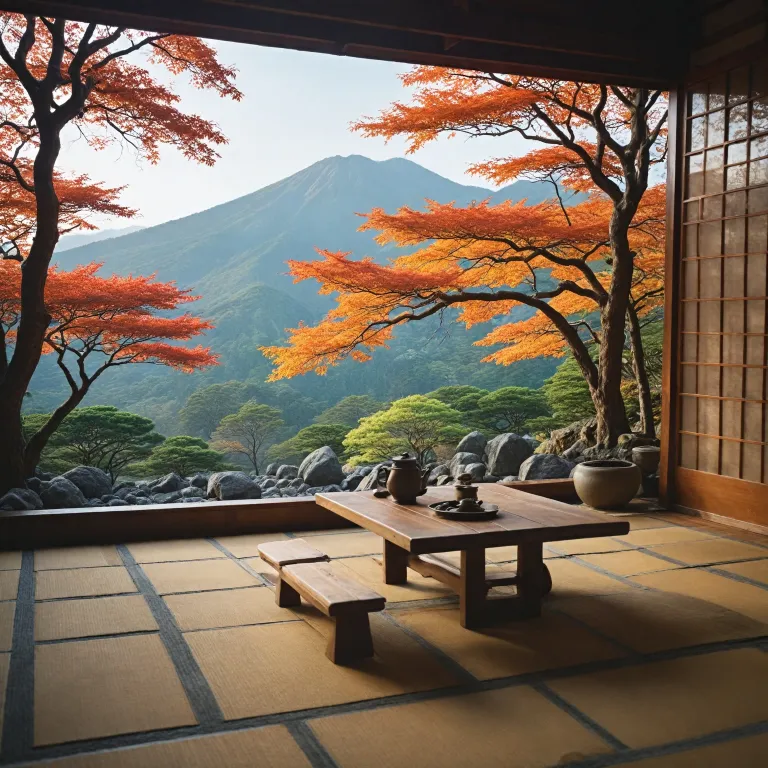
Gora Satori: where folklore meets refined Hakone hospitality
Gora Satori evokes a serene mountain retreat in Hakone, framed by forested slopes and open skies. In this refined setting, every gora satori stay feels shaped by the landscape, from the mineral rich onsen waters to the quiet residential streets. Guests arrive seeking a strong sense of place, and the property responds with attentive service and a calm, understated aesthetic.
The name subtly recalls the satori of Japanese folklore, mind reading yōkai said to dwell in remote mountains. While today’s travellers meet only gracious staff rather than supernatural creatures, the link to satori folklore underlines how closely gora is tied to nature and introspection. For many guests, this blend of cultural depth and modern comfort creates a true feeling of retreat from the city.
Rooms at gora satori are designed to frame the view rather than overwhelm it with decoration. Large windows open toward the valley or garden, and at night the silence feels almost otherworldly, as if the mountains themselves could read your thoughts like a wandering Satori. The main content of each stay becomes simple pleasures ; a private bath, a seasonal kaiseki dinner, and unhurried time with those who matter.
Behind the scenes, a dedicated team coordinates arrivals, dietary notes, and activity requests with quiet efficiency. Their work ensures that every user of the booking website can move from online research to check in without friction. For international guests arriving from the USA or other regions, this strong operational base helps them continue their journey through Japan with confidence and ease.
Understanding gora Satori within Japan’s luxury booking landscape
Within Japan’s competitive luxury and premium hotel booking market, gora satori stands out through its focus on narrative and place. Many platforms list properties by star rating and room size, but here the emphasis rests on how each stay feels in the context of Hakone’s mountains. This approach aligns with travellers who value meaningful content over simple price comparisons.
When a user explores gora satori online, they encounter detailed posts about room categories, onsen etiquette, and nearby art museums. These posts help clarify what makes the property great for slow travel, especially for guests planning multi night itineraries across the country. By presenting clear information, the website reduces uncertainty that often didn’t appear in older, brochure based booking channels.
For travellers comparing several high end properties, it is useful to read about other famous luxury hotels in Japan through an elegant journey through exceptional hospitality. This broader context allows guests to add gora satori to a wider route that may include Kyoto, Kanazawa, or Tokyo. In this way, the property becomes one refined chapter in a longer story of Japanese hospitality.
Folklore also plays a subtle role in shaping expectations, especially for culturally curious visitors. “Satori are mind-reading, monkey-like yōkai said to dwell in the mountains of Hida and Mino provinces in Japan.” This quote reminds guests that mountain regions have long been associated with introspection, mystery, and encounters beyond the everyday.
From online user journey to arrival at gora Satori
The digital path to a gora satori reservation begins with a carefully structured homepage and clear navigation. Prominent links allow visitors to skip main promotional banners and move directly to the main content that matters most. Room descriptions, rate calendars, and onsen guidelines appear in a logical sequence, reducing friction for first time visitors.
Each user journey is designed to feel intuitive, whether the guest is browsing from the USA, Europe, or within the country. Concise posts explain how to reach gora by train, how luggage forwarding works, and what to expect at check in. This practical content supports informed decisions, especially for travellers who didn’t grow up with Japan’s rail network or ryokan style customs.
To create a strong sense of reassurance, the booking pages highlight flexible policies and clear contact options. Guests can add special requests for dietary needs, mobility considerations, or anniversary surprises directly within the reservation form. Behind these forms, the on site team reviews each note and coordinates internal work so that the stay feels tailored rather than generic.
For travellers planning a wider itinerary, internal guides link to regional inspiration such as where to stay in Kanazawa for an elegant and memorable stay through this refined Kanazawa accommodation guide. By presenting gora satori alongside other destinations, the platform helps guests continue their journey with a coherent narrative. The result is a booking experience that feels both efficient and emotionally engaging.
Privacy, user agreement, and trust for gora Satori guests
Trust is central when guests share personal details to secure a gora satori reservation. The website therefore presents its privacy policy in clear language, explaining how data is stored, processed, and protected. Rather than hiding legal text, the platform encourages guests to read the agreement privacy section before confirming their stay.
When a user creates an account, they are asked to review a concise user agreement that outlines rights and responsibilities. This user agreement covers payment terms, cancellation rules, and how communication will continue before and after the stay. By clarifying expectations early, the property reduces misunderstandings that might otherwise affect the guest experience.
The privacy policy also explains how cookies and analytics tools work in relation to browsing behaviour. Guests can choose whether to add optional tracking that helps the team refine content and improve navigation. This respect for privacy aligns with international standards, reassuring visitors from the USA and other regions who are accustomed to strict data regulations.
Within the hotel, operational practices mirror the online commitment to confidentiality and care. Staff training emphasises that room preferences, dietary notes, and special occasions are treated as true confidential information. In this way, the agreement privacy framework is not just a legal requirement but a strong cultural value that shapes everyday work at gora satori.
Experiencing gora Satori: rooms, onsen, and mountain atmosphere
Once guests arrive, the physical experience of gora satori reflects the promises made online. Rooms balance contemporary comfort with traditional touches, often featuring tatami areas, low seating, and carefully framed views. The surrounding mountains create a shifting play of light, giving each view a slightly different character throughout the day.
Onsen facilities are a central part of the stay, with indoor and open air baths fed by Hakone’s volcanic springs. Clear signage and in room content explain bathing etiquette, helping international guests who didn’t grow up with communal bathing feel at ease. For many, the first evening soak becomes the main content of their memories, a quiet moment where time seems to slow.
Subtle references to satori folklore may appear in art, literature selections, or seasonal storytelling events. “Satori are said to read a person's mind and speak their thoughts aloud faster than the person can.” This evocative line resonates with the introspective mood of the mountains, even as the hotel itself remains firmly grounded in modern comfort.
The service style is attentive yet unobtrusive, allowing guests to continue their own rhythm. A multilingual team coordinates restaurant reservations, museum tickets, and luggage transfers with strong efficiency. Whether a user arrives from another part of the country or directly from the USA, the experience feels carefully orchestrated yet pleasantly relaxed.
Integrating gora Satori into a wider Japanese itinerary
For many travellers, gora satori is one highlight within a longer journey across Japan. Its location in Hakone makes it an ideal pause between the intensity of Tokyo and the cultural depth of Kyoto or Kanazawa. The property’s posts and planning tools help guests create balanced itineraries that respect travel times and seasonal conditions.
When planning, a user can review suggested routes that link gora with art islands, alpine regions, or coastal towns. These posts emphasise realistic train connections, luggage services, and the best timing for onsen stays in relation to other activities. By presenting this content clearly, the platform supports both first time visitors and repeat guests who didn’t previously explore the region in depth.
International travellers from the USA often appreciate guidance on etiquette, tipping norms, and language basics. The website’s main content therefore includes concise cultural notes that add context without overwhelming the reader. This educational work by the team strengthens confidence and encourages guests to continue exploring less familiar areas of the country.
Folklore remains a subtle thread throughout these materials, reminding travellers that mountains have long been places of reflection. “While some accounts suggest they may try to harm humans, others indicate they do not present any danger and coexist with people.” This description of Satori mirrors how modern visitors coexist respectfully with local communities and landscapes while enjoying refined hospitality.
Expert insights on Satori folklore and mountain hospitality
Understanding the cultural background of satori enriches a stay at gora satori, especially for guests interested in Japanese folklore. In traditional tales, these beings appear along remote mountain paths, reading the thoughts of travellers and speaking them aloud. Their presence suggests that the mountains themselves hold a mirror to human intentions and emotions.
“Satori are supernatural creatures in Japanese folklore known for their ability to read human thoughts.” This perspective highlights why mountain regions like Hakone feel naturally suited to introspective retreats and quiet stays. When guests look out from their room’s view at dusk, they often sense a similar stillness, even if they never encounter anything overtly supernatural.
“Satori are said to read a person's mind and speak their thoughts aloud faster than the person can.” In a modern hospitality context, this idea loosely parallels how a skilled team anticipates needs before guests articulate them. From preparing the right pillow type to adjusting dinner pacing, such intuitive work creates a strong impression of care at gora satori.
“Understanding Satori contributes to a broader comprehension of Japanese folklore and its supernatural entities.” For travellers, engaging with this folklore through curated content, library selections, or occasional talks adds depth to the stay. It transforms gora from a simple overnight stop into a place where cultural narratives, privacy aware digital design, and refined service continue to shape a memorable mountain experience.
Key statistics on Japanese luxury travel and Hakone stays
- Average length of stay in Hakone luxury properties typically ranges between 1,5 and 2,5 nights per guest.
- International visitors now represent more than one third of guests at many premium onsen resorts across Japan.
- Online direct bookings for high end Japanese hotels have grown significantly compared with traditional agency channels.
Frequently asked questions about gora Satori and Japanese mountain stays
What makes a stay at gora Satori different from other Hakone hotels ?
Gora satori emphasises a calm, narrative driven experience that connects modern comfort with the introspective atmosphere of Hakone’s mountains. Guests find carefully framed views, refined onsen facilities, and service that anticipates needs without feeling intrusive. The property also integrates cultural references to satori folklore, adding depth for travellers interested in Japanese traditions.
How many nights should I plan at gora Satori within a Japan itinerary ?
Most travellers find that two nights at gora satori allow enough time to enjoy the onsen, explore nearby museums, and rest between major city stays. A single night can work within a tight schedule, but it often feels rushed, especially after long rail journeys. Three nights or more suit guests who want to slow their pace and use Hakone as a base for gentle day trips.
Is gora Satori suitable for first time visitors to Japan who do not speak Japanese ?
Yes, gora satori is well suited to first time visitors, with multilingual staff and clear English language content on its booking website. Practical guidance on transport, etiquette, and onsen use helps guests feel comfortable even without prior experience in Japan. Many international travellers, including those from the USA and Europe, choose the property as an accessible introduction to Japanese mountain hospitality.